
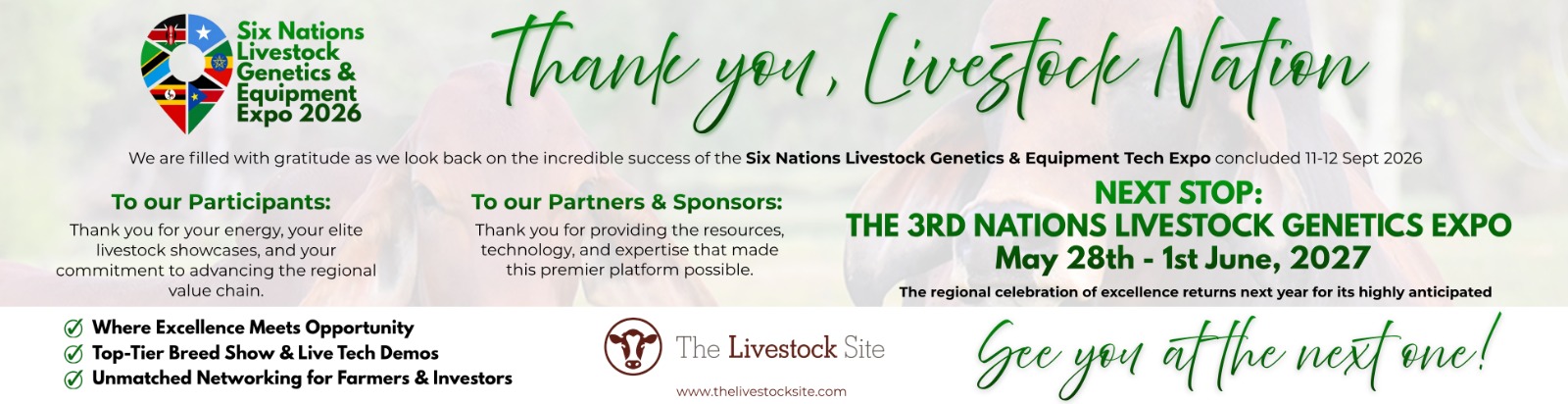
Camel Genetics to feature at the 3rd Six Nations Livestock Genetics Expo
Did you know Camels originated from North America about 50-60 million years ago and they evolved into two main types namely the Bactrian camel (two humps) and the dromedary (one-humped)?
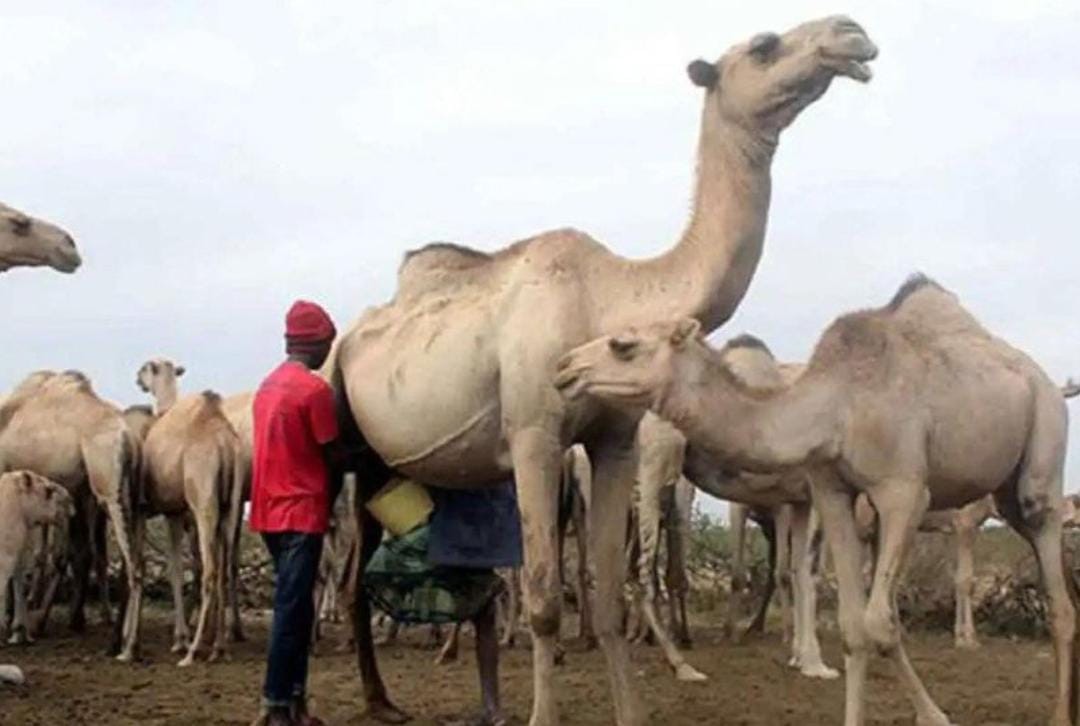
Camels are used for transport, as a beast of burden, and for meat, milk and hides and, in some communities, for its blood.
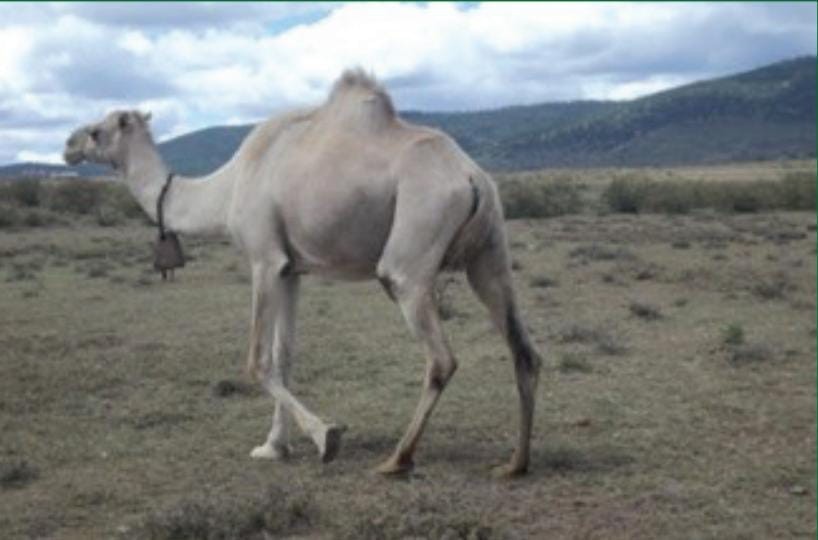
Gabbra camel cow
They can live for 40 years, but the productive lifespan is between 20 and 30 years.
In Kenya, different camel breeds are traditionally named after the ethnic communities who own and
keep them.
These are Somali, Rendille, Gabbra and Turkana breeds. The fifth breed of camel called
Pakistani which was imported from Pakistan into Laikipia ranches in the early 1990s.
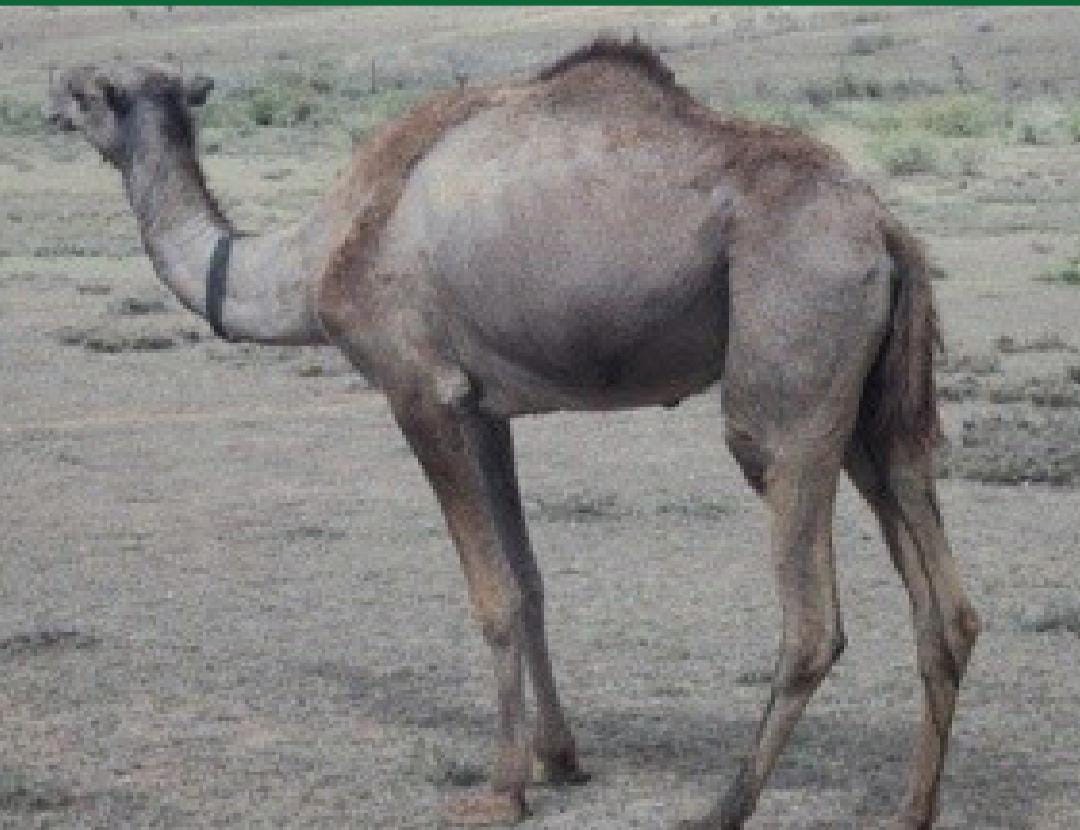
Turkana camel cow
However, there are no pure Pakistan camels but there exists crosses with Somali or Turkana breeds.
Currently, Kenya has 3,222,593 camel population (MOALFI, 2018 NSAP On management of ANGR).
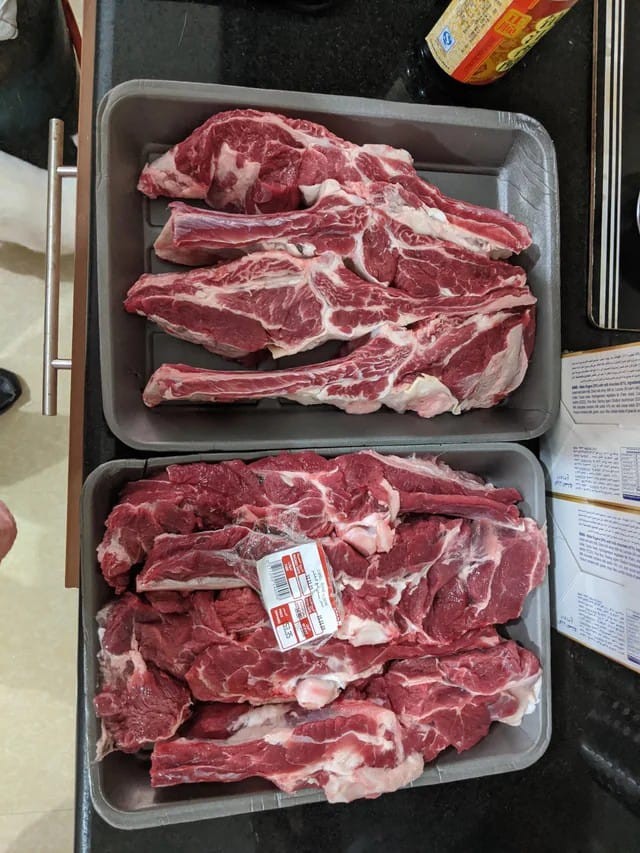
Camel Ribs
Camel is the key contributor to food and nutritional security through milk and meat to human populations in ASALs.
In addition, it contributes to sustainable socio-economic wellbeing through sales of live animals and its products, payment of dowries and acting as economic security.
Among the pastoral community, camels are a symbol of wealth, prestige and honour.
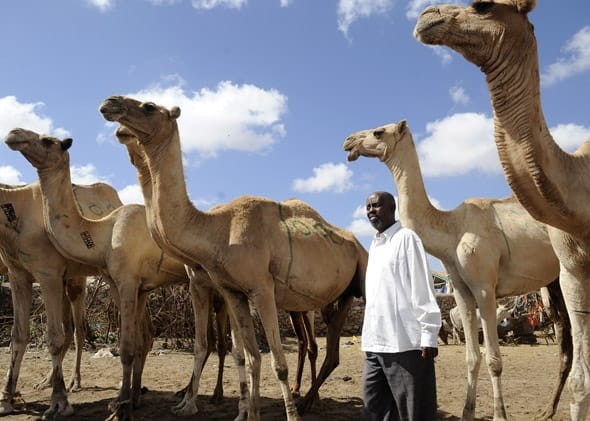
Camel Farmer
Camel meat is a lean red meat that is significantly lower in fat and cholesterol than beef while being rich in protein, iron, zinc, and essential amino acids.
Camel milk trades as White Gold. Every part of the camel has numerous medical benefits according to camel producers.
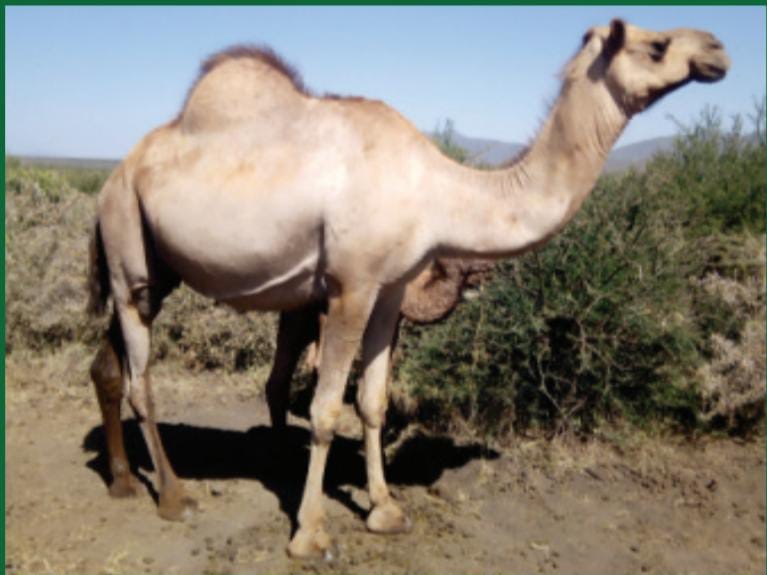
Somali Camel Cow
The most commonly known product is camel milk which is becoming popular in Nairobi.
Camel meat, camel hides and even hooves are reputed to have wide-ranging benefits that have seen demand for the products increase locally and international.
The Kenya Agricultural and Livestock Research Organization (KALRO) reports that Kenya hosts about 28 per cent of the world camel population for that reason camel genetics will feature during the 3rd Six Nations Livestock Expo in 2027 according to the expo Chief Executive Henry Kioko.
"We are in consultation with the camel breeders associations in the region to enlighten Kenyans on the benefits and value of a camel", adds Henry.