
Double the purpose, double the profit — milk and meat in one smart cross
Crossing a high-yielding Saanen dairy goat with a heavy Boer meat goat is a deliberate dual-purpose strategy designed to capture value from both milk and meat production.
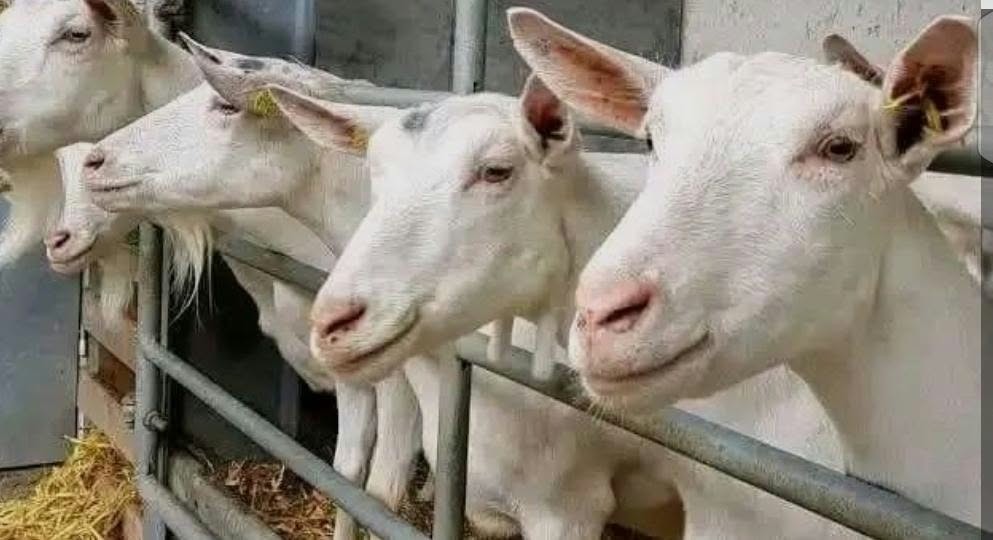
What Happens in the Cross?
The Saanen doe must kid to initiate lactation, meaning every dairy goat produces kids as a natural part of the milk cycle. Pure Saanen kids grow relatively slowly for the meat market (averaging 150–220 grams per day).
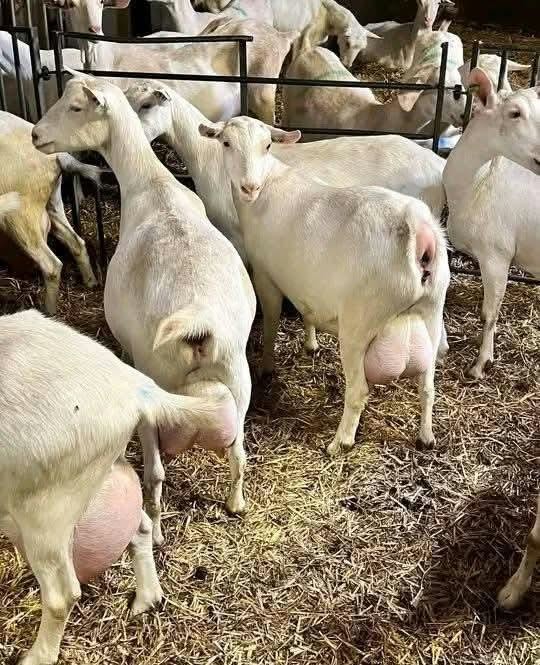
People have been keeping goats for milk for centuries. Goat milk is superior to cow’s milk in certain respects, one of which is that it is easier to digest.
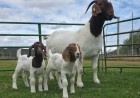
Crossed with a Boer Buck, brings superior meat genetics—thicker bones, heavier heads, and high muscle-to-bone ratio.
The Offspring (F1 Cross) inherit hybrid vigor (heterosis), resulting in faster growth rates (often a 15% to 30% boost in daily weight gain), heavier weaning weights, and higher market value when sold to meat traders compared to pure dairy kids.
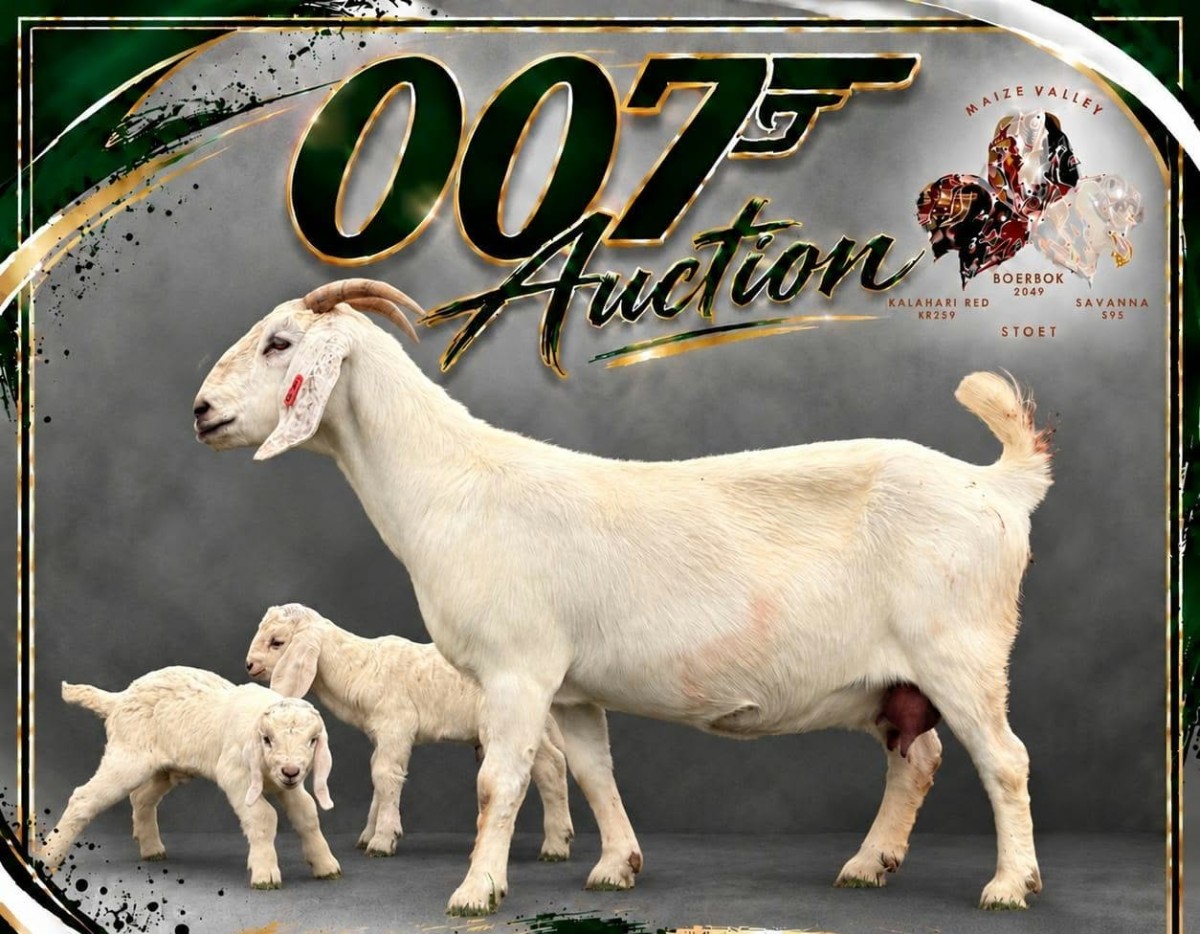
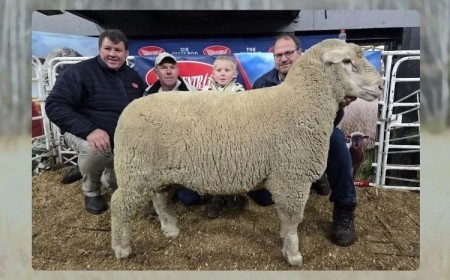
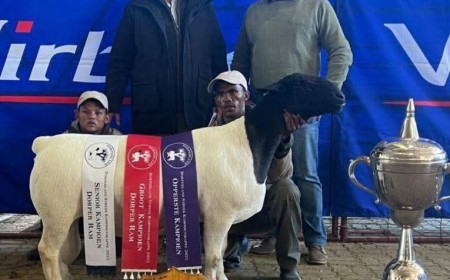
Savannah goat predominantly twinning genetics. Maize Valley Savannah doe for 007 auction in SA.
Is This a Strategic Approach?
Yes, it is a recognized and pragmatic approach, especially for farmers looking to maximize revenue streams from a single herd, provided it is managed carefully.
Monetizing Surplus Kids Dairy does must kid regularly to produce milk. Male kids and non-replacement females from pure dairy lines fetch low prices in meat markets because they are lean and slow-growing. Siring them with a Boer buck transforms low-value dairy kids into marketable meat-type kids.
Protecting Milk Production The mother remains a Saanen (or high-grade dairy doe), meaning her milk production capacity for the family or dairy market is not compromised by the father's meat breed.
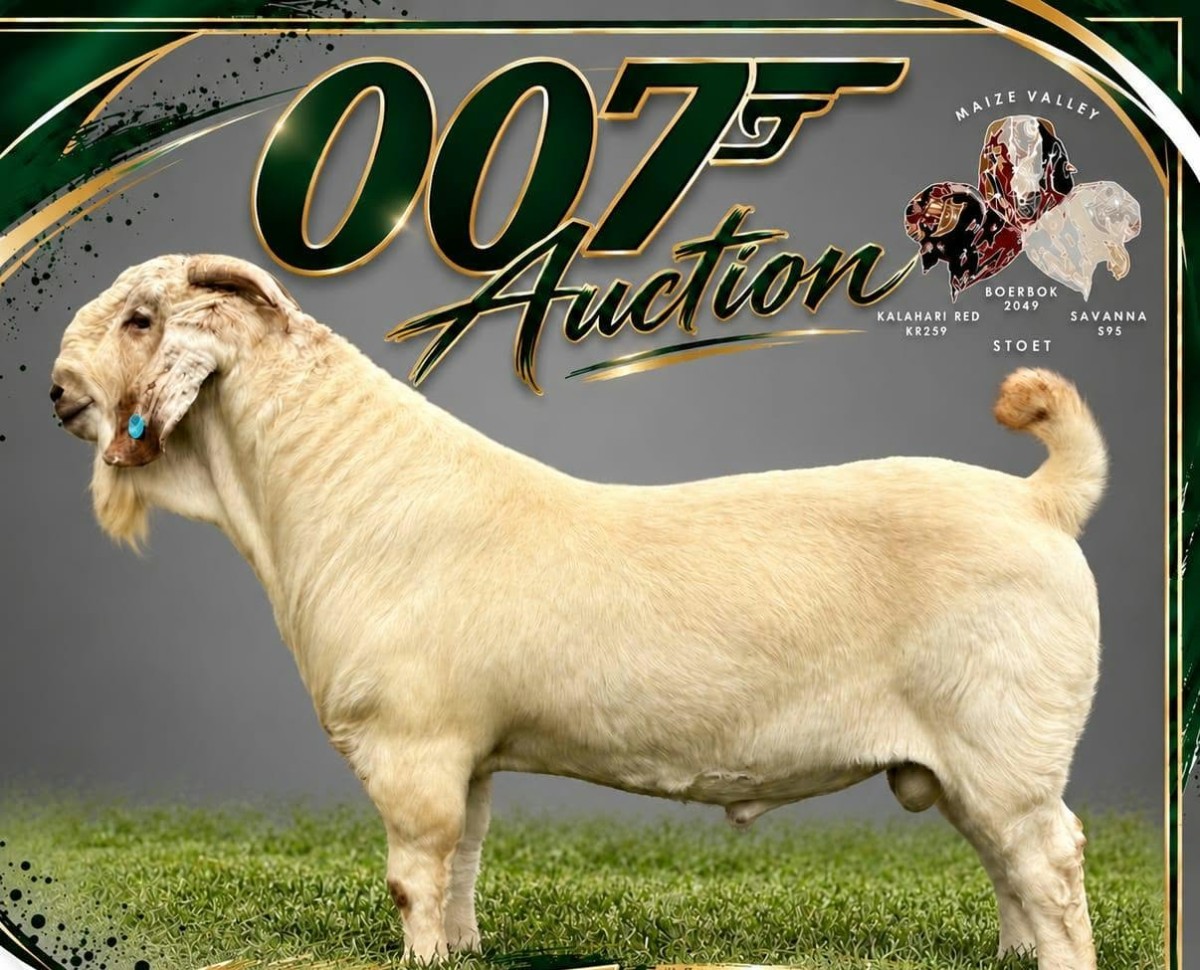
Crossbreeding Savannah×Saanen often results in stronger, healthier, and more adaptable kids than purebred lines under local management conditions.
Key Risks
Never keep crossbred females (F1 does) as replacement milkers and breed them back to meat or mixed lines, subsequent generations will experience a gradual decline in milk yield and udder conformation. They will lose their dairy Purity. That explains why many dairy offered in dairy goat regions record decline in milk production.
Boer bucks produce large kids. Mating a large Boer buck to smaller or first-time Saanen does can occasionally result in heavy birth weights and difficult deliveries (dystocia). Kidding complications can lead to losses.
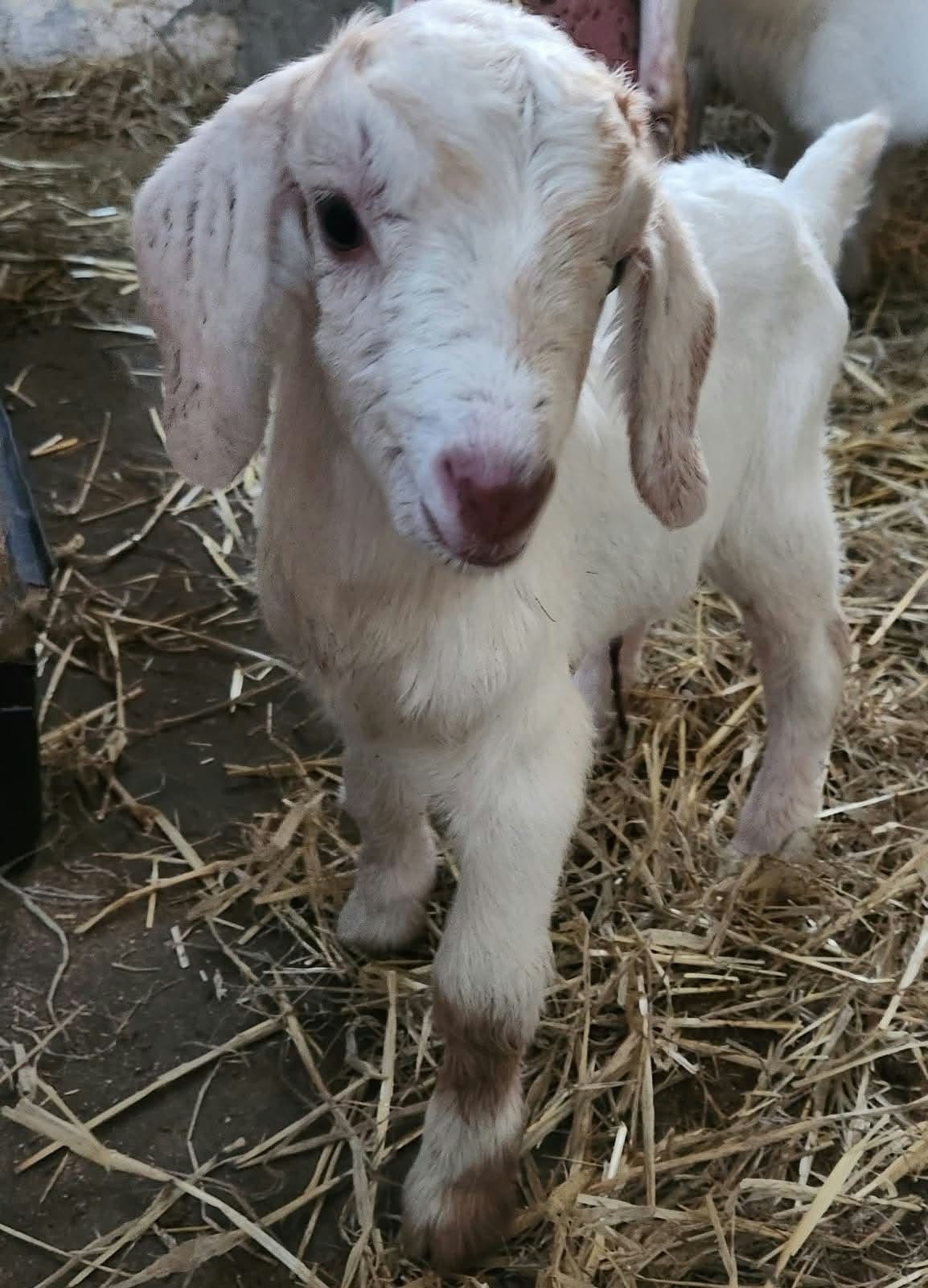
Saanen× Savannah offspring pure white colour, the ears and the backline.
The Best Practice
Many commercial farmers maintain a dedicated core of pure Saanen does for milk—breeding a portion of them (or lower-performing/non-replacement does) to a Boer buck strictly to produce fast-growing market kids, while keeping pure dairy replacements to sustain the milk line.
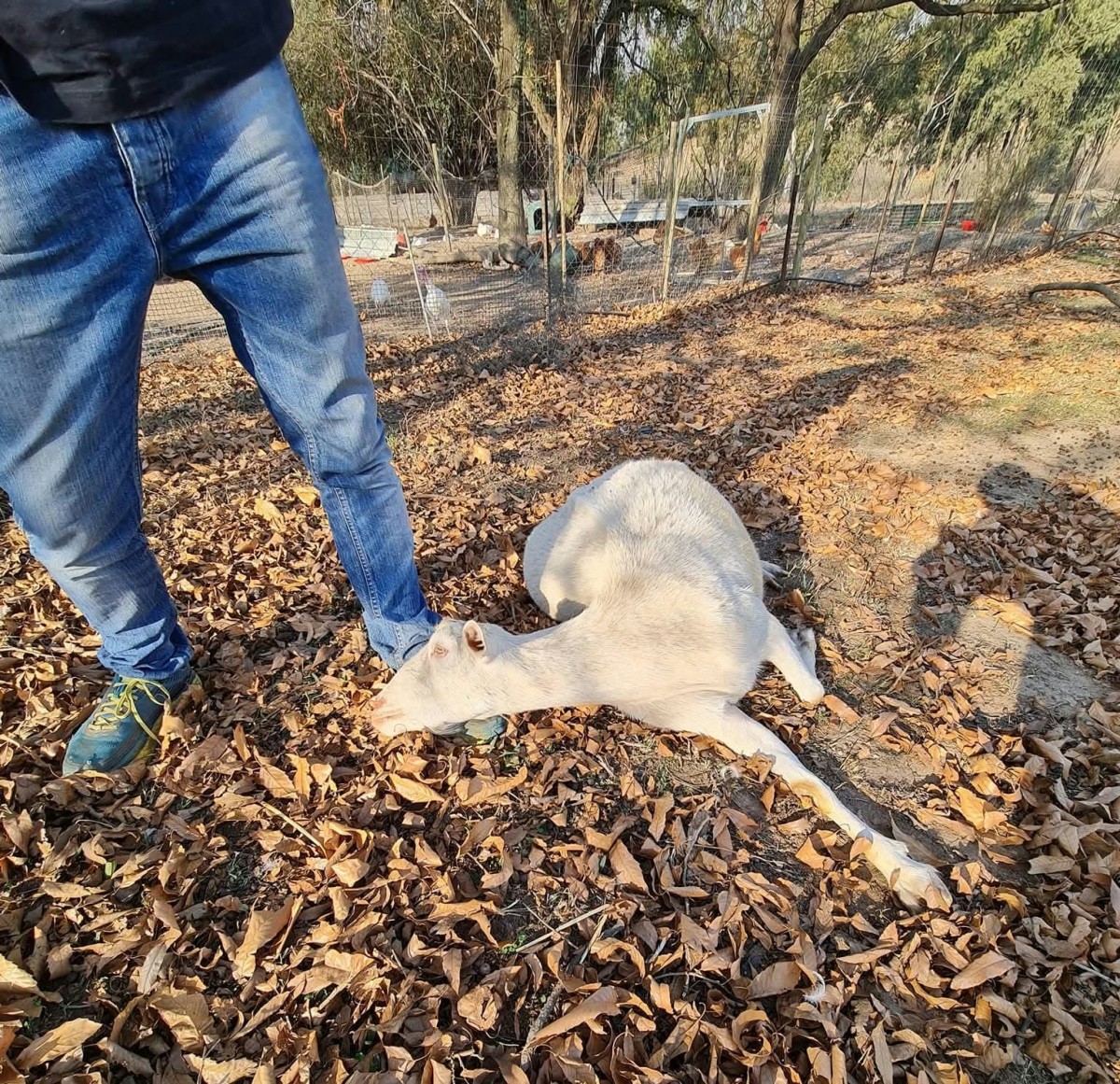
The risks of Saanen mother carrying a meat kid especially the first mothers. Requires support especially hours to delivery.
Which SA Pedigree is best for milk and meat smart production in East Africa?
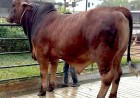
The Boer, Savannah, Kalahari red and the Black berry goat are South Africa pedigree. The boer goat's milk is less but far richer then an Anglo nubian goat.
Of all pedigree meat goats above - the Savannah gives the highest milk yield. Still very rich milk. It will be best to cross an Sanenen with a Savannah as it grows to the same size as a boer and can grow bigger then boers according to Andrew Roberts CEO Maize Valley Savannah Stud Farm.
"Savannah genetics gives more twins", he adds.