

Biosecurity Remains Critical, Directs the DVS
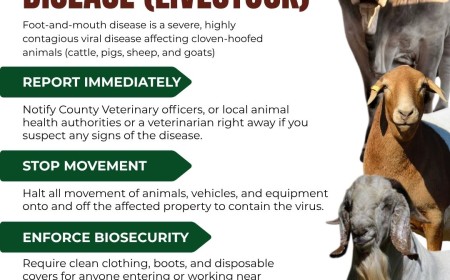
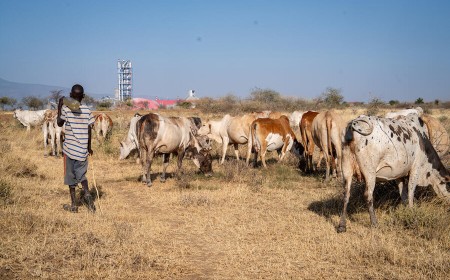
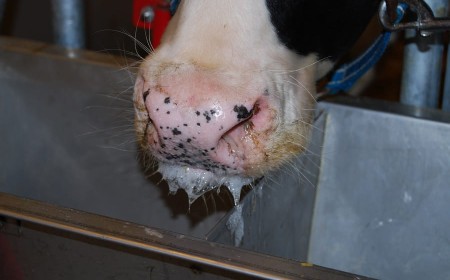
Foot and Mouth Disease (FMD) is a biosecurity concern with major economic impacts for beef production animals worldwide.

The Directorate of Veterinary Services Kenya has called on everyone stay vigilant to the risks of a possible outbreak.
Although FMD does not pose a threat to human health, the disease remains one of the most serious risks to livestock production.
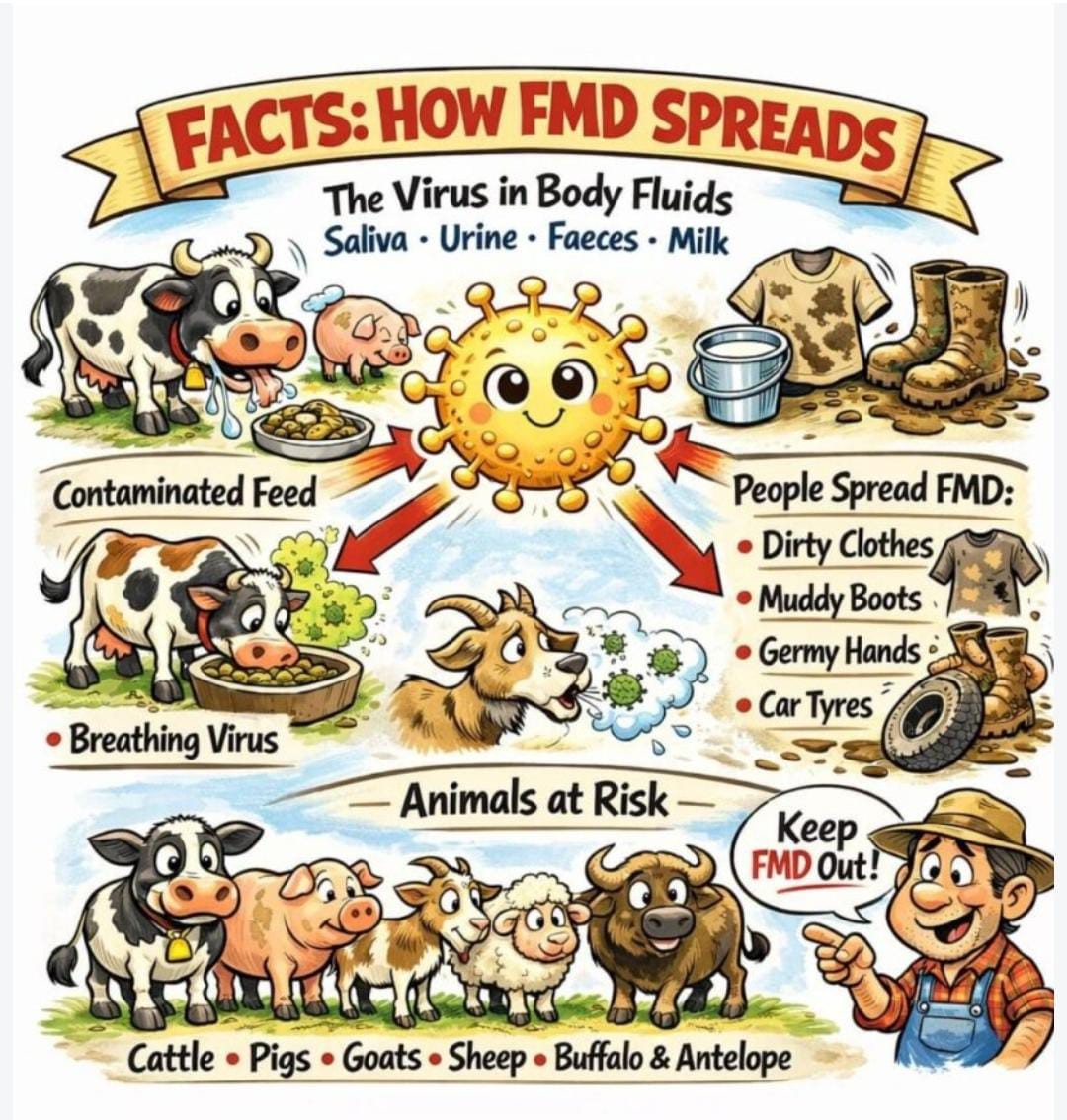
One of the main ways the virus spreads between animals is through human movement.
The virus can be carried on clothing, hands, shoes or equipment after contact with infected animals or contaminated environments.
Farmers, farm workers and visitors are therefore urged to follow strict hygiene and biosecurity measures when moving between farms or handling livestock.
People who have been around infected or affected animals should handle livestock carefully, practise proper hygiene and follow guidance from their local Veterinary Office.
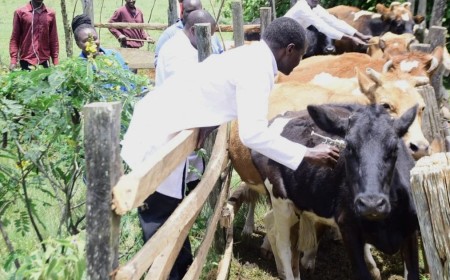
According to the DVS Dr. Allan Azegelle, too prevent foot-and-mouth disease (FMD) in livestock from spreading, the DVS immediately restrict animal movement in affected regions and direct farmers to work with their local vet officers to implement strict biosecurity measures.
Key Biosecurity Principles to Protect Against Foot-and-Mouth Disease (FMD)
The document identifies three key biosecurity principles for reducing the risk of Foot-and-Mouth Disease (FMD): segregation, cleaning, and disinfection.
1. Segregation
Farmers should reduce opportunities for FMD to enter or spread within the farm by:
- Controlling and monitoring visitors and personnel entering animal sheds.
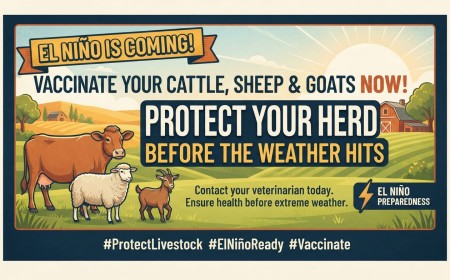
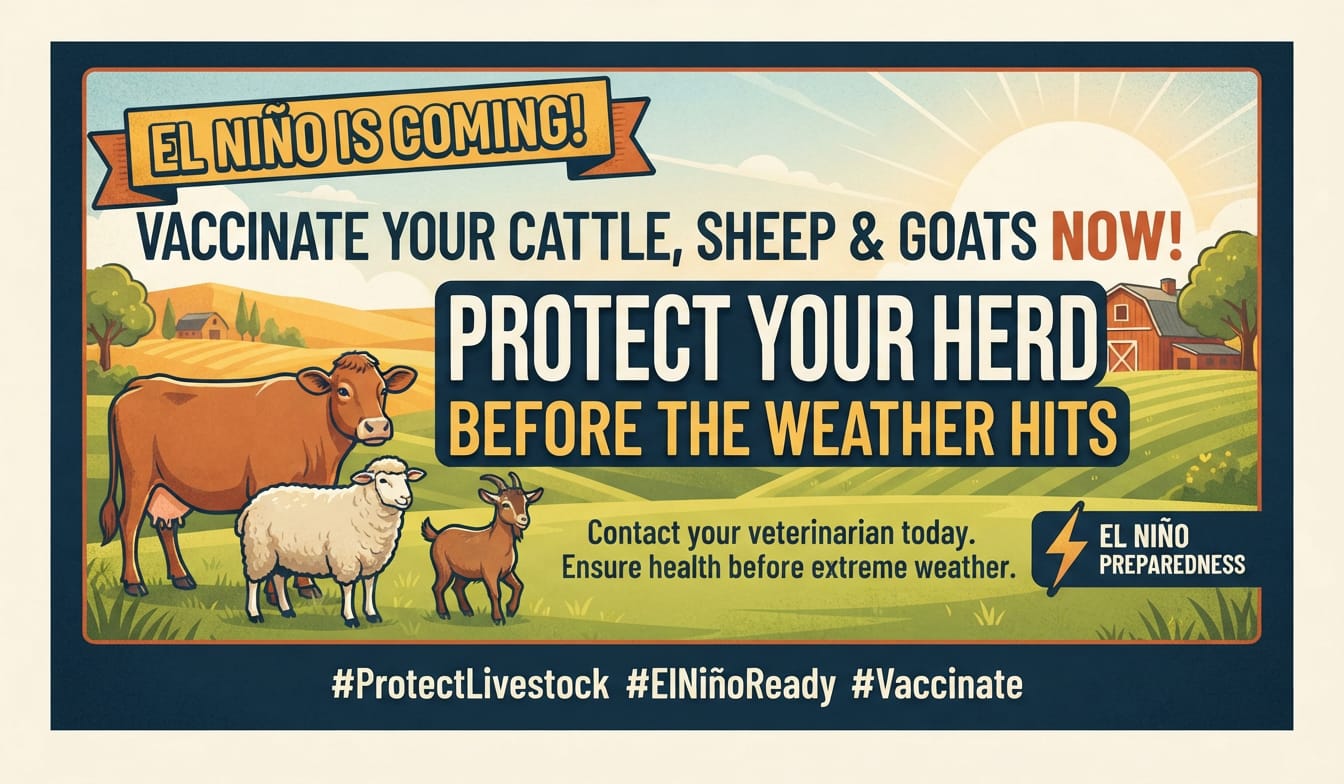
- Following the recommended vaccination programme: two primary doses, with the first at 3–4 months of age and the second 3–4 weeks later, followed by vaccination every 6 months.
- Buying animals from reliable sources.
- Quarantining newly purchased animals for at least two weeks and observing them for signs of illness before introducing them to the herd.
2. Cleaning
Good hygiene helps reduce contamination and the potential spread of disease:
- Clean animal housing frequently and maintain good hygiene.
- Regularly clean feeding and watering troughs and other equipment.
- Practise good personal hygiene by washing hands, shoes, clothing, and tools after handling animals.
- Keep clean clothes, shoes, and equipment separate from contaminated areas and items.
3. Disinfection
Disinfection should follow cleaning. The document emphasizes that farmers should clean first and disinfect afterwards, using an appropriate disinfectant recommended by a veterinarian.
Key takeaway
Preventing FMD starts with strong farm biosecurity: control access, vaccinate appropriately, quarantine new animals, maintain cleanliness, practise personal hygiene, and disinfect properly.