
Kenya Livestock Sector Heading for Transformation
The livestock sector transformation in Kenya is anchoring its modern strategy on South-South and Triangular Cooperation frameworks to transition from a largely informal, subsistence structure into a commercial, export-oriented powerhouse.

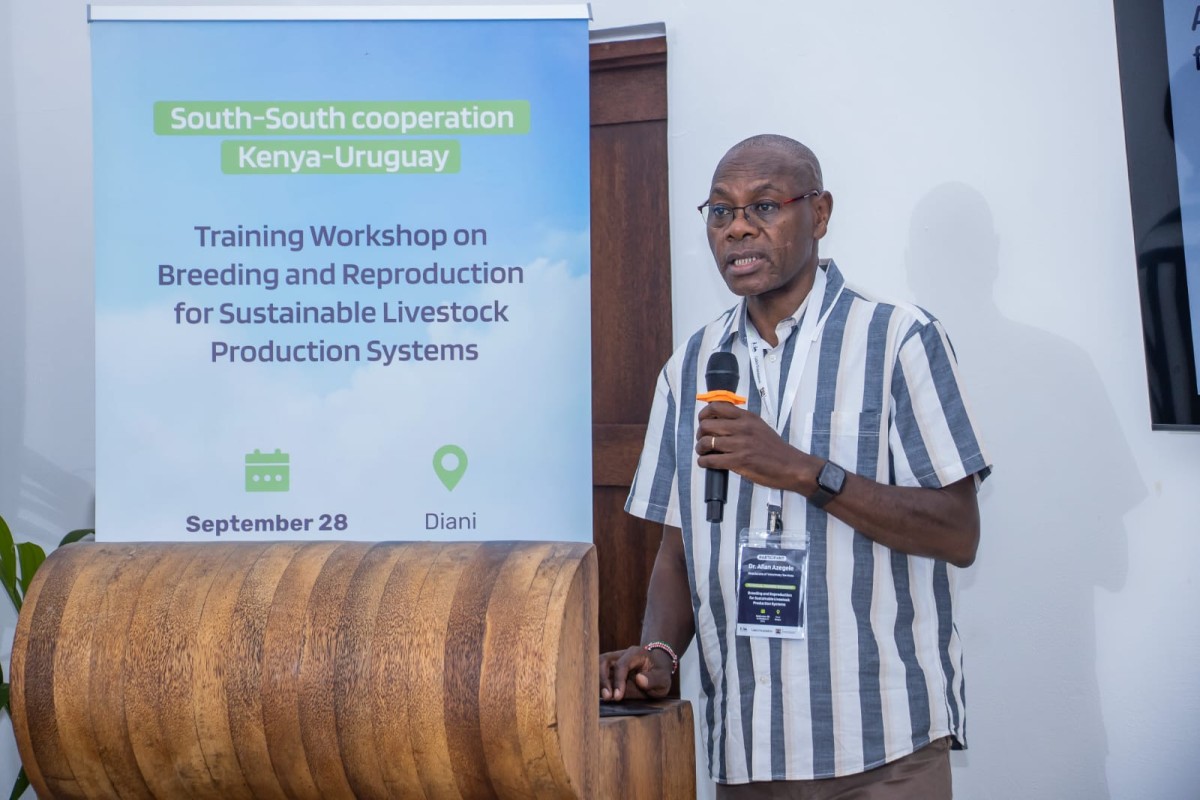
The South-South Cooperation Workshop for livestock production technical professionals and farmers' representatives running from September 28 to October 2, 2026 was officially opened by Kenya's Directorate of Veterinary Services (DVS) Dr. Allan Azegelle at the Swahili Beach Hotel in Diani.
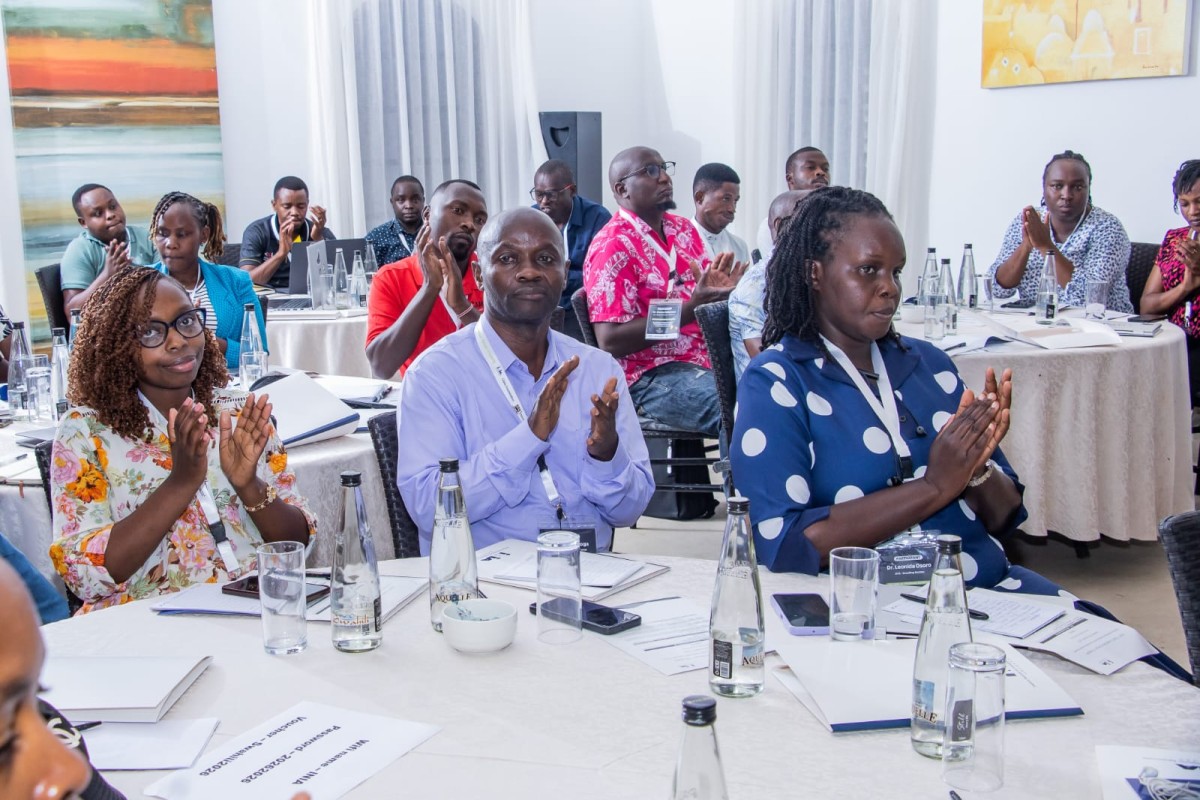
Participating Technical officers from the DVS
Key Focus
The core focus of the technical exchange was to share experiences on revamping the commercial beef and livestock sectors to unlock high-value global markets.
Livestock Traceability & Animal Identification Systems
Implementing frameworks to meet strict international sanitary and tracking requirements for beef exports.
Advanced Animal Genetics
Research and practical applications in animal breeding and genetics improvement to boost productivity.
Animal Health & Biosecurity
Enhancing disease surveillance, biosecurity protocols, and regulatory standards to protect national herds and support trade.
Livestock Nutrition & Food Safety
Managing pastures and animal feed systems upstream to satisfy compliance requirements for export markets.
Lead Facilitators
The international delegation sharing expertise was spearheaded by the National Institute for Agricultural Research of Uruguay (INIA).
Dr. Alejo Menchaca, Technical Coordinator of the South–South Cooperation Programme for INIA Uruguay, serves as the lead facilitator.
Dr. Menchaca is also Director of the Animal Health Research Platform at INIA and an internationally recognized expert in livestock production and animal health. He has served as a consultant in nearly 30 countries and leads major international cooperation projects on sustainable livestock production systems, drawing on Uruguay’s experience as a model for sustainable production.
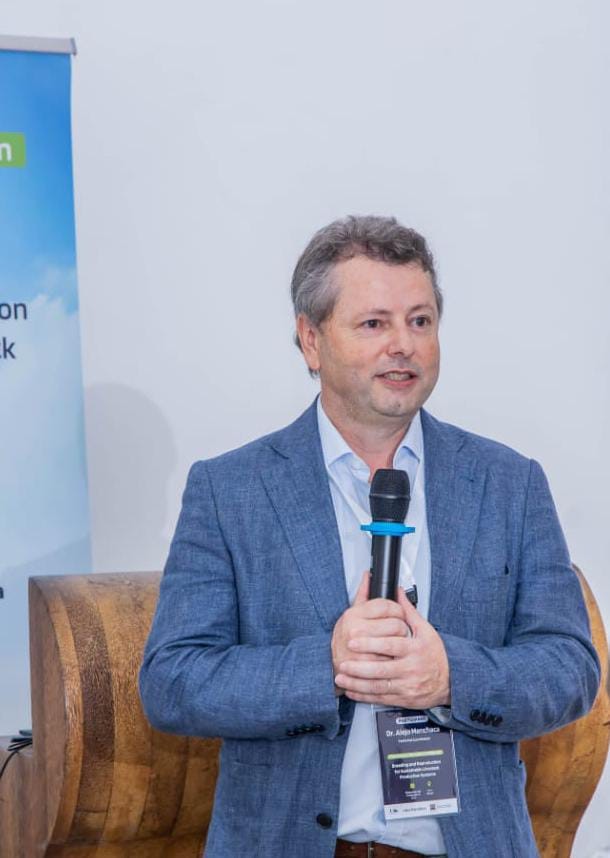
Dr. Alejo Menchaca, Uruguary
Dr. Maria Clara Caffera with INIA Uruguary and expert in Vitro Embryo production in Cattle.
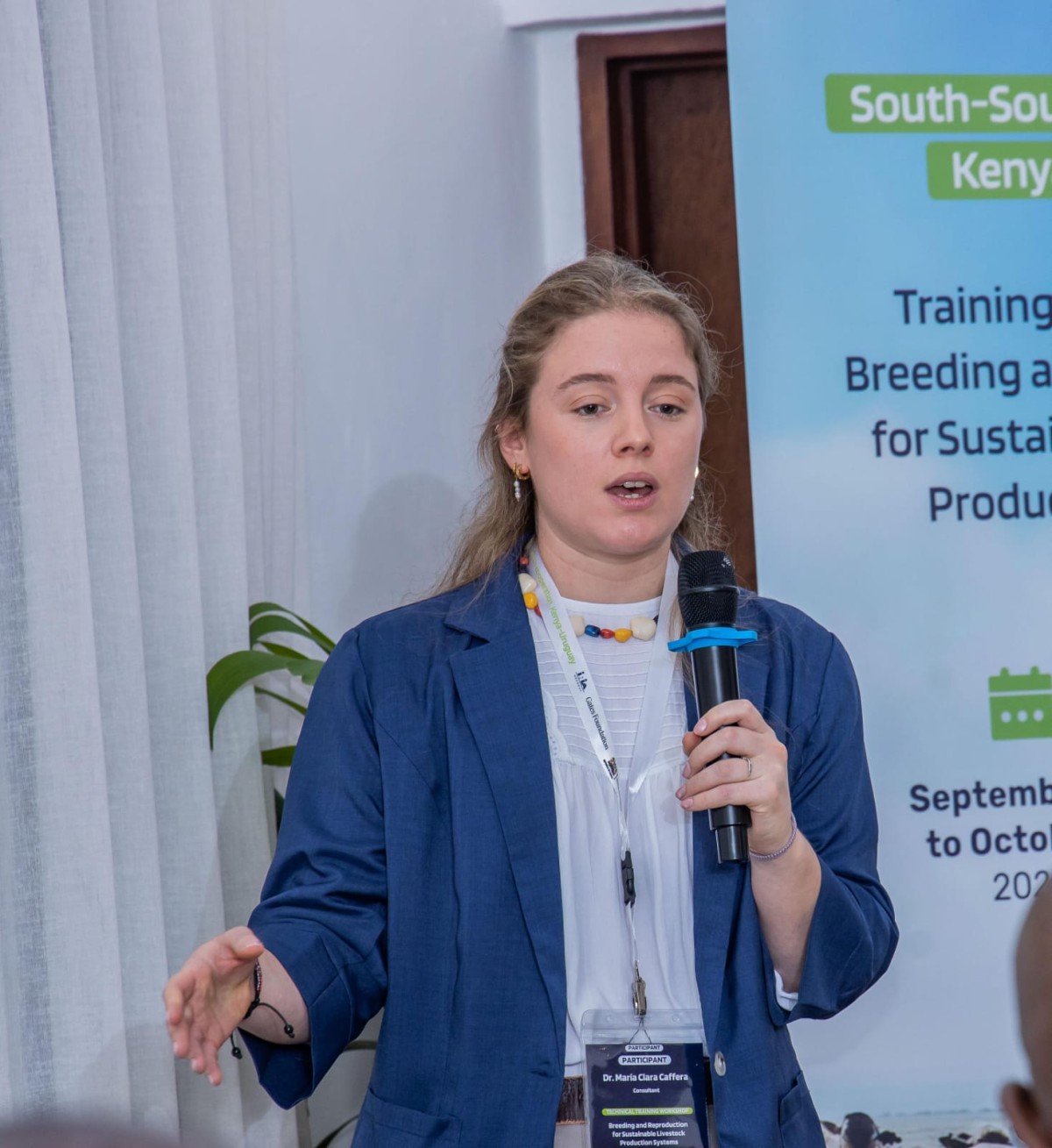
Dr. Maria Clara Caffera, Uruguay
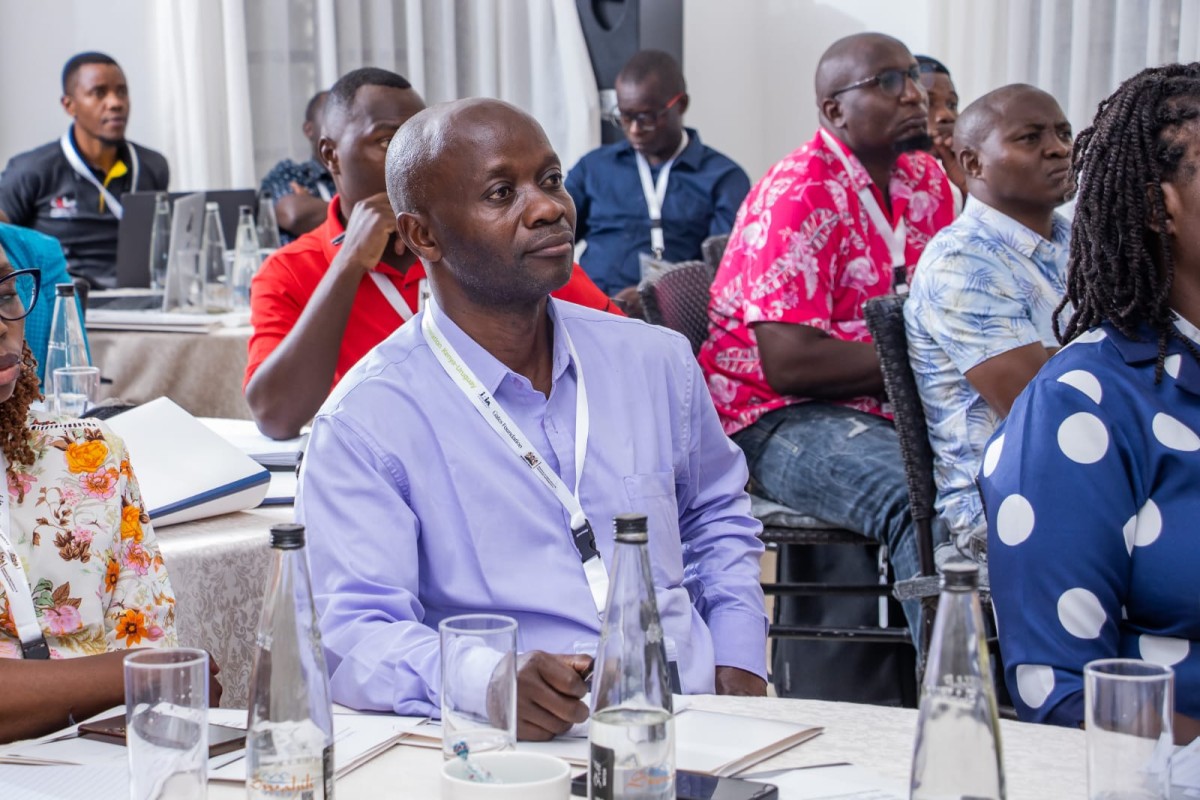
The workshop brought together technical officers
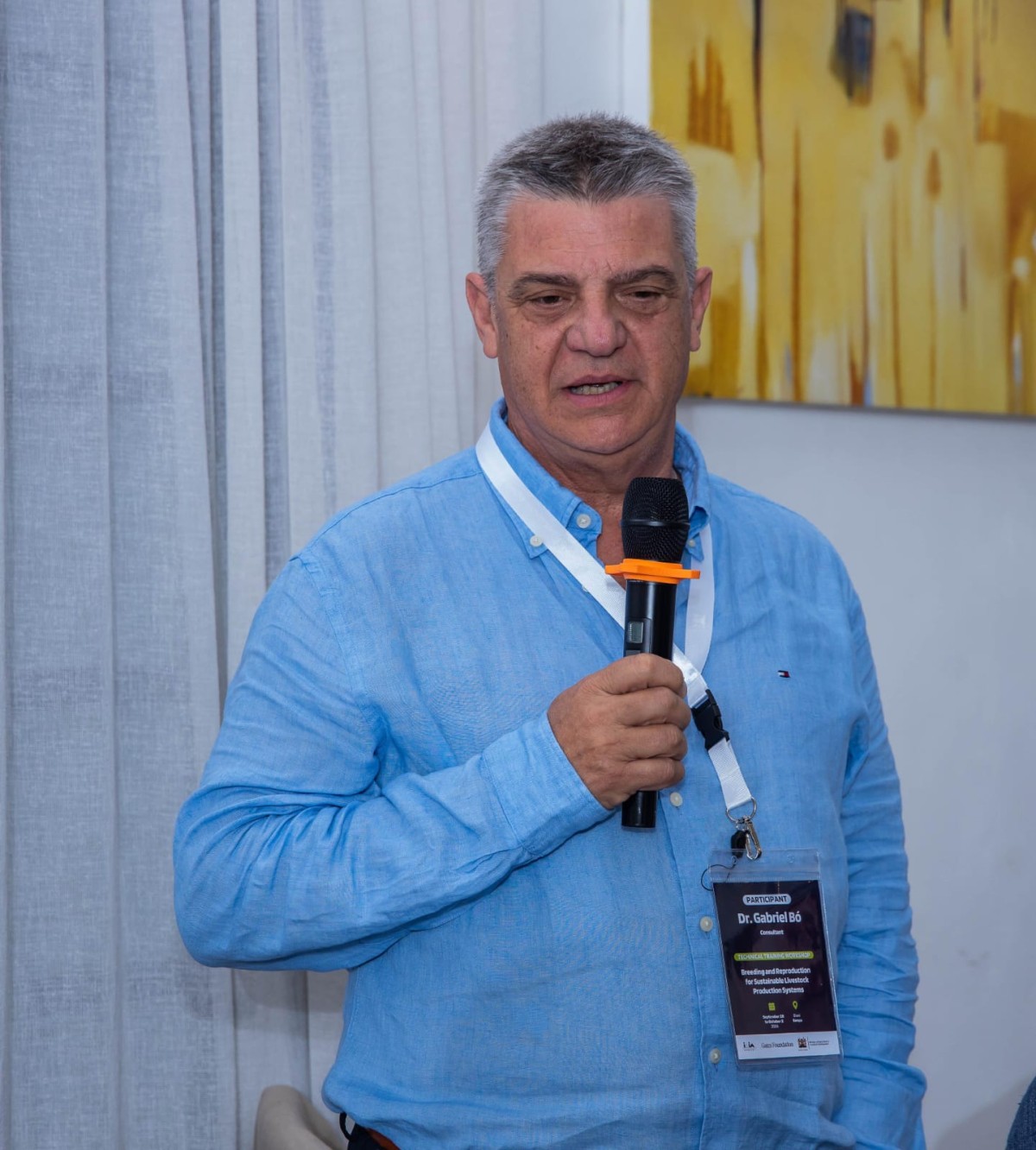
Dr. Gabriel Bo, Argentina
Dr. Gabriel Bó is a highly prominent Argentine veterinary scientist and global expert in bovine reproduction and biotechnology.
He serves as the President and Director of the Instituto de Reproducción Animal Córdoba (IRAC) in Argentina and is a professor of obstetrics and biotechnology of reproduction.
Within the context of this South-South livestock partnership, his role focuses on the advanced animal genetics and embryo technologies tracks. While the institutional delegation was coordinated through Uruguay's INIA network, Dr. Bó was brought in as a key specialist from Argentina to facilitate training on maximizing cattle production.
The Transformation
The Principal Secretary Jonathan Mueke, State Department of Livestock Production acknowledges, by strategically mirroring the frameworks of highly efficient livestock economies like Uruguay—which maintains a massive 12-million-head cattle industry with a small human footprint—Kenya's Ministry of Agriculture and Livestock Development and the Directorate of Veterinary Services (DVS) are targeting several key developmental interventions.
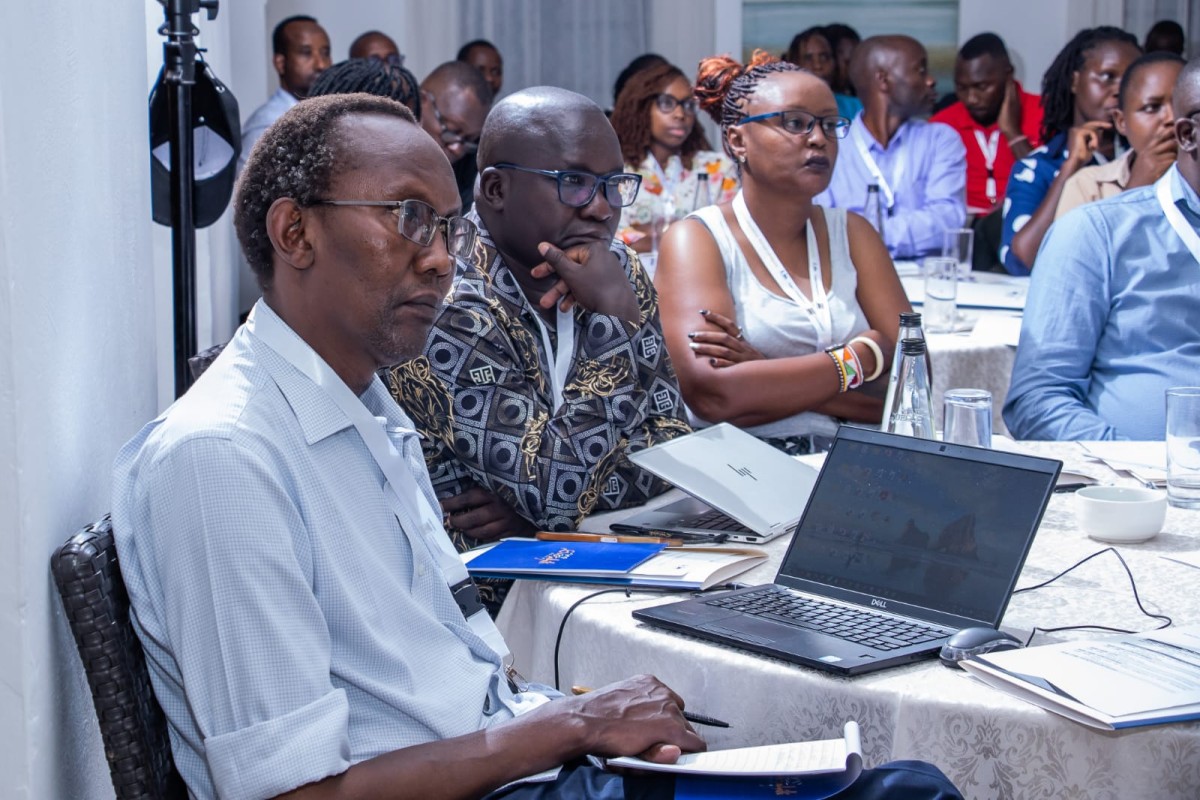
The Intervations by the State Department of Livestock Development
The Intervations by the State Department of Livestock Development
Market Access through Animal Health Regimes
The foundational barrier for Kenyan meat entering lucrative premium markets in the European Union and specific Gulf states has been compliance with sanitary and phytosanitary (SPS) regulations. Through partnerships with Uruguay’s National Institute for Agricultural Research (INIA) and veterinary networks, Kenya is actively retraining its regional veterinary officers in rapid disease surveillance and biosecurity protocols. By prioritizing the control of Foot-and-Mouth Disease (FMD) and Peste des Petits Ruminants (PPR), the sector aims to boost international confidence.
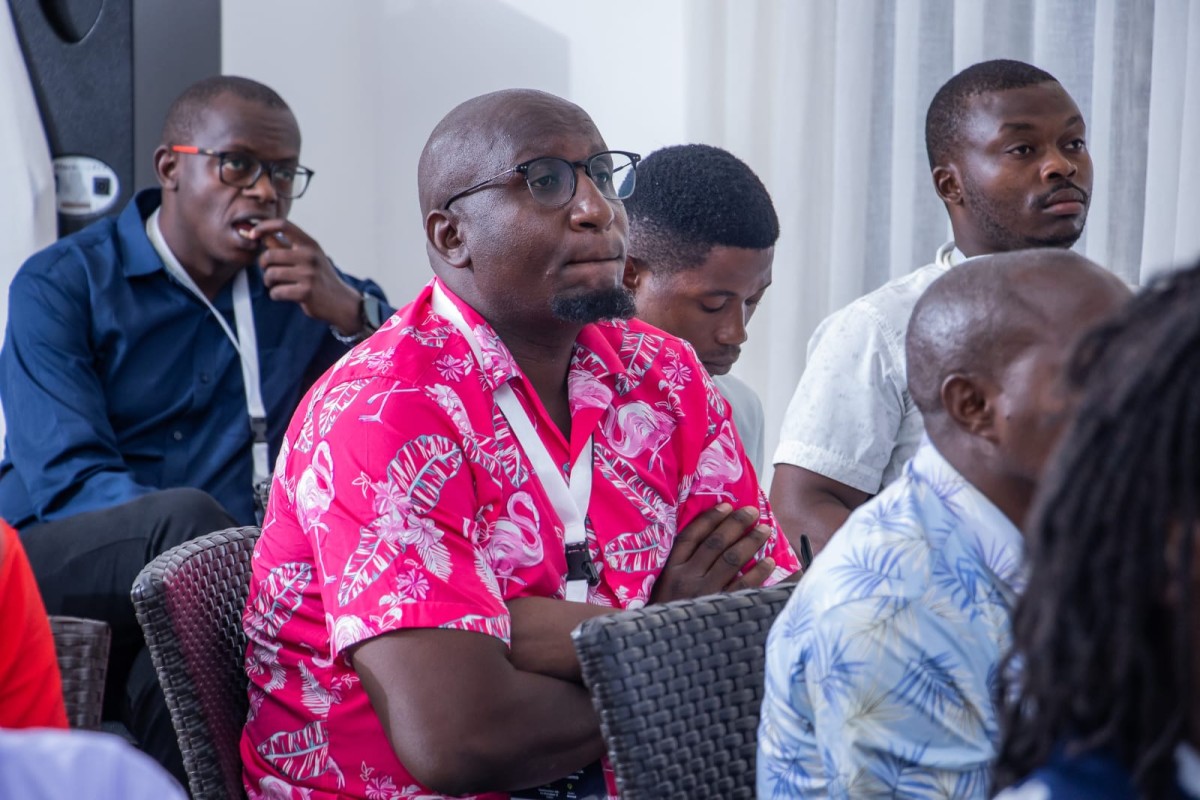
Participants discussed implementation of Vitro Embryo transfer in Cattle
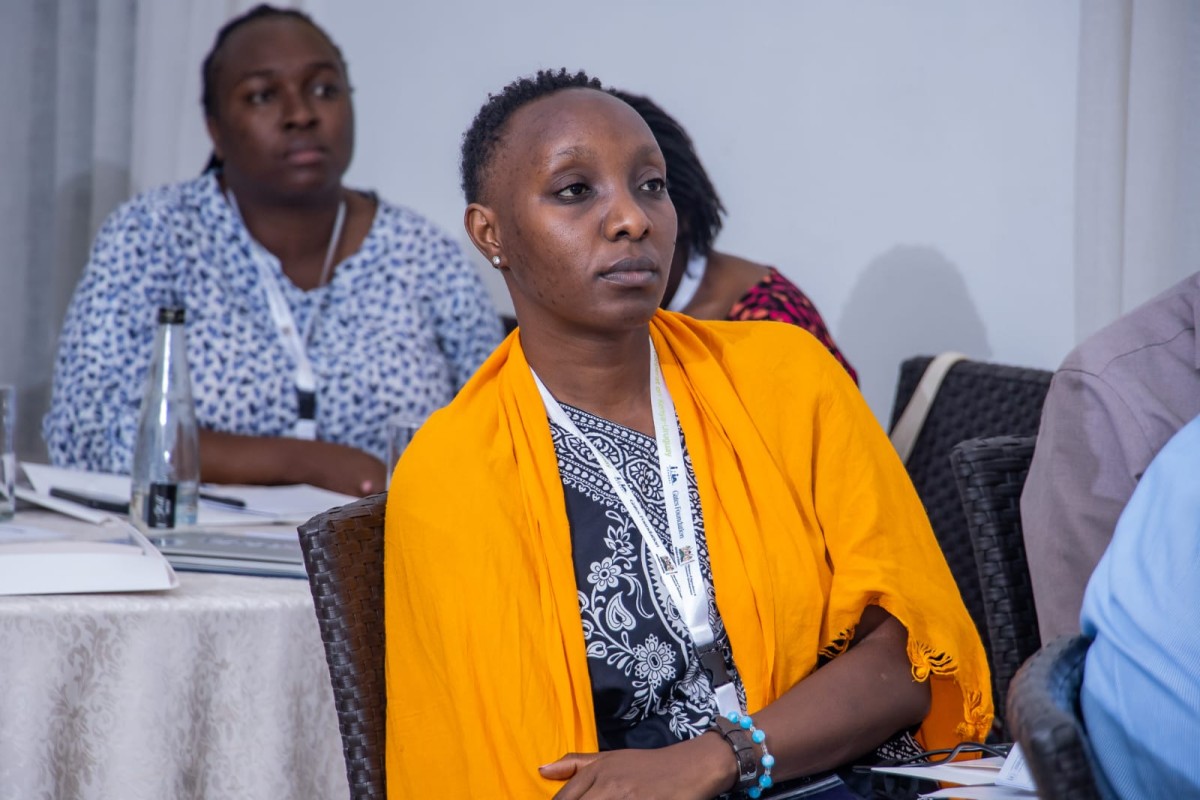
Embryo transfer and recipient synchronization in cattle discussion
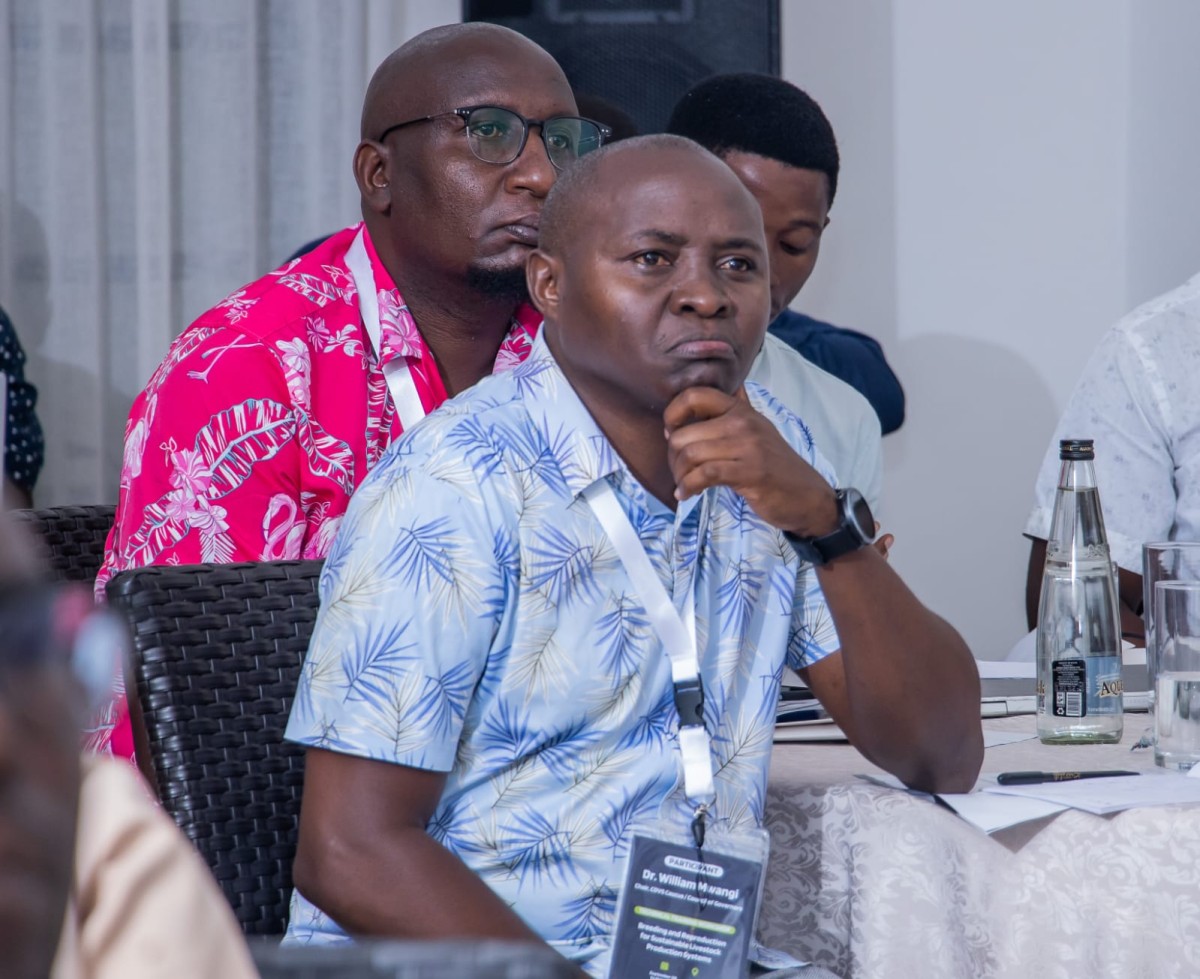
Participants paying attention to New innovations Fixed Time Artifical Insemination (FTAI) and it's implementation
The ANITRAC Breakthrough
The DVS is leveraging South-South technical insights to deploy the new Animal Identification and Traceability System (ANITRAC). Uruguay is a global model for mandatory individual cattle tracking. Replicating this allows Kenya to secure "source-to-slaughter" transparency.
The framework maps individual cattle back to local farms, satisfying foreign consumers' tracking prerequisites and positioning Kenya to aggressively grow its livestock export value.
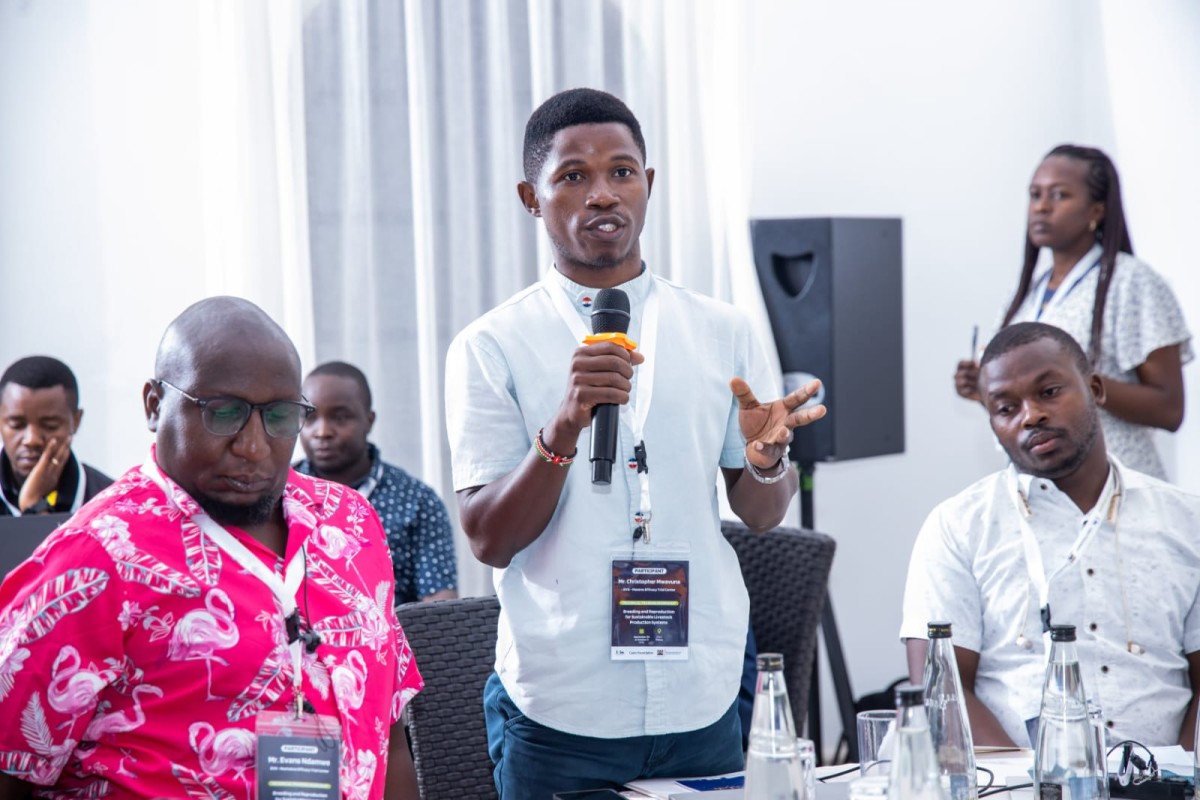
Manager Maseno University farm contributing to the Embryo transfer discussion.
Scaling Commercial Infrastructure and Genetics
The transition hinges on replacing low-yielding indigenous cattle breeds with high-performing, climate-resilient genetics.
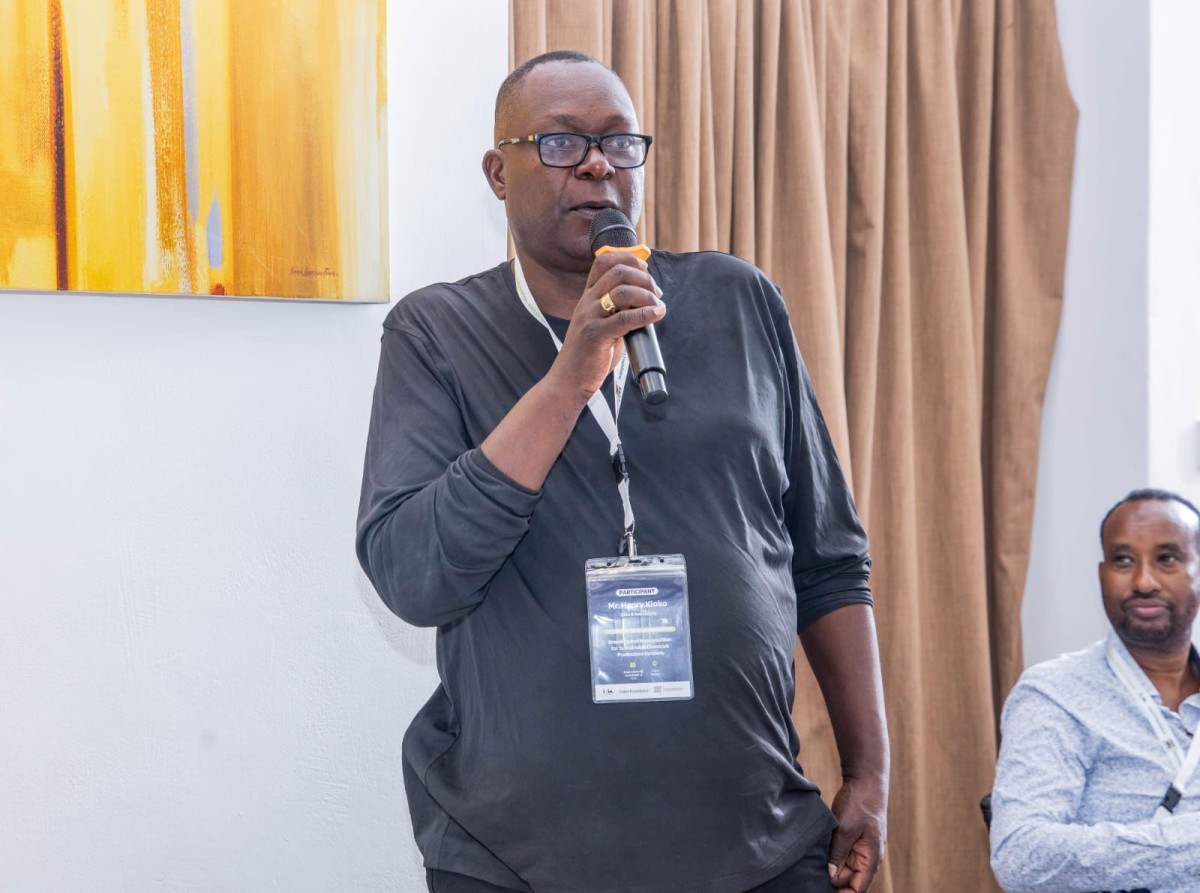
The Chief Executive & Editor The Livestock Site Magazine contributing to the discussion
Genetics Pipelines
Under training pathways led by South American biotechnology experts, technical professionals are modernizing localized Artificial Insemination (AI) networks and exploring sexed semen applications to scale up milk and beef production rapidly.
Feedlot Networks
High-level bilateral tours—such as the recent evaluations of the Makueni Feedlot and fodder system model—have allowed Uruguayan and Kenyan agricultural planners to co-design structured feedlot zones. Coupled with private-sector integrations like the newly prioritized Bachuma Livestock Quarantine Station, these zones ensure consistent cattle finishing for the global supply chain. Aggregating Smallholder Farmers
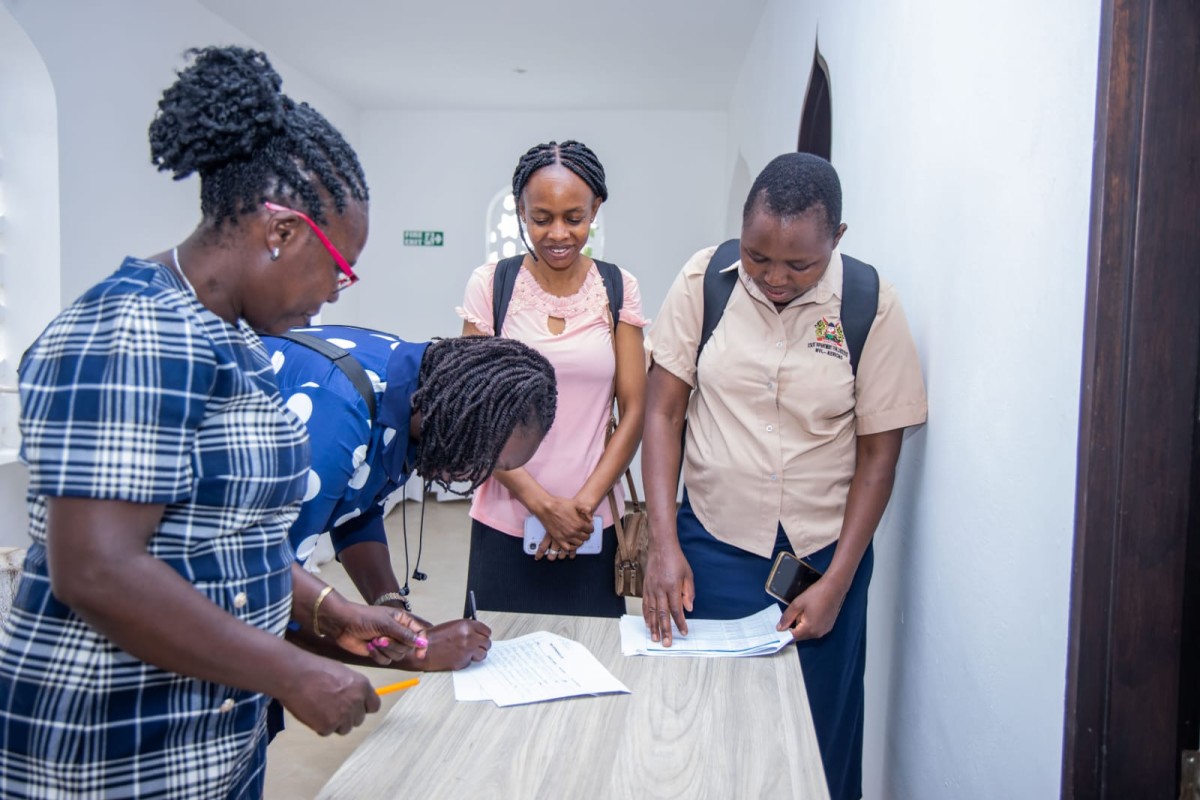
Veterinary professionals register to participate
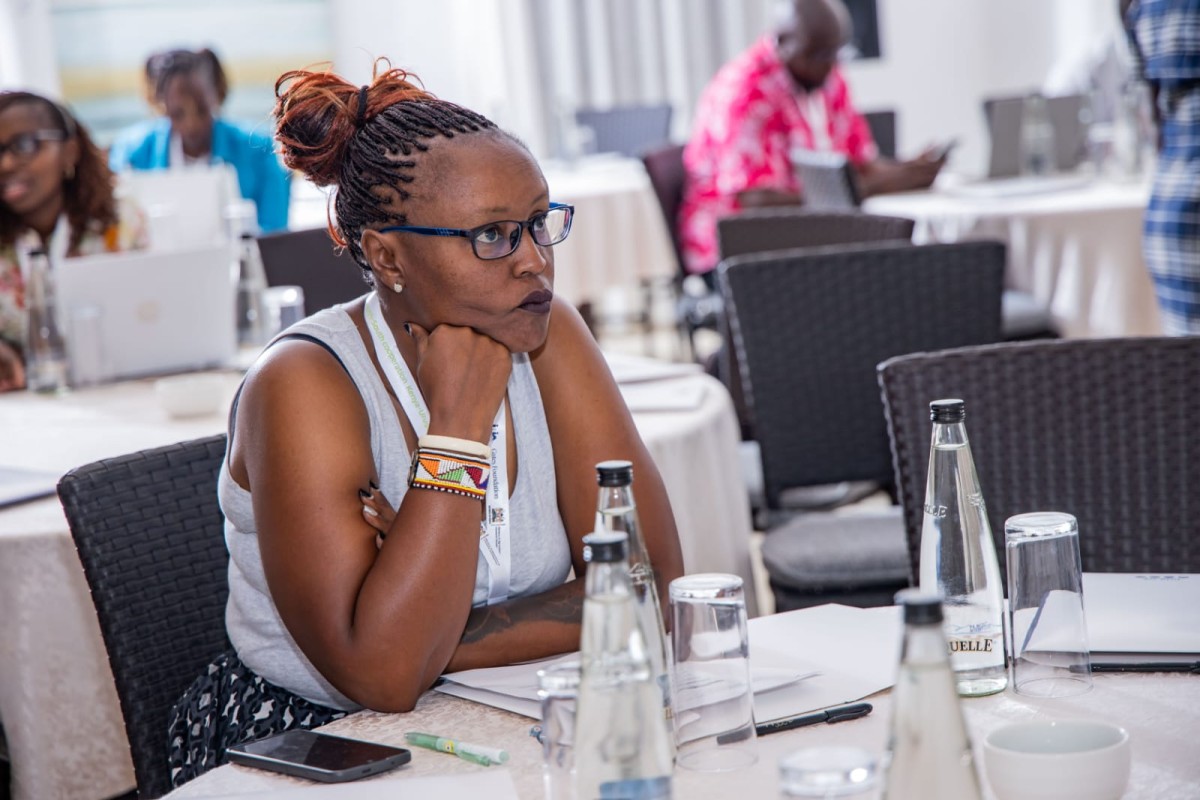
Understanding Follicular dynamics in the cow discussion
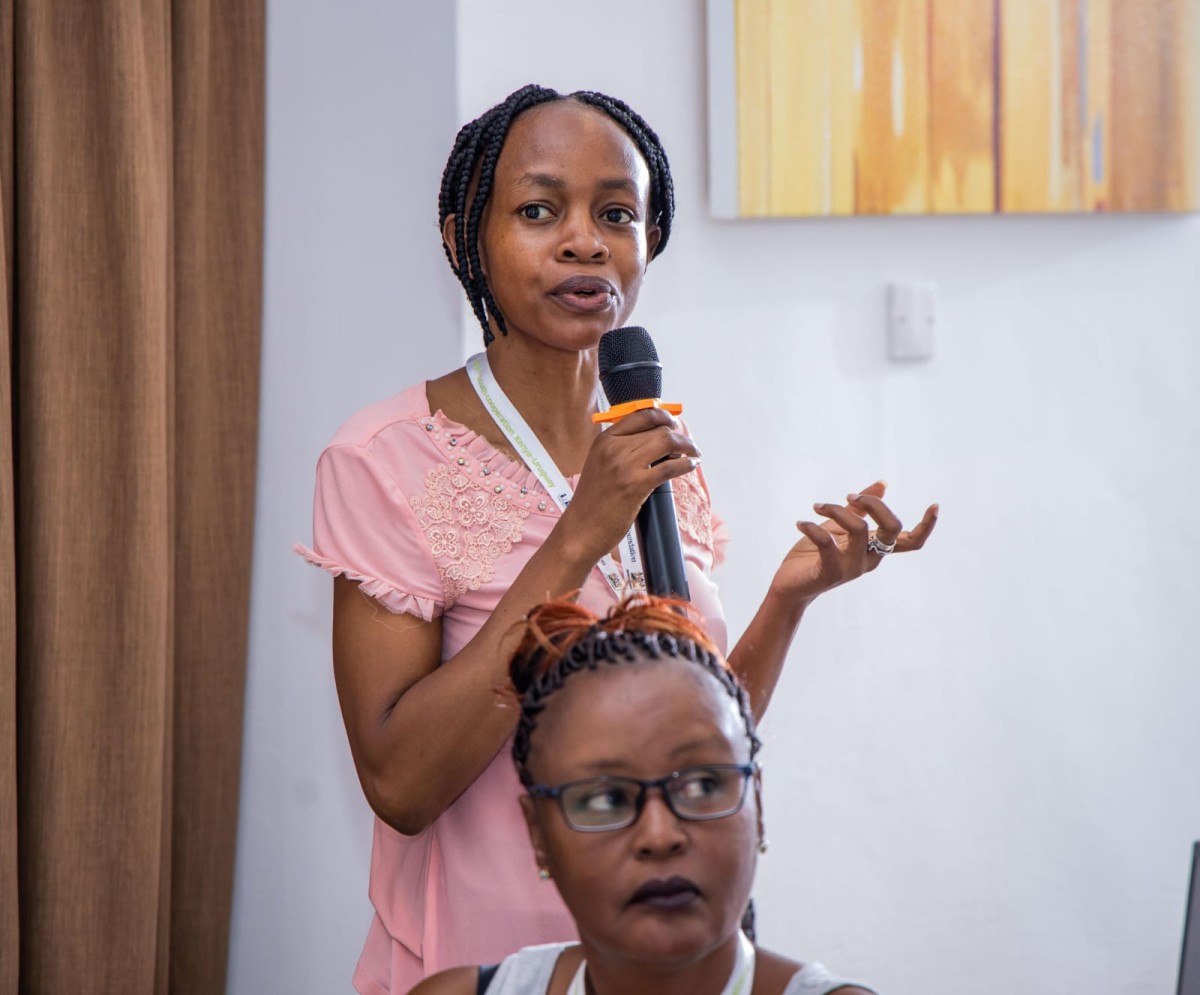
Female and male reproduction in sheep and goats discussion
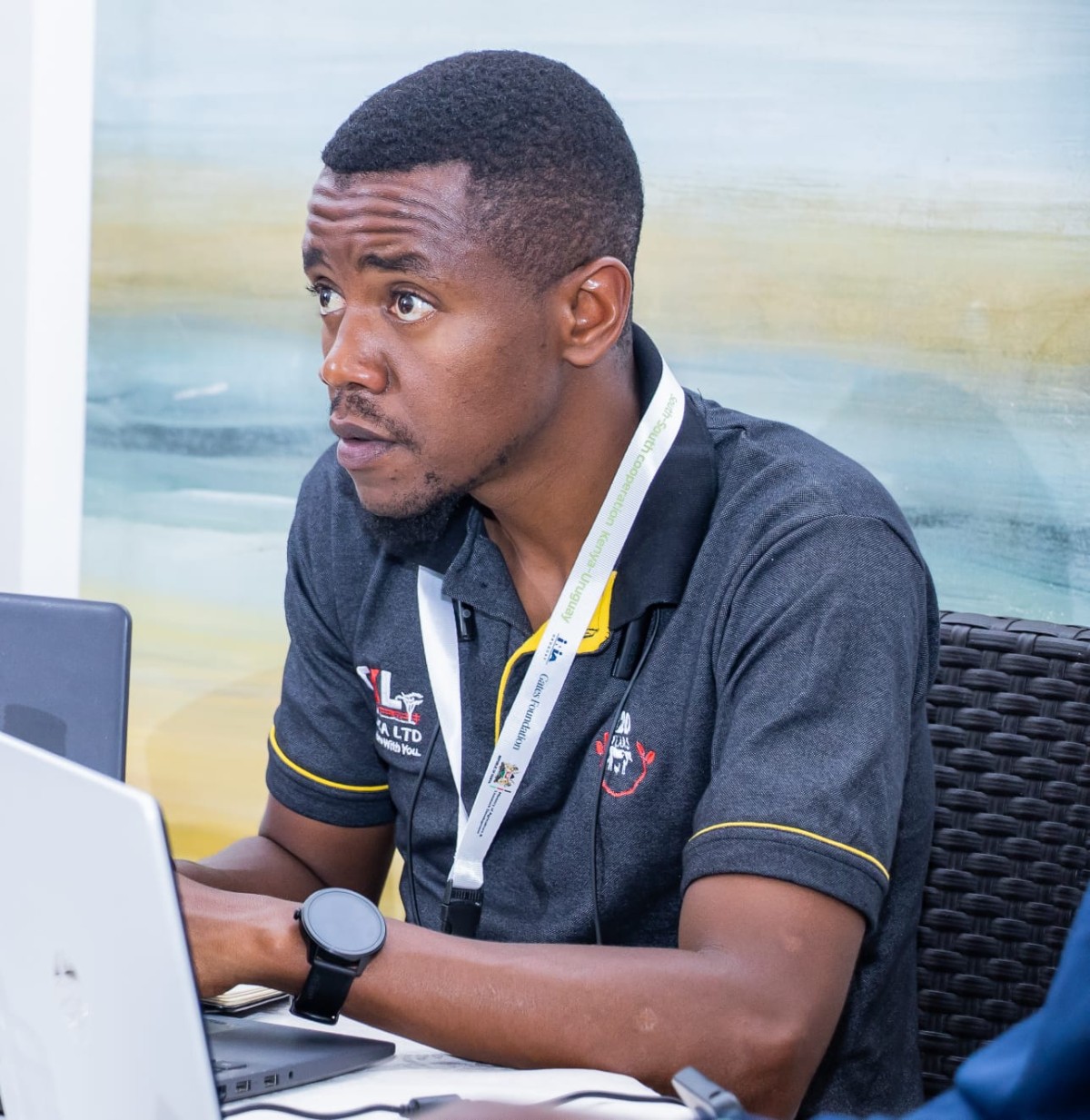
Private practitioners led by CKL Africa participated
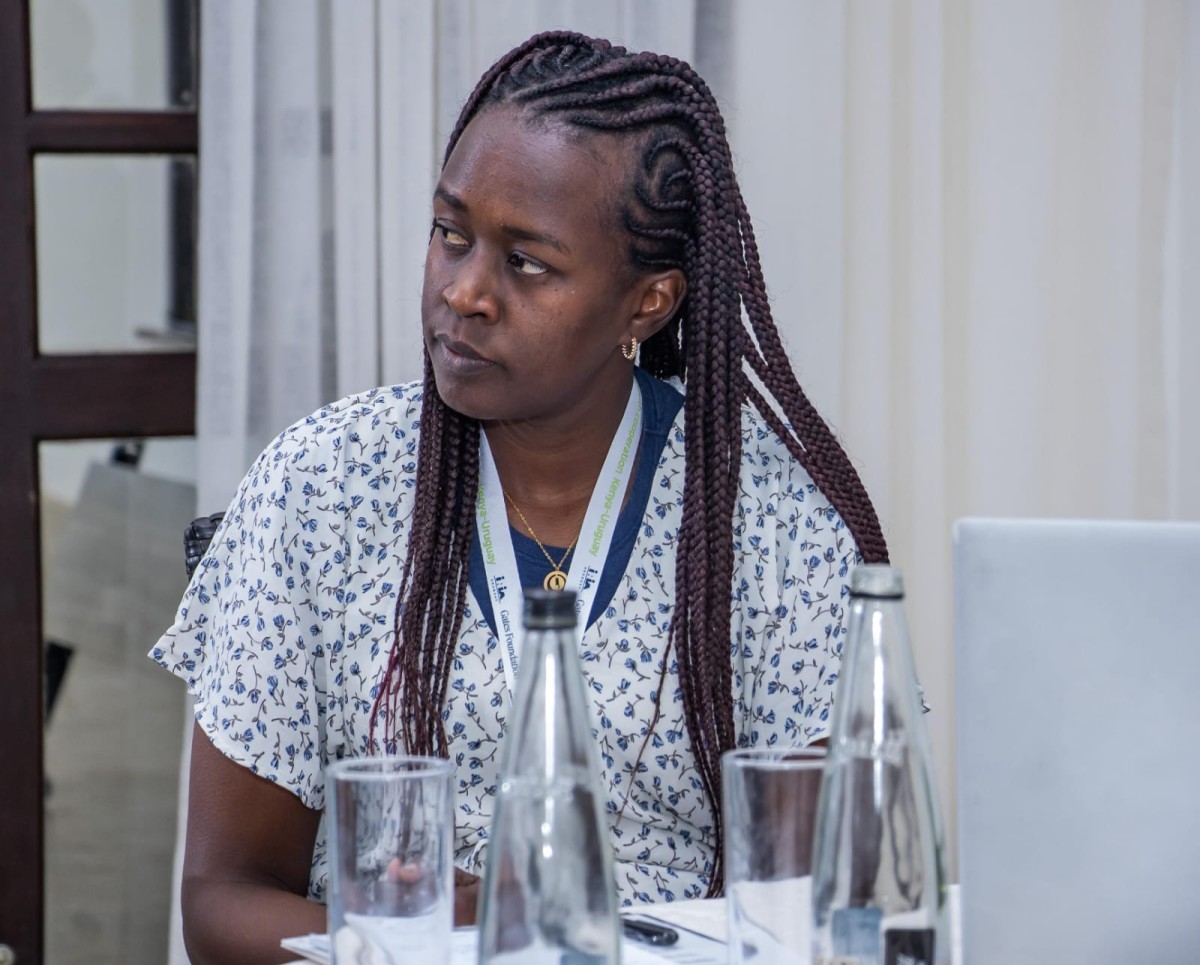
Dr. Amina Sirma of the DVS the Workshop coordinator.
To match the organized commercial capabilities of international competitors, the sector is executing the County Livestock Investment Company (CLIC) initiative.
Aiming to aggregate roughly 300,000 pastoralists across 21 arid and semi-arid (ASAL) counties into capitalized, private-sector corporate entities, the government uses these co-ops as conduits for the exact technologies gained via the South-South exchanges: subsidized quality genetics, standardized vaccine distribution, and direct linkages to buyers.