

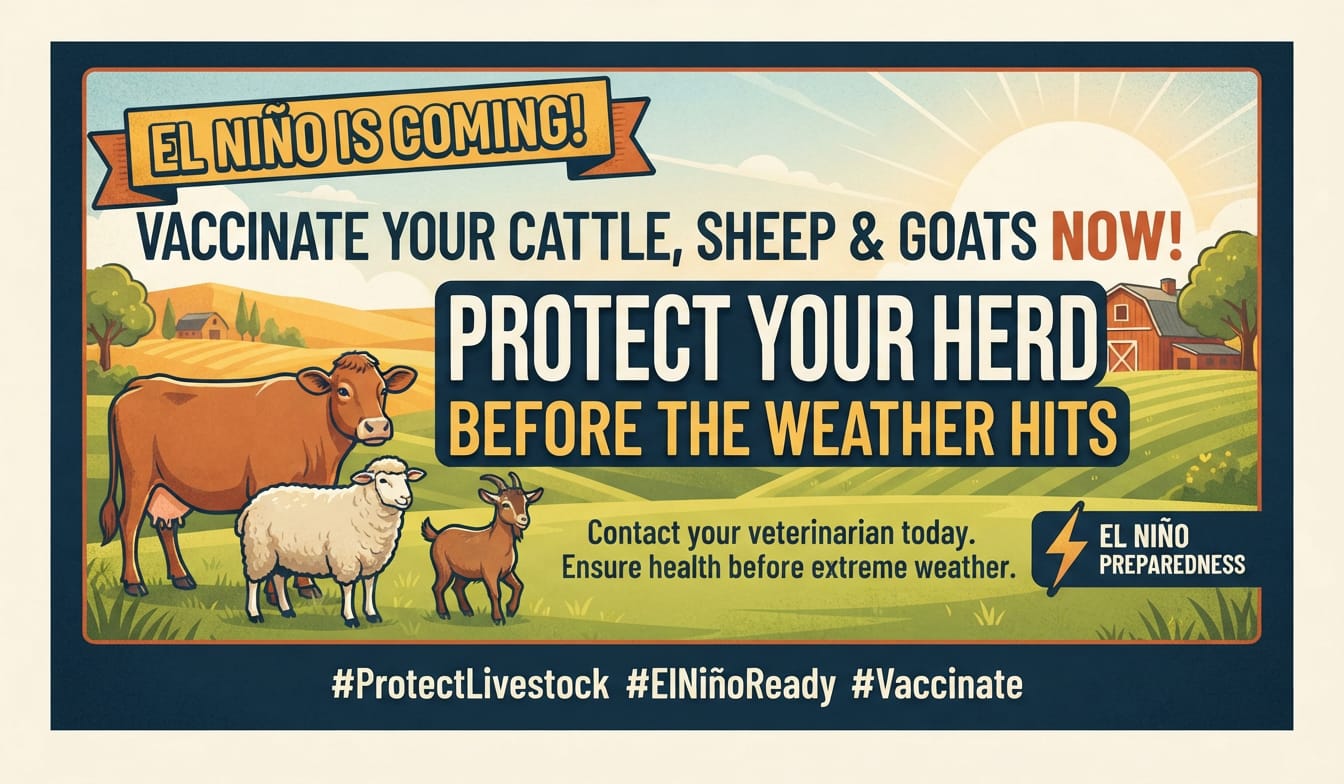
Fodder Threat: Risk management to sustainable fodder security for livestock producers
Shifting from rain-dependent grazing to proactive feed security is essential to protect livestock and income from climate volatility.

Unpredictable rainfall patterns and intense dry spells mean that waiting for the grass to grow naturally leaves your herd highly vulnerable to weight loss, dropping milk yields, and emergency sell-offs.
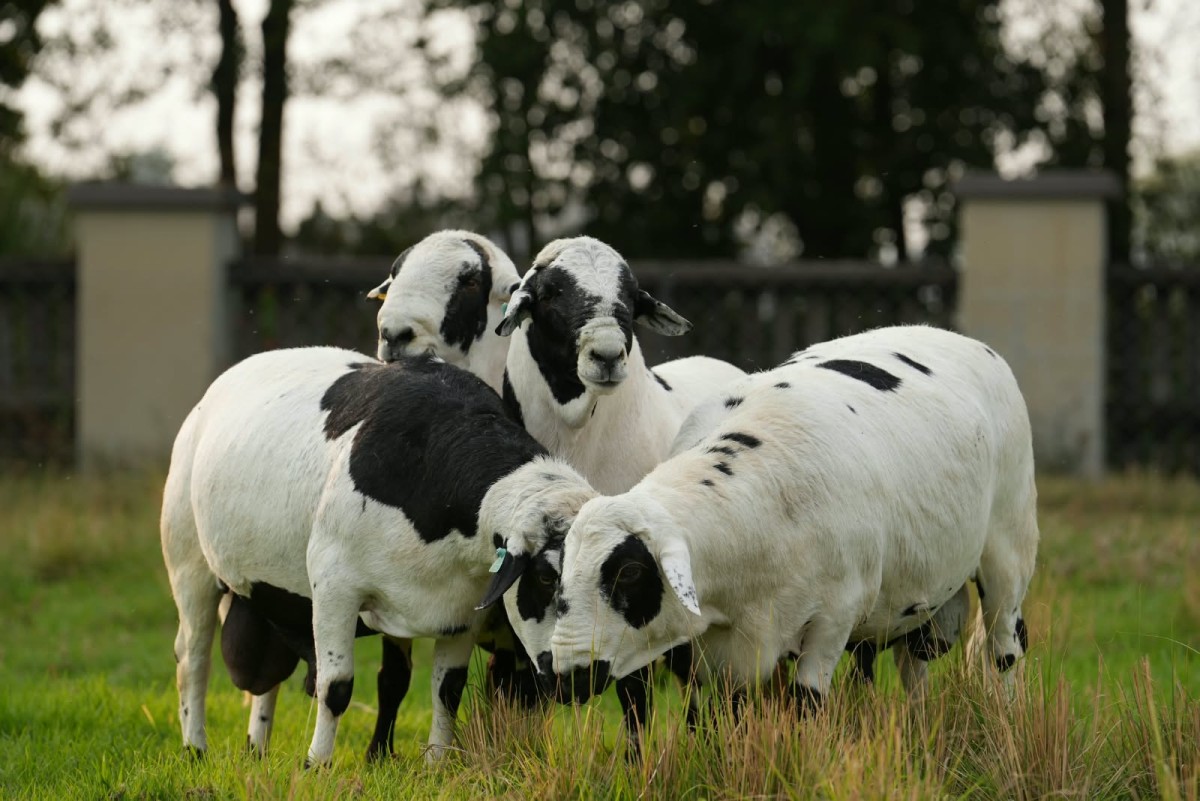
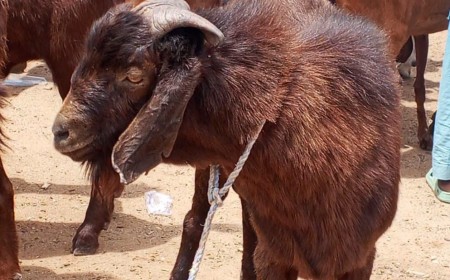
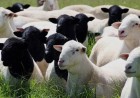
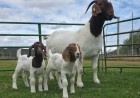
Meatmaster sheep are hardy
Immediate Fodder Security & Climate Strategies
Evaluate your herd size against your current stockpiles. Consider strategic destocking, selling older or lower-producing animals while they are in good condition to secure cash and protect feed for your core breeding stock.
Transition to Climate-Smart Forage: Shift away from standard grasses toward deep-rooted, drought-tolerant varieties like the African foxtail, Bush rye, Maasai love grass, Ex Tozi rhodes or legumes like Clitoria ternatea, Siratro, pigeon peas, Cow peas m66 and Dolichos.
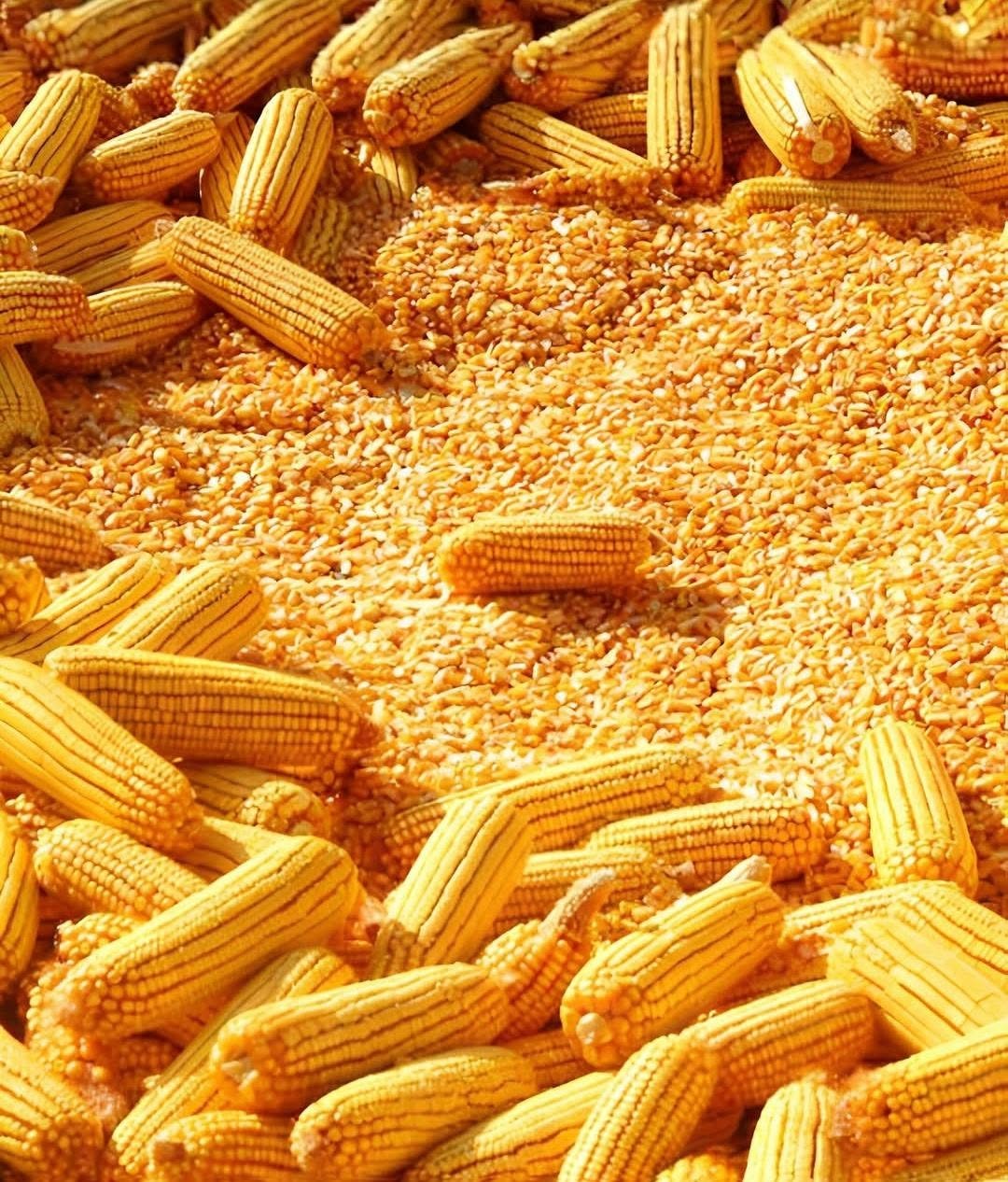
Invest in crop fodder
Utilize Fodder Conservation: Bulk buy and preserve feed during occasional supply peaks. Build a reliable reserve through silage making (using plastic bags or pits to ferment green maize or sorghum) and tightly stacked hay baling. Farmers must stop the rain grass dependancy and deliberately create fodder security.
Incorporate Crop Residues: Treat dry maize stalks, wheat straw, or rice husks with urea to improve digestibility, transforming low-value agricultural waste into maintenance-level roughage.
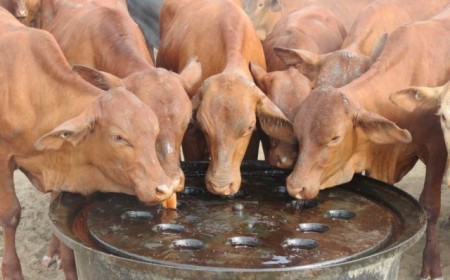
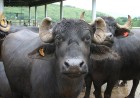
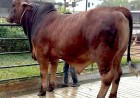
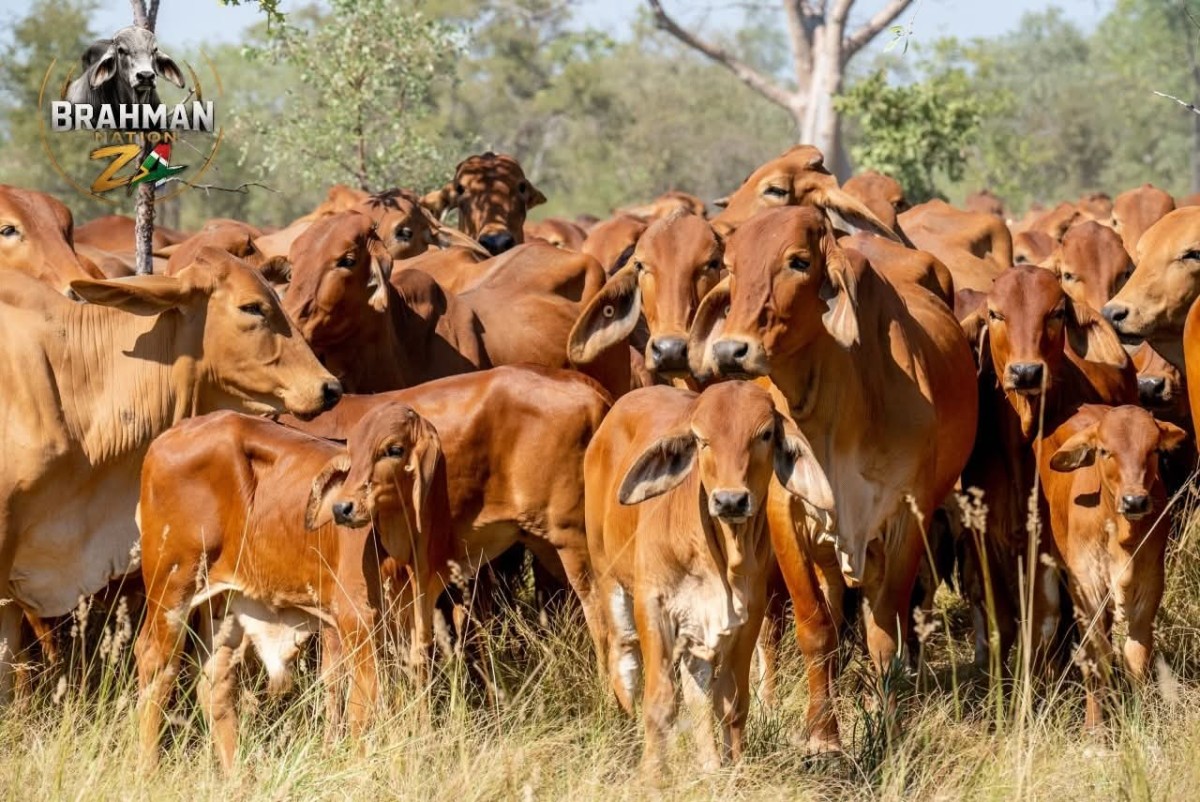
Invest in drought resistant hardy genetics. Brahman cattle are widely considered one of the most resilient livestock investments for harsh, arid environments. Their unique evolutionary traits mean their genetics essentially "do not wear out" under conditions that would cause temperate breeds to fail.
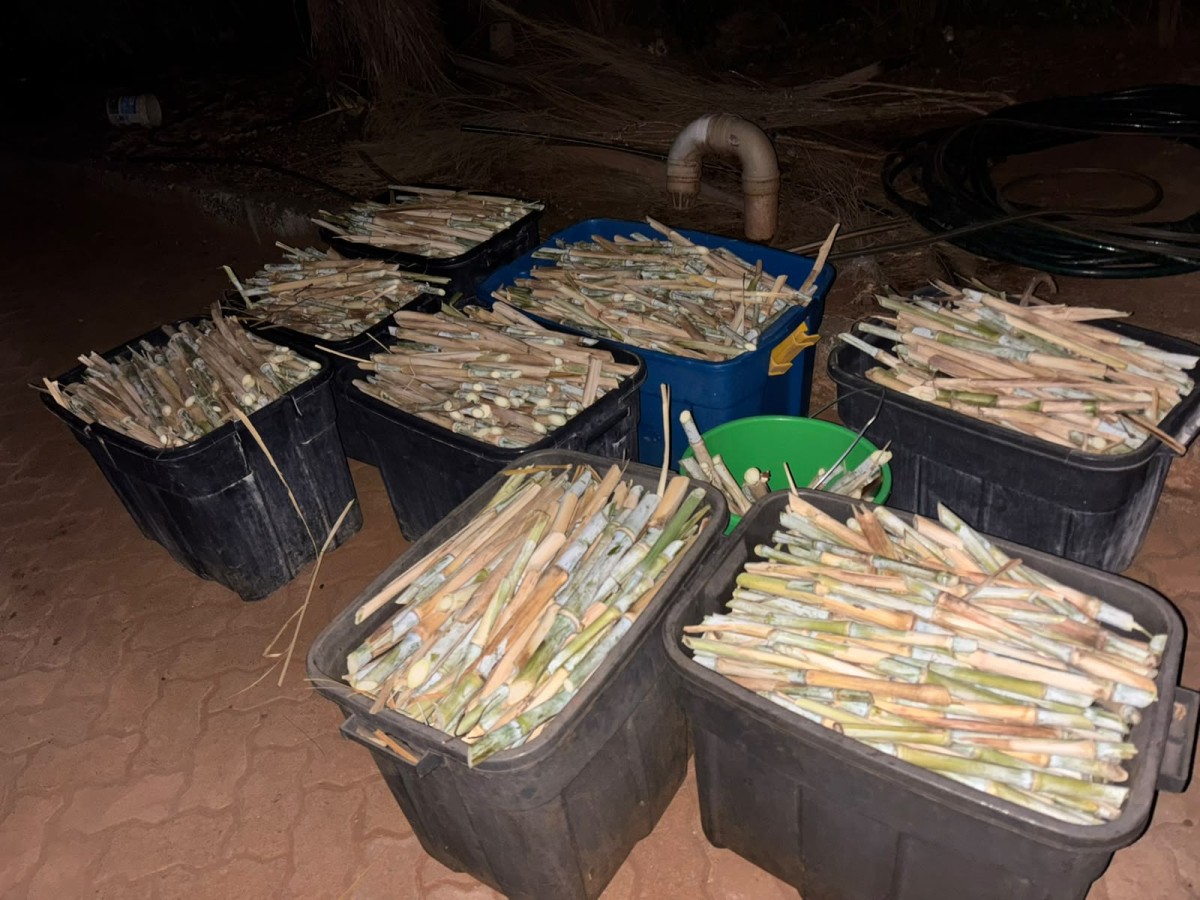
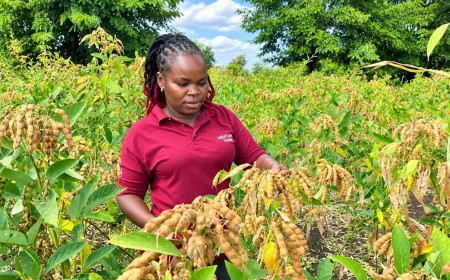
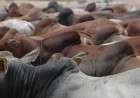
Australian Red and Juncao at a Kibwezi farm
Invest in Local Water Harvesting Rainwater collection systems, roadside run-off diversion into small farm ponds, or localized drip-irrigation plots are vital to keep dedicated fodder banks alive without relying on seasonal downpours.