
Livestock Futures-Pursuing Diversification a sharp and highly Strategic Angle
A silent market transition is going on. An opportunity for the value addition industry to reposition their products and farmers to harvest more.
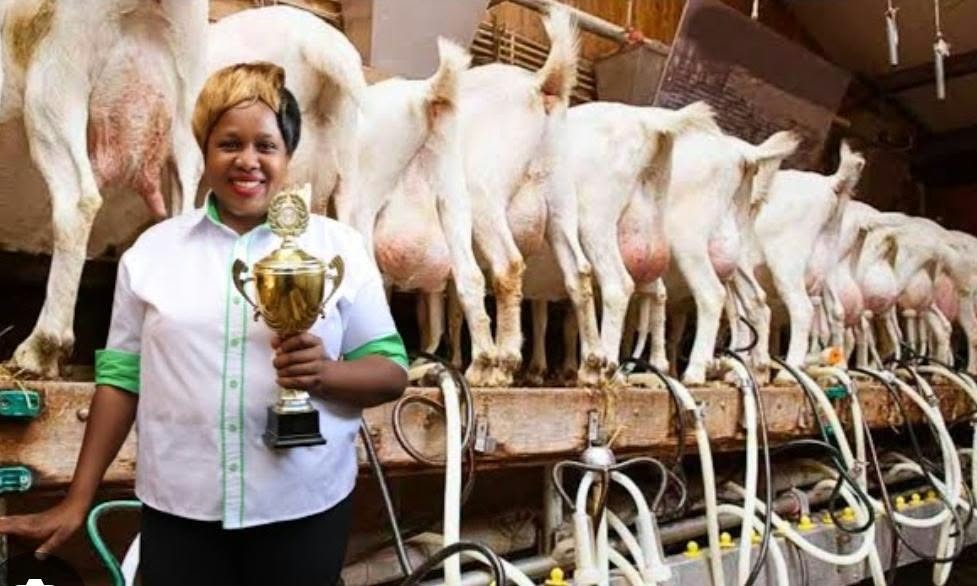
"It also appears farmers are fast to grasp the opportunity. Diversification to strengthen goat, sheep, camel and Buffalo milk is a great opportunity for our economy", says Henry Kioko, a livestock enterprise strategist speaking after disclosing that his firm has secured Approved Import Permits to import live Water Buffalo genetics working with Indian exporters , Water Buffalo research Institutions and Stud Water Buffalo producing farms in India.
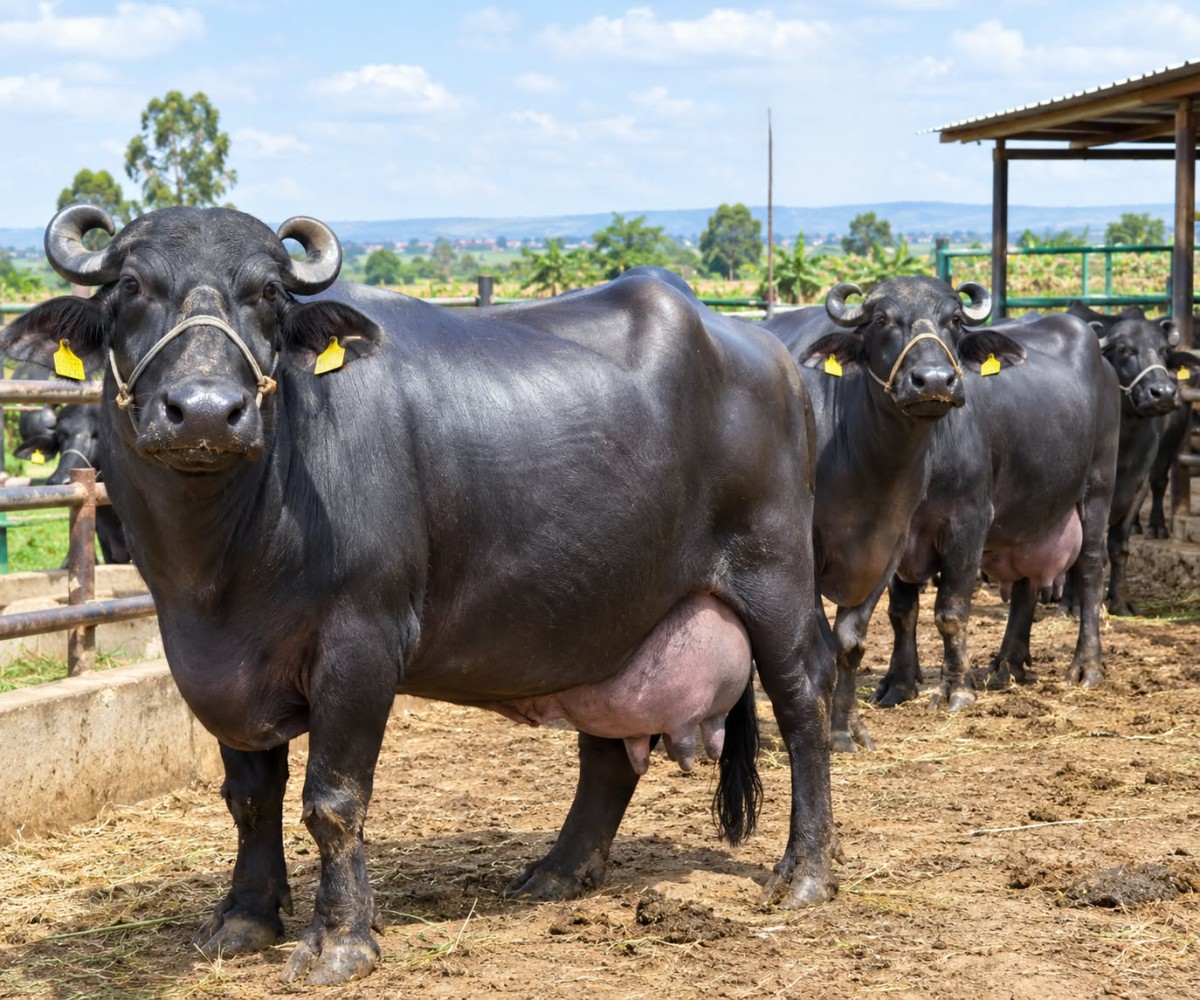
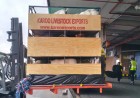
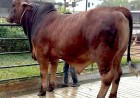
50 Indian dairy Murruh buffaloes set to arrive in Kenya in the coming months.
"Soon we shall host a workshop to prepare private ranches and farmers interested in Water Buffalo genetics as we prepare to deliver the first consignment in the next three months".
The Kenyan dairy sector is undergoing a massive structural shift, and diversifying into non-bovine milk (goat, camel, sheep, and buffalo) represents a golden opportunity for climate resilience, high-value agro-processing, and improved farmer livelihoods.
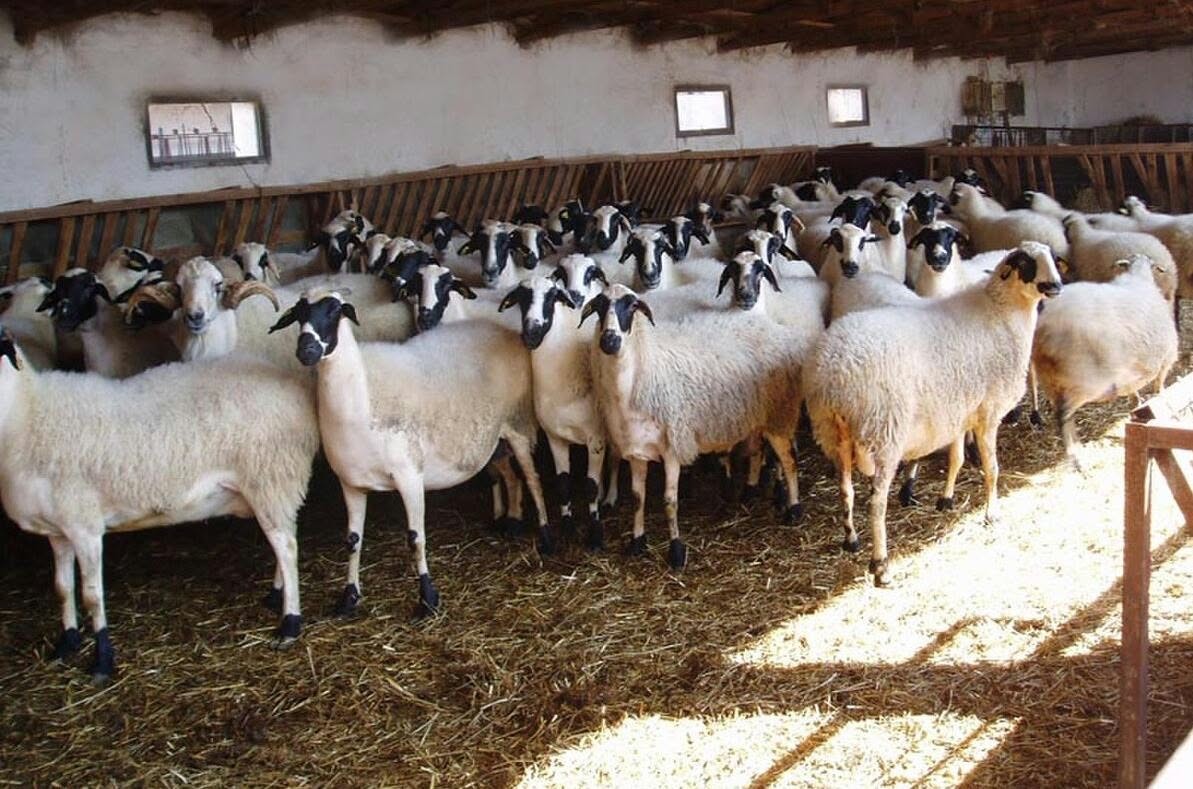
Chios sheep is classified as a semi-fat tailed bred mainly for their milk production.
As climate variability makes traditional cattle farming more volatile, especially in Arid and Semi-Arid Lands (ASALs), shifting toward hardier livestock and aggressive value addition is exactly how the industry can command premium prices.
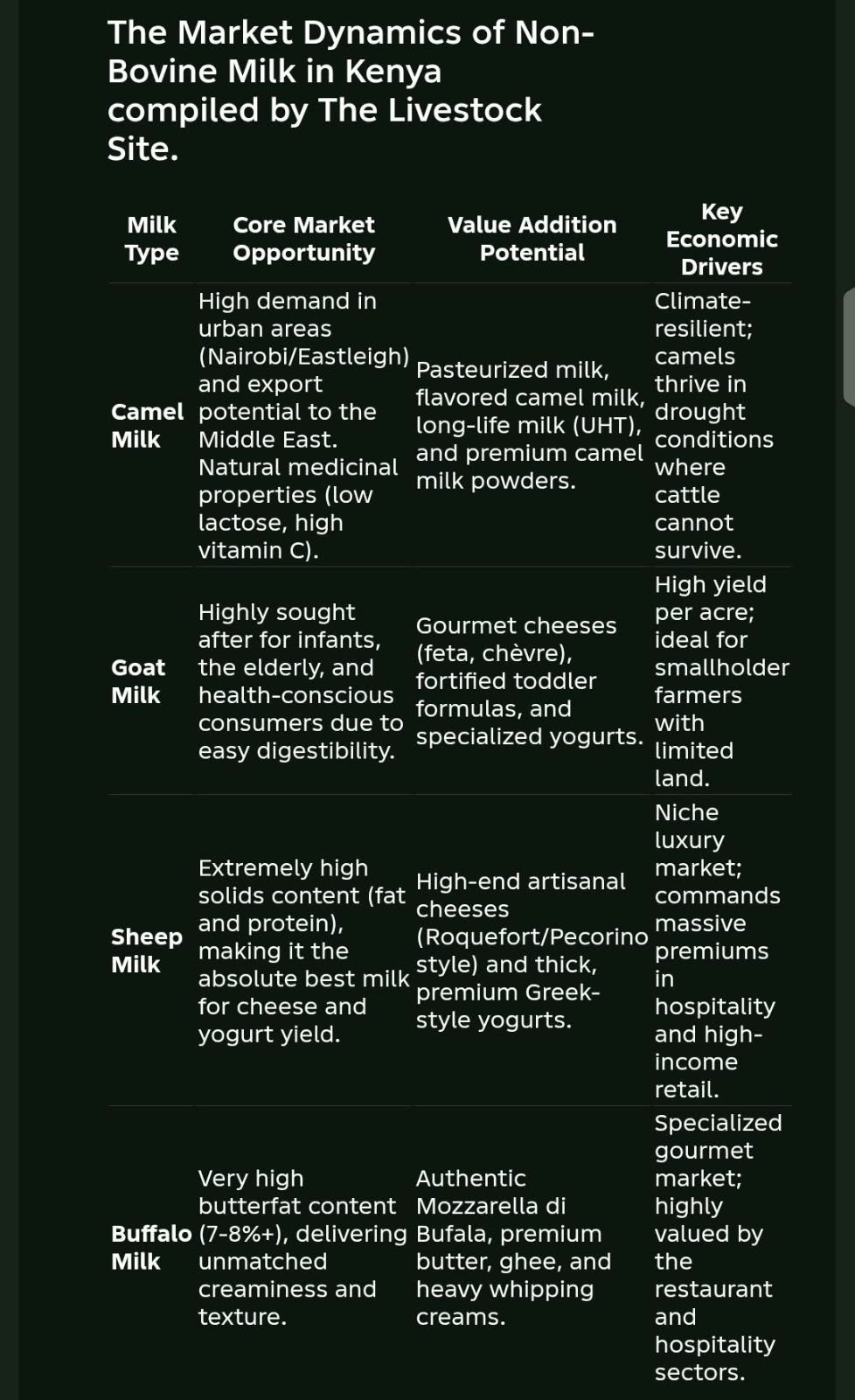
The Market Dynamics of Non-Bovine Milk in Kenya compiled by The Livestock Site
Strategic Steps to Reposition the Value Addition Industry
To successfully transition and ensure farmers demand higher returns, the ecosystem needs to pivot away from selling raw, commoditized milk and focus on differentiation.
Geographical Indications (GI) & Branding Market camel milk from the North (e.g., Isiolo, Marsabit) or artisanal goat cheese from the Eastern as premium, organic, and culturally rich products.
Functional and Therapeutic Marketing: Position these alternative milks as "superfoods." Camel milk's low glycemic index makes it highly marketable to the growing diabetic demographic, while goat milk can be positioned as a premium dairy alternative for lactose-sensitive consumers.
Aggressive Cold-Chain Investment The primary bottleneck for ASAL milk (like camel milk) is spoilage. Investing in solar-powered village cooling hubs allows farmers to preserve quality and bargain for higher factory-gate prices.
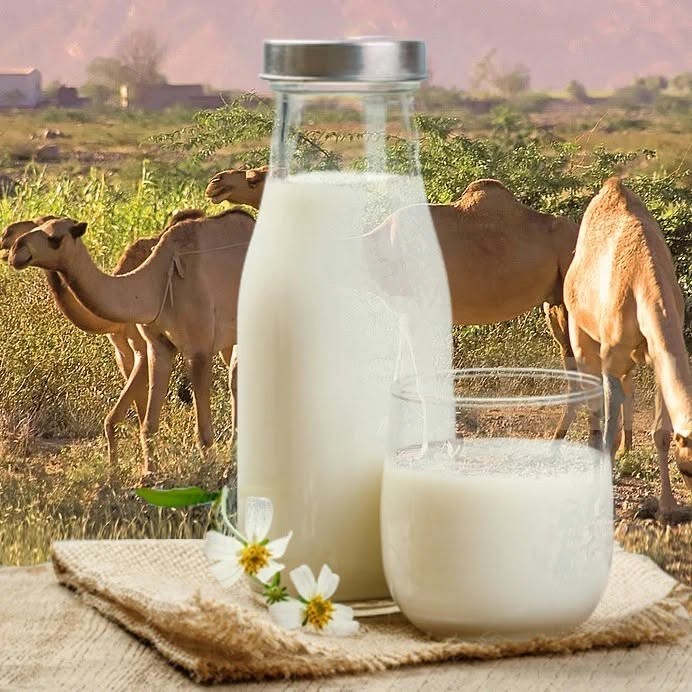
Camel milk kefir
Farmer Co-operatives for Collective Bargaining Just as traditional coffee and tea farmers aggregate, camel and goat milk farmers must formalize into strong cooperatives to bypass predatory middlemen and sell directly to high-value processors.
The Economic Impact for Kenya
Embracing this diversification achieves a triple-win for the Kenyan economy
ASAL Wealth Creation It formalizes the economy of pastoralist counties, turning livestock from a cultural asset into a commercial powerhouse.
Import Substitution High-end cheeses and specialty milk powders are heavily imported into Kenya. Local production saves foreign exchange reserves.
Climate Adaptation It aligns perfectly with Kenya's green economy goals, as camels, water Buffalo and goats have a significantly lower environmental footprint and higher drought tolerance than dairy cows.