

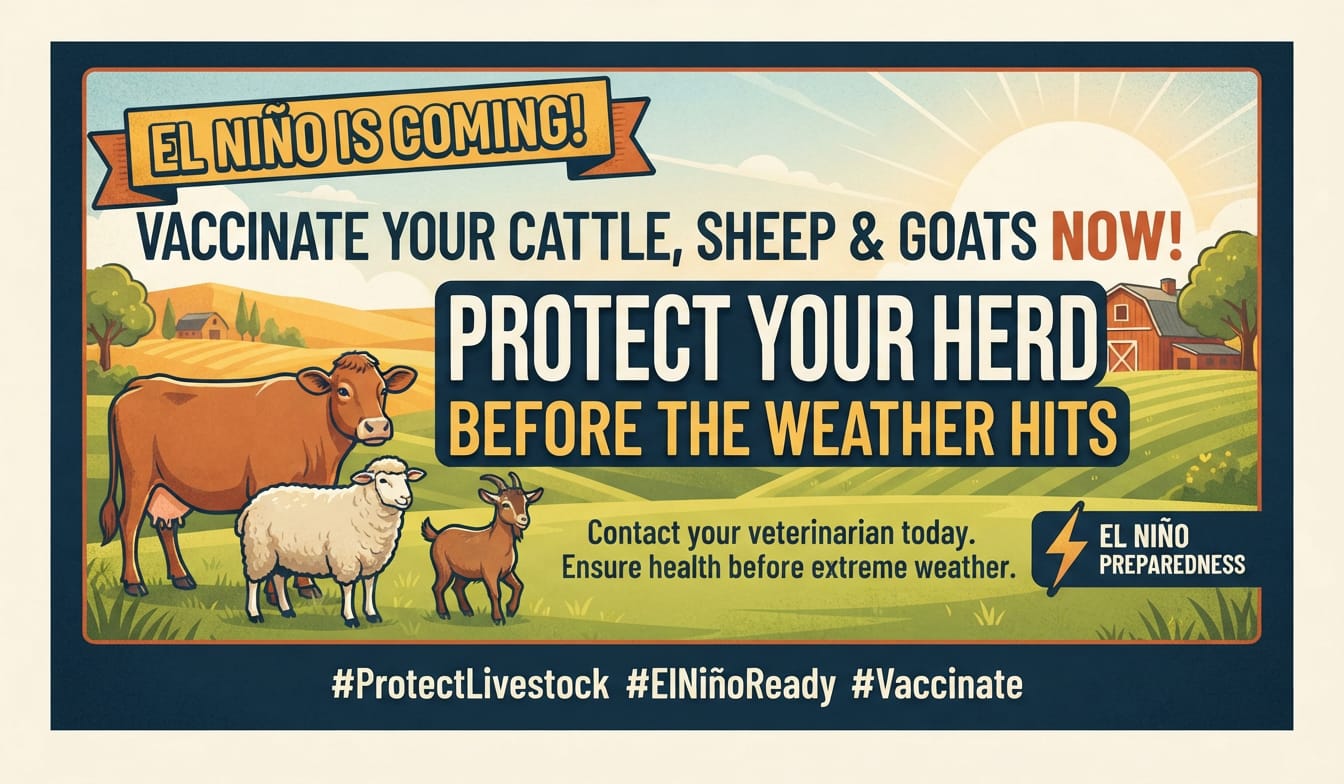
Pigeon pea - Dual-purpose survival strategy for livestock producers
Growing pigeon peas during heavy seasonal downpours like El Niño provides a dual-purpose survival strategy that safeguards both human nutrition and livestock feed security through subsequent dry periods.

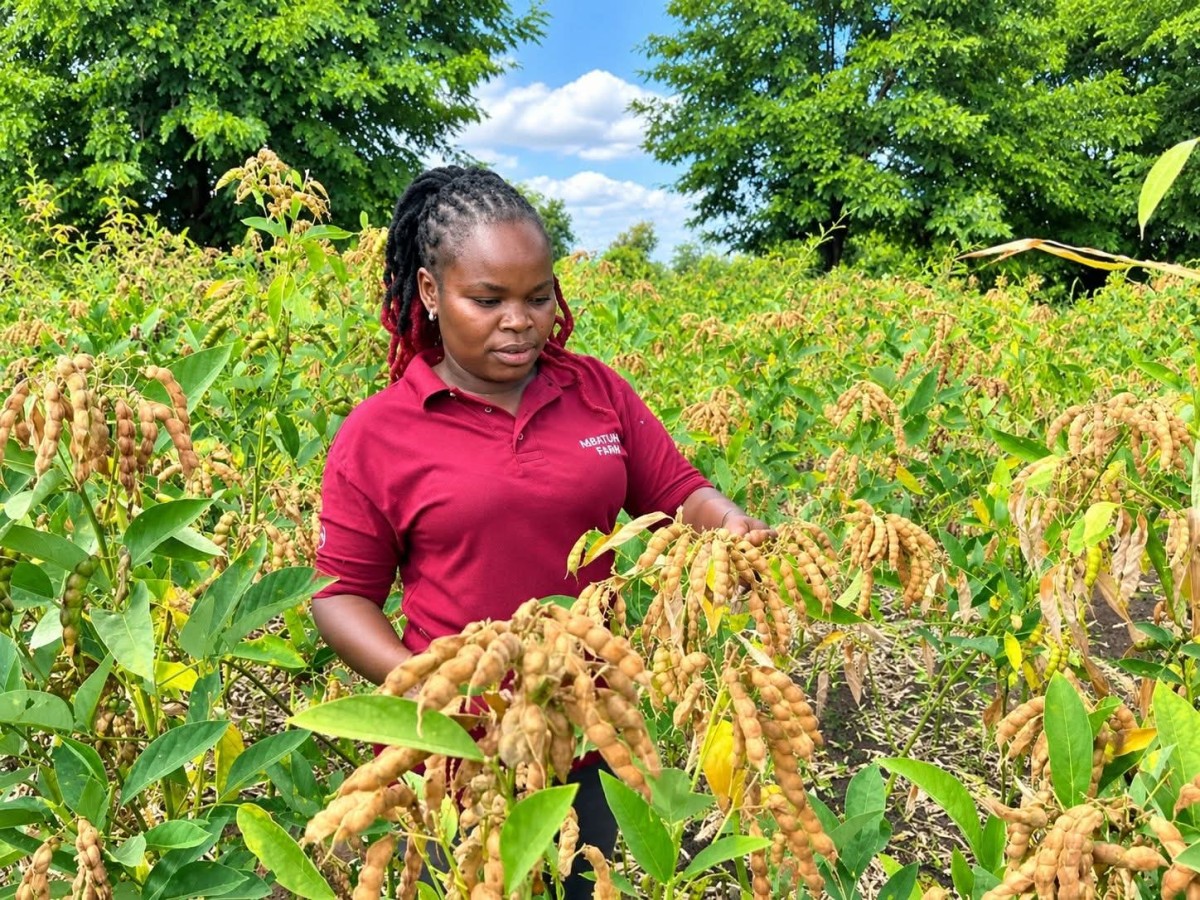
Pigeon peas supply rich dietary protein (20% to 22%) and essential vitamins, serving as a reliable household staple when mixed with maize or consumed as green vegetable pods.
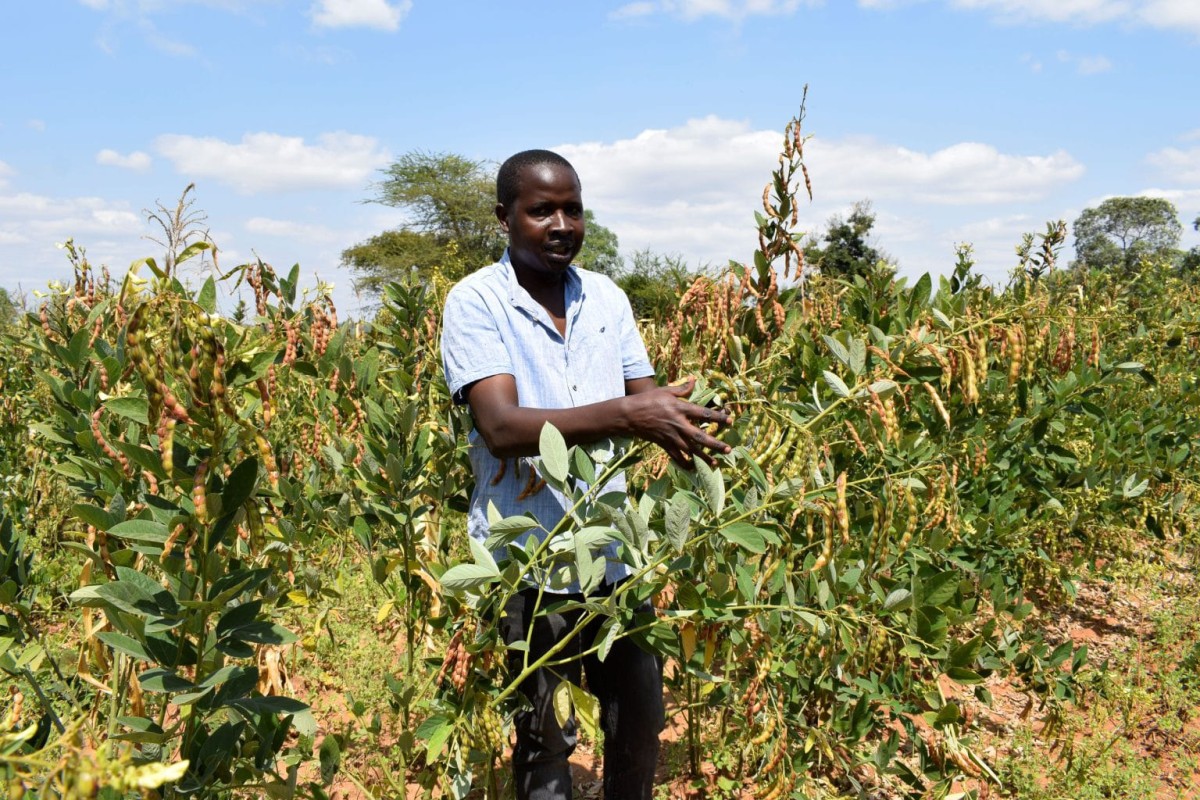
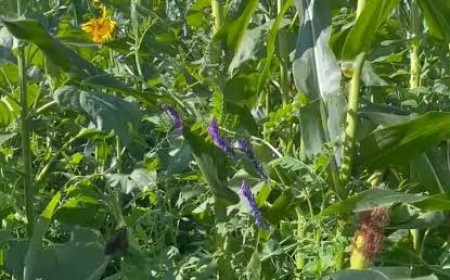
Pigeon peas plantation in ASAL regions
As a natural nitrogen-fixing legume, pigeon peas improve degraded soils, setting up the land for better harvests in future planting cycles.
Nutritious Fodder
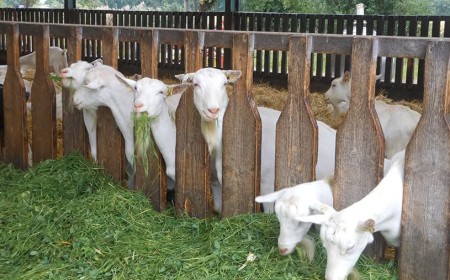
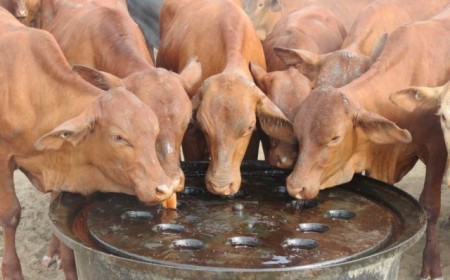
The leafy upper branches and green leaves offer high-quality, low-cost green fodder that keeps cattle, sheep, and goats strong and productive during feed shortages.
Resilience to Post-El Niño Dry Spells
While heavy rains help establish deep taproot systems, the plant survives subsequent dry spells and continues to regenerate new leafy branches even when conventional grasses wither.
Farmers can harvest grain for storage while selectively pruning upper green foliage for immediate or dried animal feed reserves.
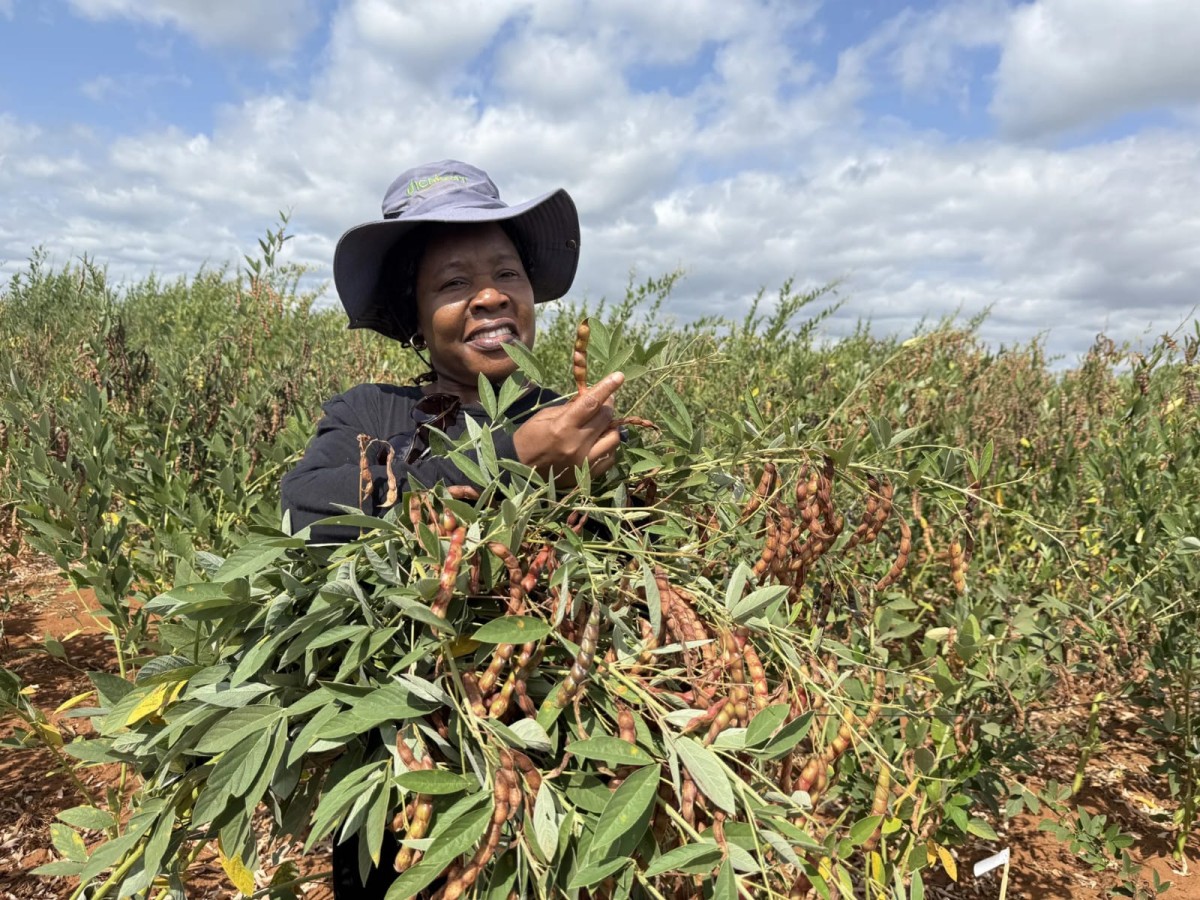
Pigeon peas plantation for both humans and livestock