
Celebrating Women in Livestock Marketing
As The Livestock Site and CKL Africa continue to advance The United Nations 2026 the International Year of the Woman Farmer (IYWF 2026) spotlighting the vital roles women play in global agrifood systems, food security, and rural livelihoods, we met Agatha Ntakajai Kimiti.
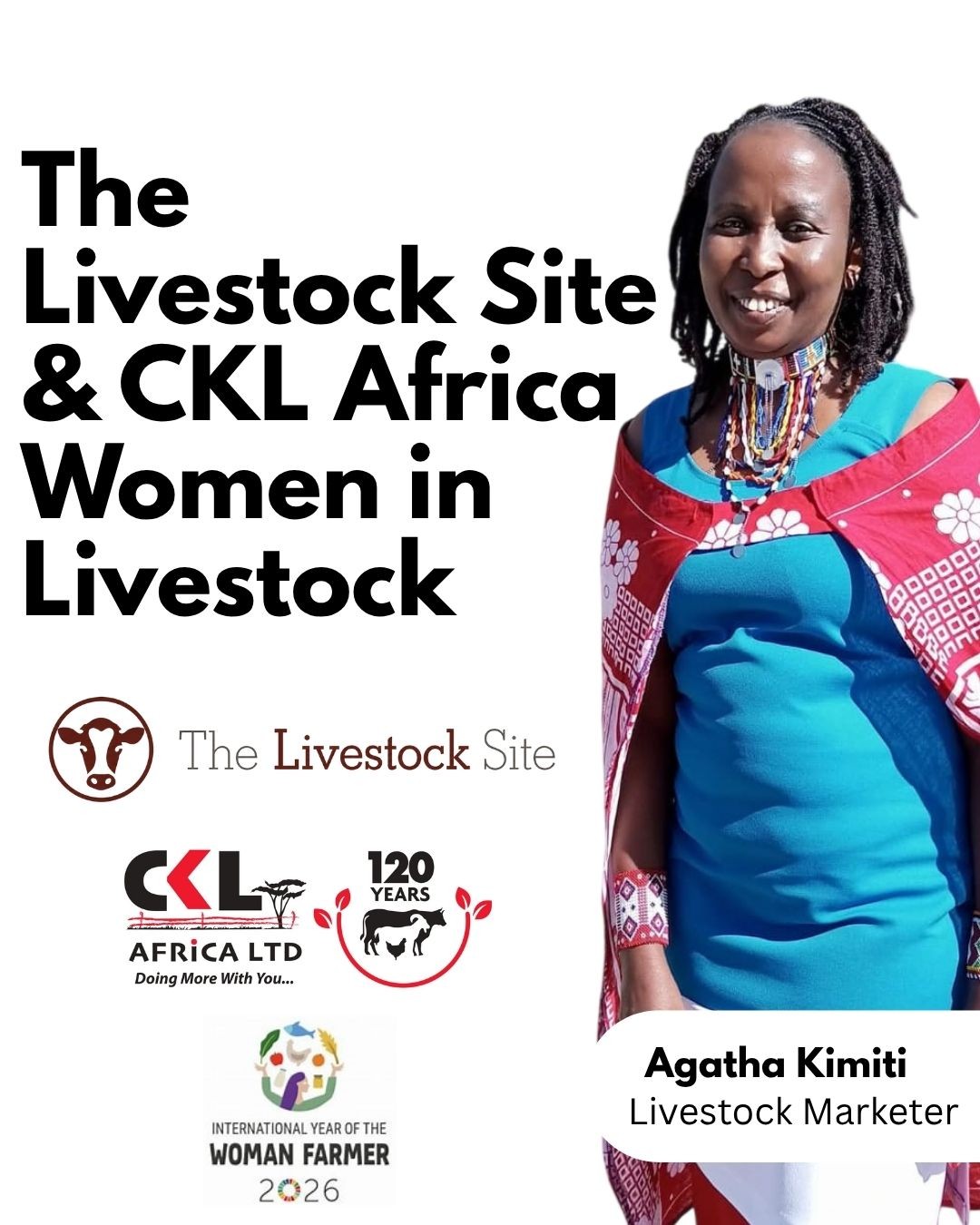
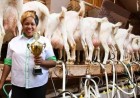
Meet AGATHA NTAKAJAI KIMITI a maasai livestock enterprenuer who runs an online livestock marketing agency servicing orders across the country.
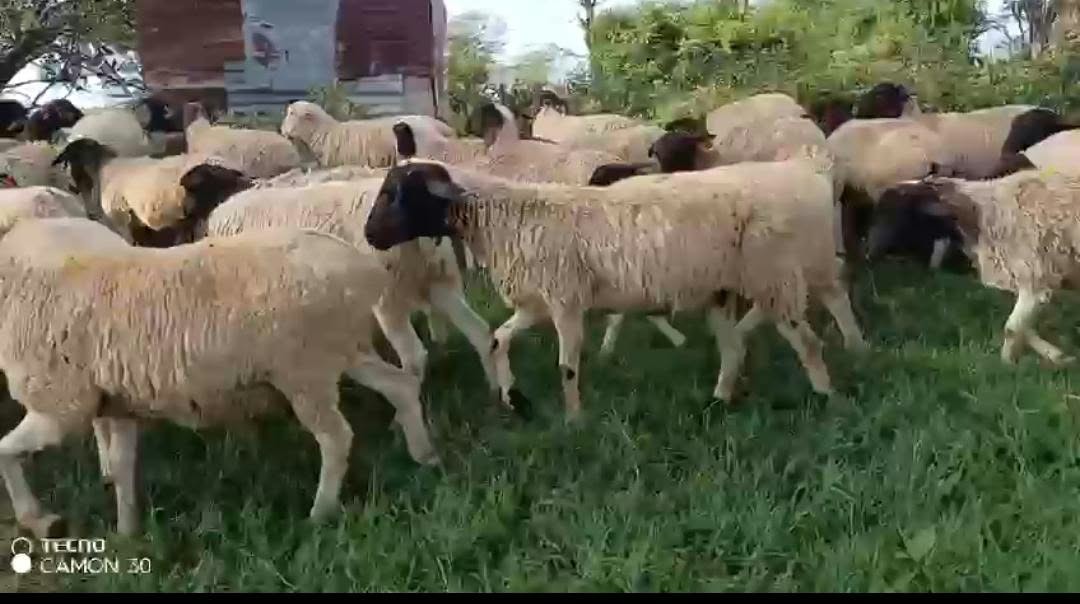
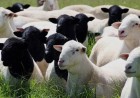
Dorper ewes
"We farms both in Kajiado East upper areas and in Emali Duka Moja areas".
Agatha is involved in scouting both slaughter and breeding animals and procurement.
" I began my journey from a place of absolute hardship and brokenness", she says.
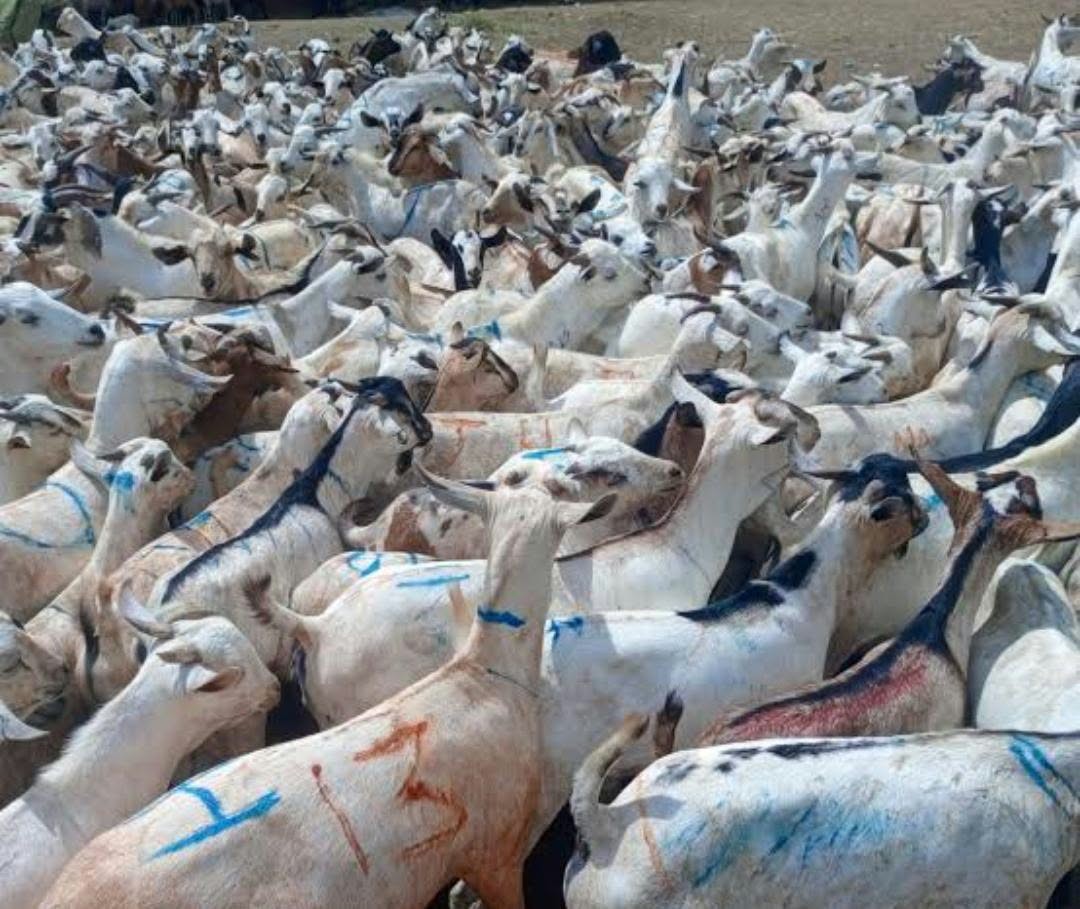
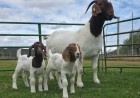
Galla goats
In our Maasai culture, livestock is everything—it is wealth, status, and identity. But it is also a world completely ruled by men.
As a Maasai woman, I was never supposed to own the cattle, let alone trade them.
I was expected to watch from the sidelines, broke and powerless, while the men made the decisions.
Desperation breeds creativity
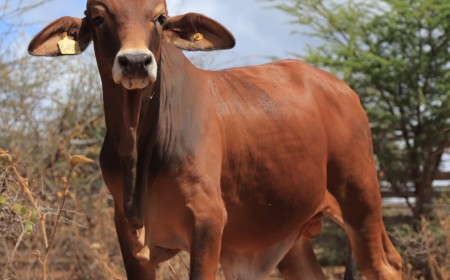
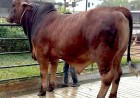
One afternoon, standing by the dusty enclosure of our family farm, I looked at our beautiful Sahiwal heifers. Their sleek, copper-brown coats caught the sunlight, and for a moment, I forgot my struggles.
I pulled out my phone and took a short, simple video of them just grazing peacefully. I didn't think much of it; I just shared it on my Facebook story as a glimpse of home.
That tiny video changed my life.
A few hours later, a notification popped up. A prominent farmer by the name of Jacob Letia Ole Kipury had inboxed me. He said he was deeply impressed by the quality of the Sahiwals and asked if I could sell him a few heads from the herd he saw in the video.
My heart raced. This was the breakthrough I needed, but it was also where the real battle began.
Excited and naive, I went to my male family friends. I shared with them that a serious buyer wanted to purchase our stock.
The reaction was exactly what I feared. The skepticism, the rolling eyes, the immediate dismissal—the unspoken rule that a woman has no business negotiating livestock deals.
The rest is history; they tried to sideline me, to take over the deal, and to push me back into the shadows.
But they underestimated the fire that brokenness had built inside me. That rejection didn't stop me—it lit a match.
Seeing that a buyer like Ole Kipury took me seriously gave me a sudden surge of courage.
I realized that the digital world didn't care about traditional gender biases. Online, my knowledge and my eye for good breeds were the only things that mattered.
Turning Point
That was the turning point. I gathered my courage, dried my tears, and officially stepped into the arena.
I began aggressively talking to people on WhatsApp, posting on livestock groups, and building my presence across other social media handles.
Every day is still a fight against a system designed to keep me out, but I am no longer that broken girl standing on the sidelines.
I am a Maasai businesswoman, and I am here to stay.
Gentlemen like CK (also known as Henry Kioko) has inspired us to venture in export markets.
Currently I have 250 galla goats good for slaughter or breeding. If interested contact Agatha on +254 727 658880.
International Year of Women Farmers 2026
"Women make up about 40% of the global agrifood workforce and over 50% in Kenya".
According to CKL Africa Beatrice Njambi, closing these gender gaps in agriculture could increase yields by 20–30%, feed an more people and raise our country GDP.