


Technical Farm Site Assessment Report: Kinanie Farm Water Buffalo Trial Integration
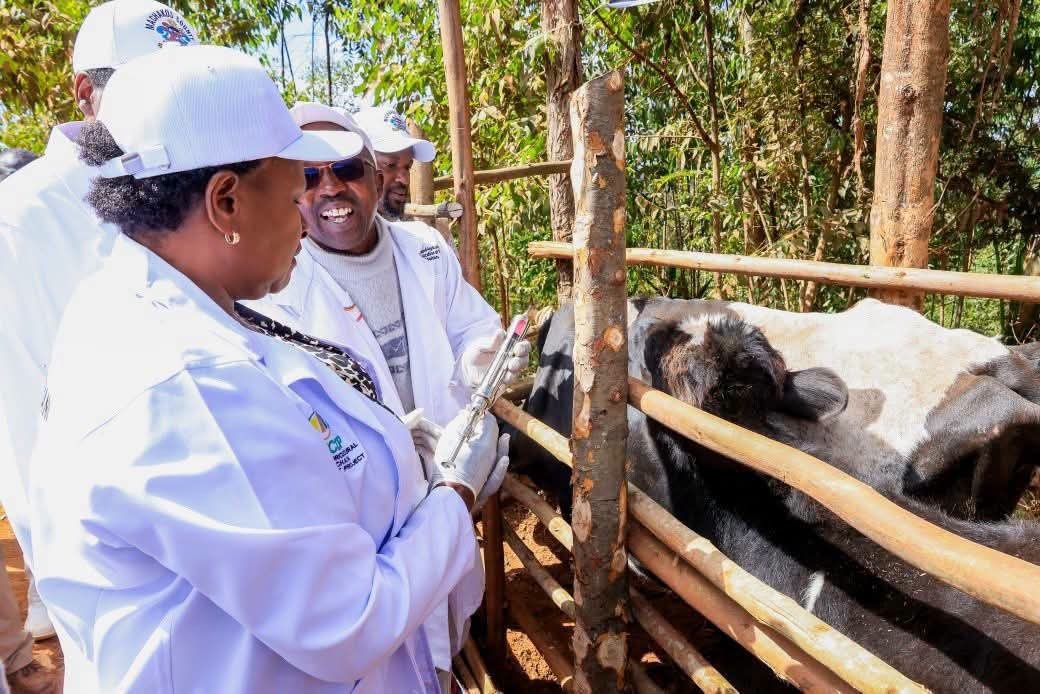
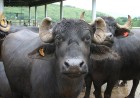
Agriprenuer Governor Wavinya Ndeti keen on her first water buffalo for an experimental trial at her Kinanie Farm to diversify the estate's high-value livestock portfolio.


As an active food and livestock producer, the Governor is positioning her enterprise to pioneer water buffalo farming in the region.
Following a recent technical site visit conducted by livestock enterprise strategist Henry Kioko, this report outlines the strategic recommendations required to support a sustainable operational flow for this new enterprise.
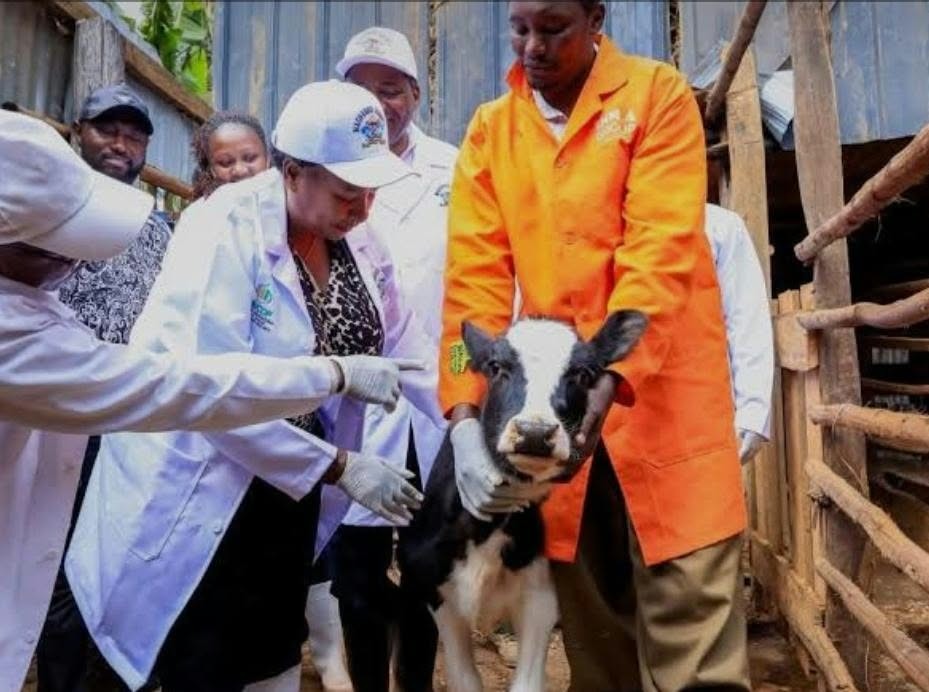
Gov. Wavinya at her farm.
Strategic Resource Advantages
Kinanie Farm possesses an exceptional natural layout that heavily mitigates the primary challenges of introducing water buffalo (Bubalus bubalis).
Abundant Water Supply Water buffaloes require wallowing areas or consistent misting/spraying systems for thermoregulation, especially in warmer climates.
The farm's plentiful water resources guarantee adequate supply for animal welfare.
Irrigated Fodder Production The reliable water access supports the intensive irrigation of Alfalfa (Lucerne) and other high-protein fodder crops, ensuring a premium, consistent nutritional pipeline.
Technical Strategy & RecommendationsTo ensure a smooth transition and maximize productivity during the trial phase, the enterprise strategist highlighted three critical pillars.
Biosecurity Measures Introducing a new, atypical species requires strict disease prevention protocols to protect both the new stock and existing livestock assets.
Isolation and Quarantine Establish a dedicated quarantine pen far from existing herds to observe the water buffalo for at least 30 to 45 days upon arrival.
Vector Control Implement strict tick, fly, and parasite control programs, as buffaloes can be susceptible to local blood-borne protozoan diseases.
Access Control Restrict human and vehicle traffic to the trial zone, utilizing footbaths at all entry points.
Fodder Security
Water buffaloes are highly efficient converters of low-quality fibrous forage, but high-yielding dairy or meat production requires premium nutrition.
Staggered Alfalfa Harvesting Develop a strict rotational cutting schedule for the irrigated Alfalfa to ensure a year-round supply of fresh, high-protein forage.
Silage Buffering Conserve surplus fodder during peak production periods as silage to serve as a security buffer against any unforeseen seasonal dips.
Mineral Supplementation Formulate specialized macro and micro-mineral rations tailored to water buffalo requirements, focusing on calcium and phosphorus balance.
Farm Layout Options
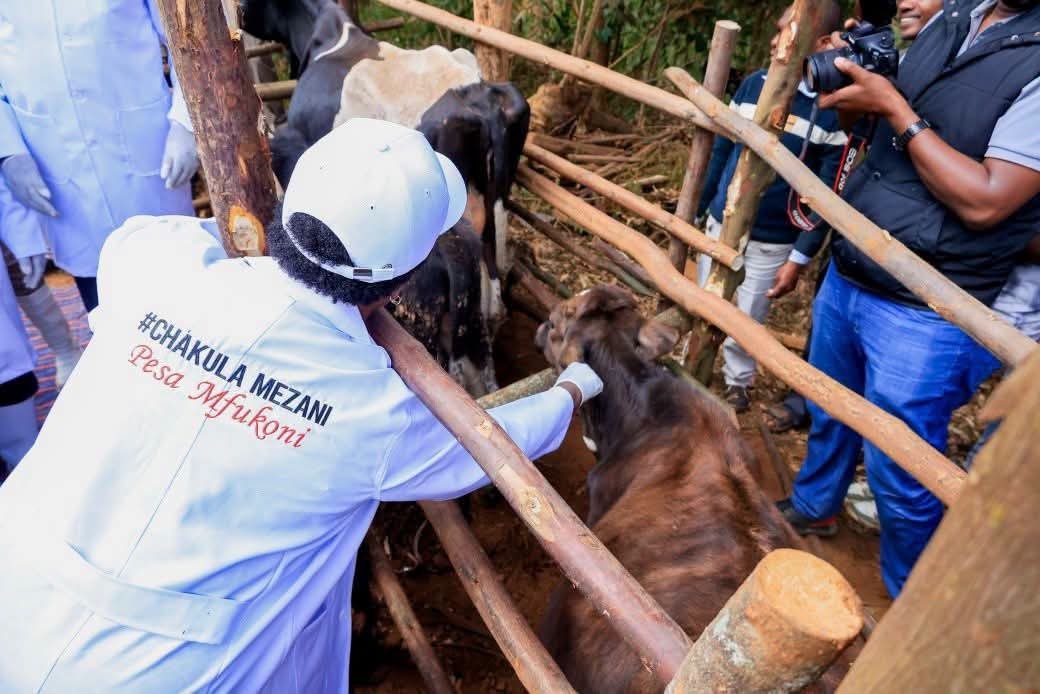
The structural design must accommodate the unique physical behaviors of the water buffalo, including their heavy weight and need for cooling.
Wallowing and Cooling Zones Construct a dedicated concrete wallowing pond with a reliable drainage/flushing system, or install an overhead shade structure equipped with automated water sprinklers to prevent heat stress.
Reinforced Fencing Water buffaloes are strong, robust animals. The trial layout should feature reinforced pole-and-chain link or high-tensile electric fencing to establish secure boundaries.
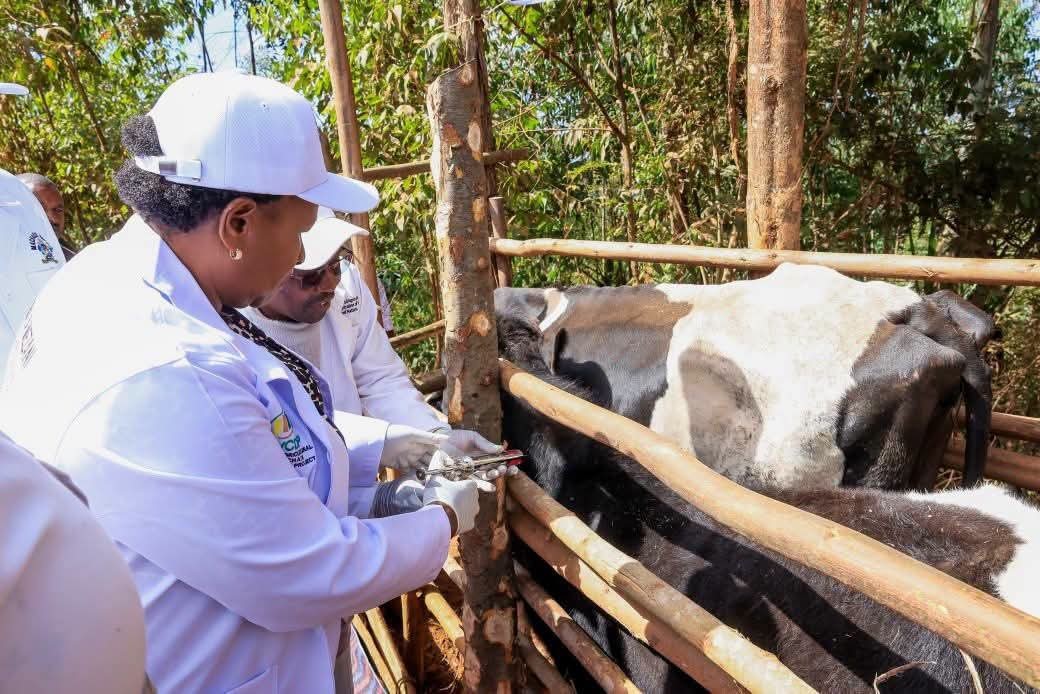
Streamlined Handling Facilities Design a dedicated crush and race system tailored to their unique horn and body morphology to facilitate safe veterinary interventions and routine management.
Conclusion & Next Steps
Kinanie Farm is highly viable for a water buffalo enterprise due to its robust water infrastructure and fodder capacity.
By implementing the recommended biosecurity boundaries, structuring the farm layout to respect the animals' thermal needs, and locking in fodder security, Governor Wavinya Ndeti's trial is structurally well-positioned for success.