
Can One Feed Cull Cows, Sheep or Goat for Profit?
The question can feeding cull cows, sheep, or goats for profit is a going concern among feed lotters.
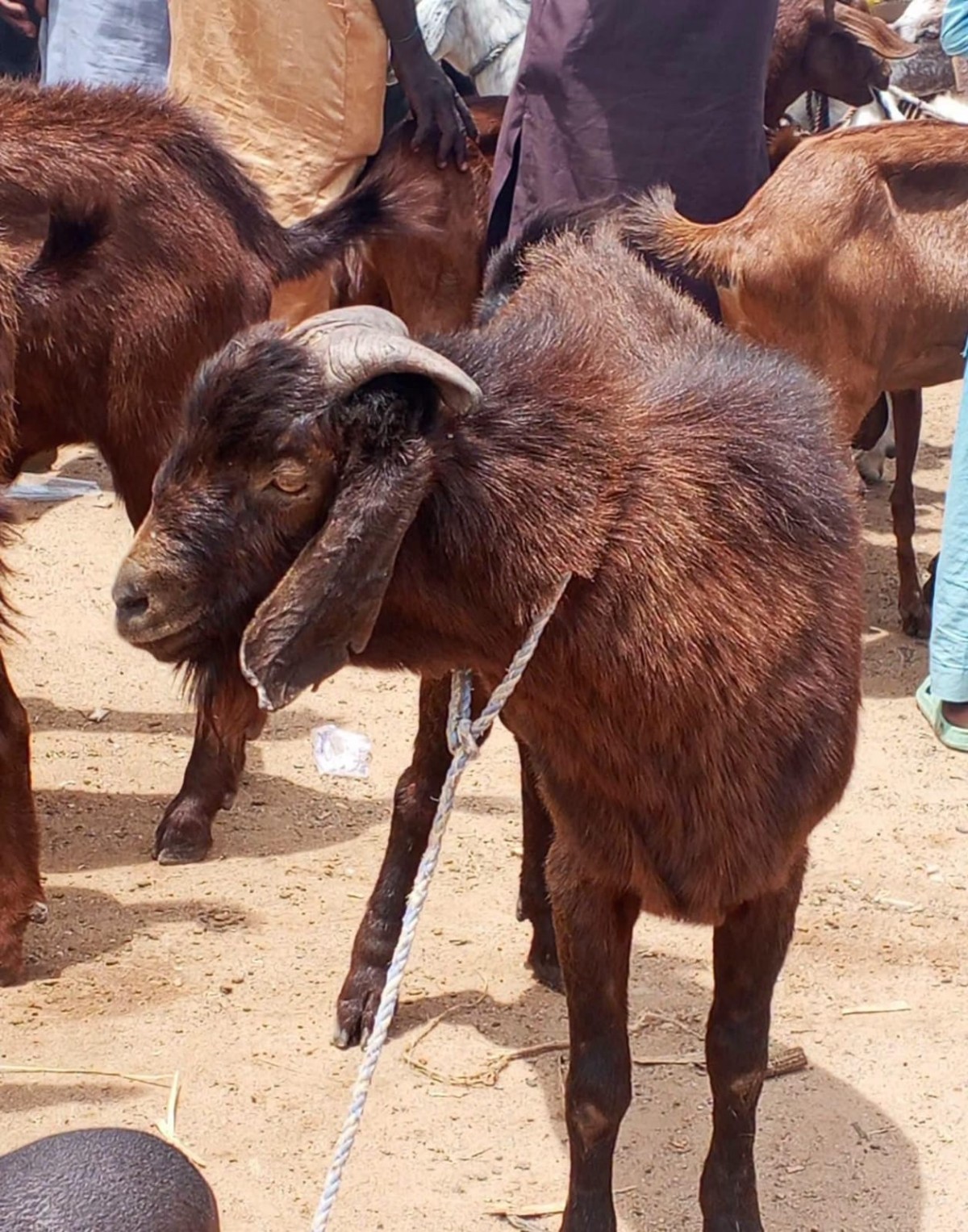
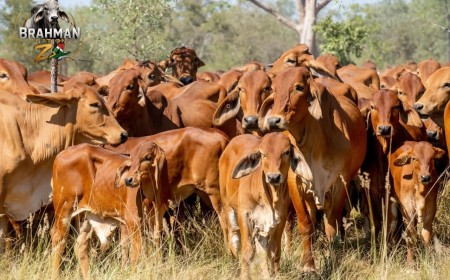
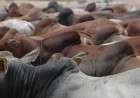
Experts admit it's possible but it depends heavily on feed costs, the animal's age and health, and the price difference between thin and finished weights.
Salvage Value vs Feed Cost Adding body condition to thin cull animals can boost their market or carcass grade. However, the cost of grain, forage, labor, and health care can easily exceed the added weight value if the feeding window is too long or feed is expensive.
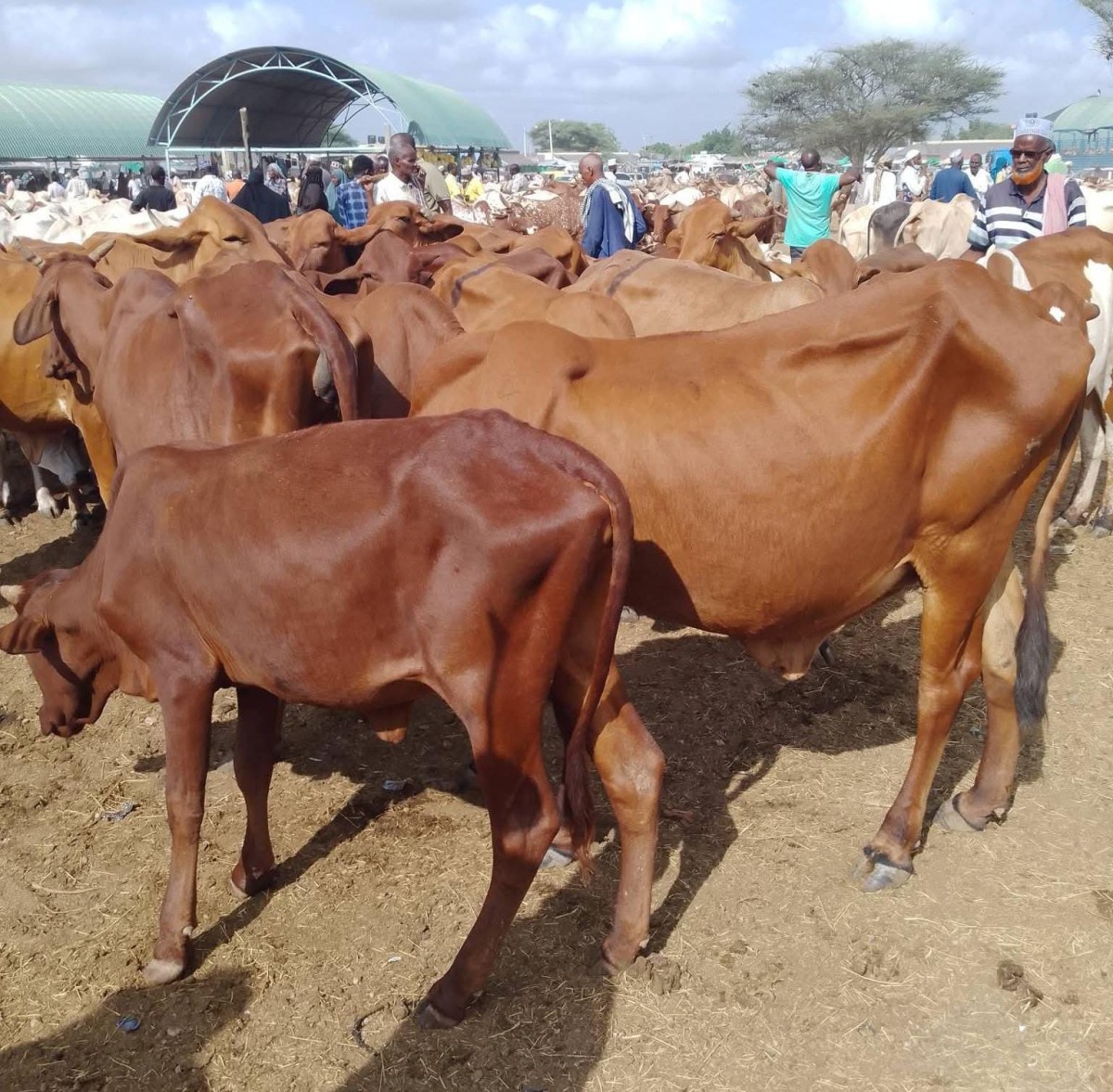
Farmers currently culling ahead of drought threat and delayed rains.
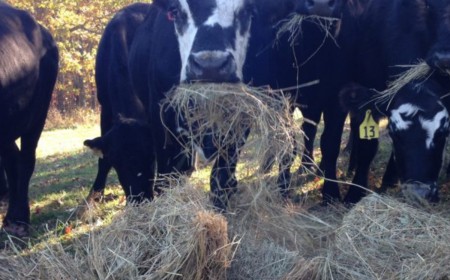
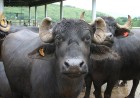
Body Condition Scoring (BCS) For cattle, moving a thin cow from a low grade to a higher grade can increase returns, though feed prices and market risks dictate whether you profit.
The "Too Old to Fatten" Trap Older animals—especially sheep and goats past four years of age, or those with worn-down teeth—convert feed into weight very poorly and are generally not worth fattening. It is often more profitable to cull and sell them immediately rather than spending money trying to put weight on a declining animal.
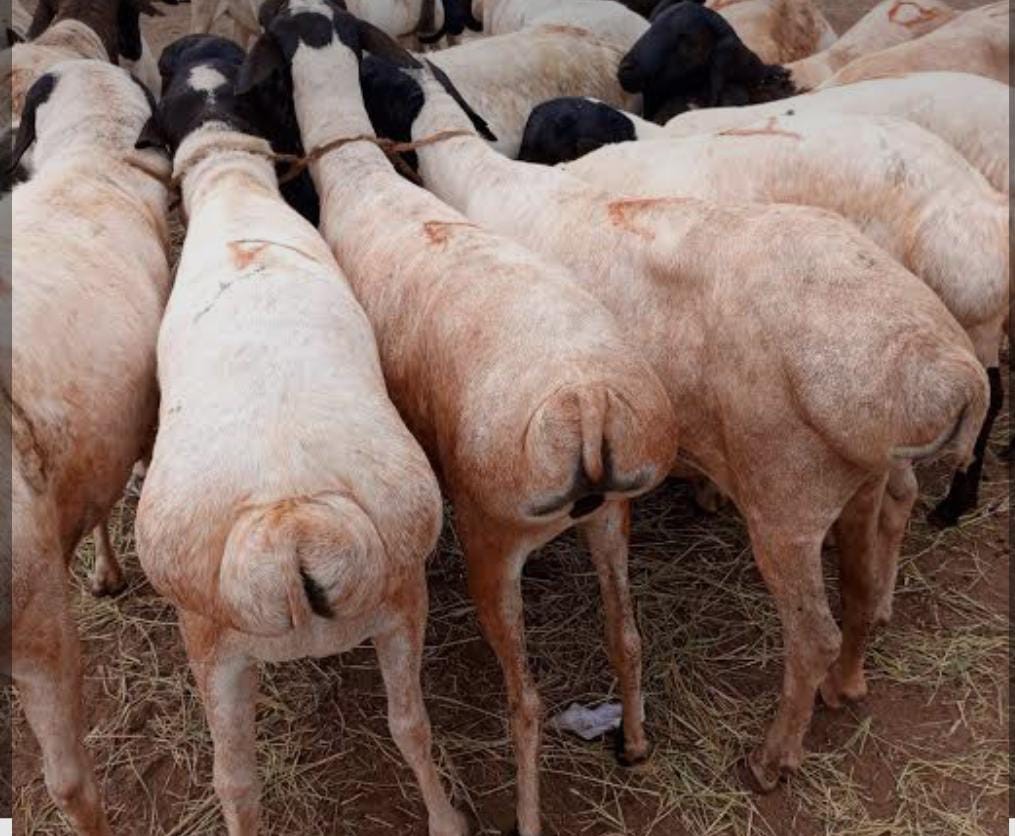
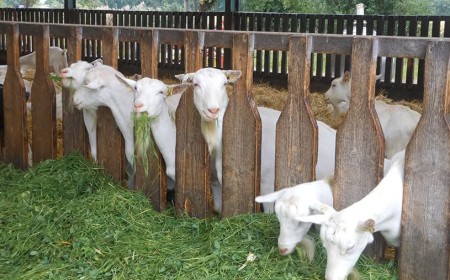
Sheep are grazers current drought leads to culling
What is Culling?
Culling cows, sheep, and goats is an exercise of removing low-performing, old, or unhealthy animals from your herd or flock to protect overall productivity, health, and profitability.
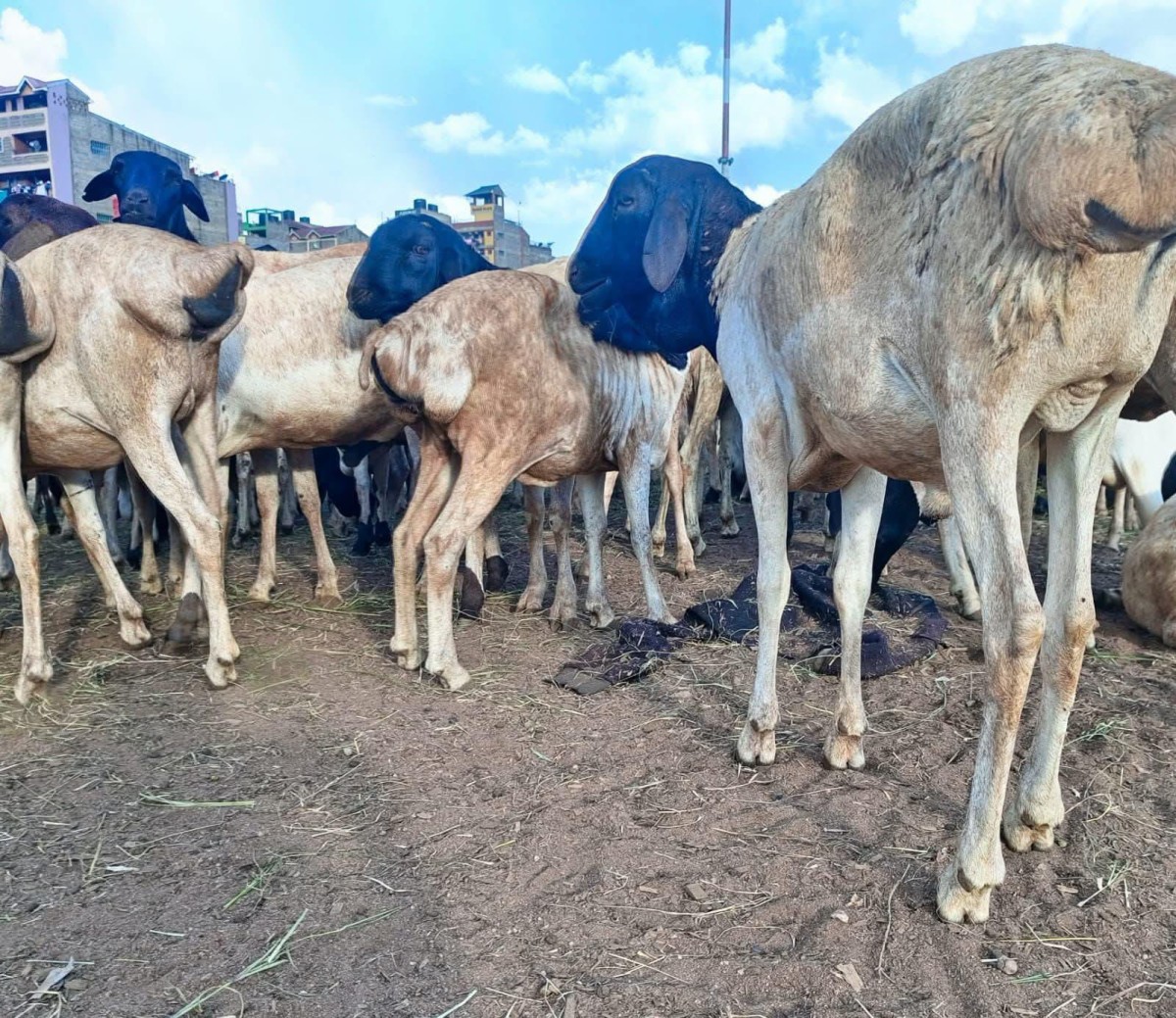
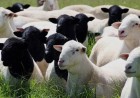
Culled Blackhead Somali Sheep.
For example, with the unpredicatable rains, droughts or severe feed scarcity, farmers are adviced to cull non-productive or marginal stock first so they can feed their core, high-producing animals.