

Animal Health: Strengthening Resilience Pre & Post Elnino
There has been a lot of talk about El Niño impacting East Africa in the coming months.

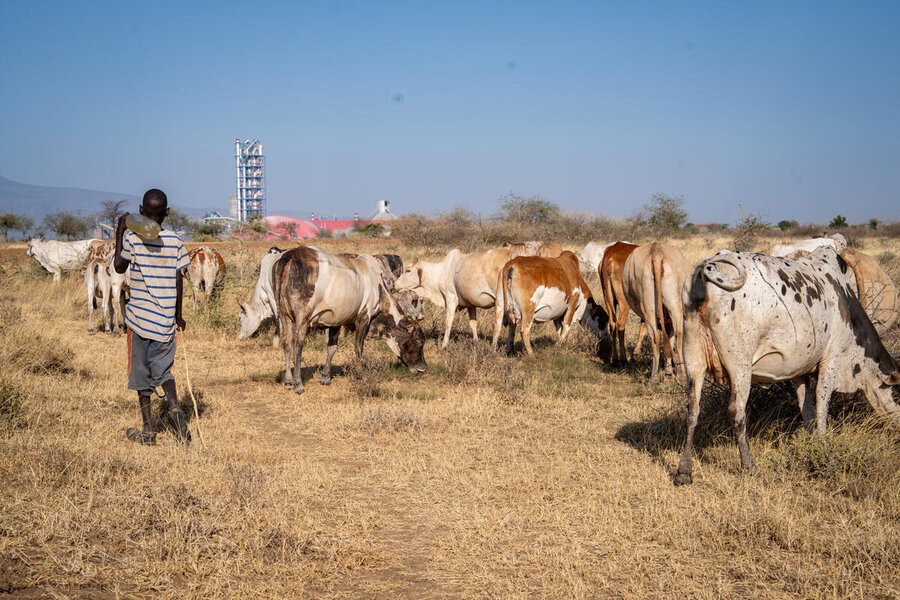
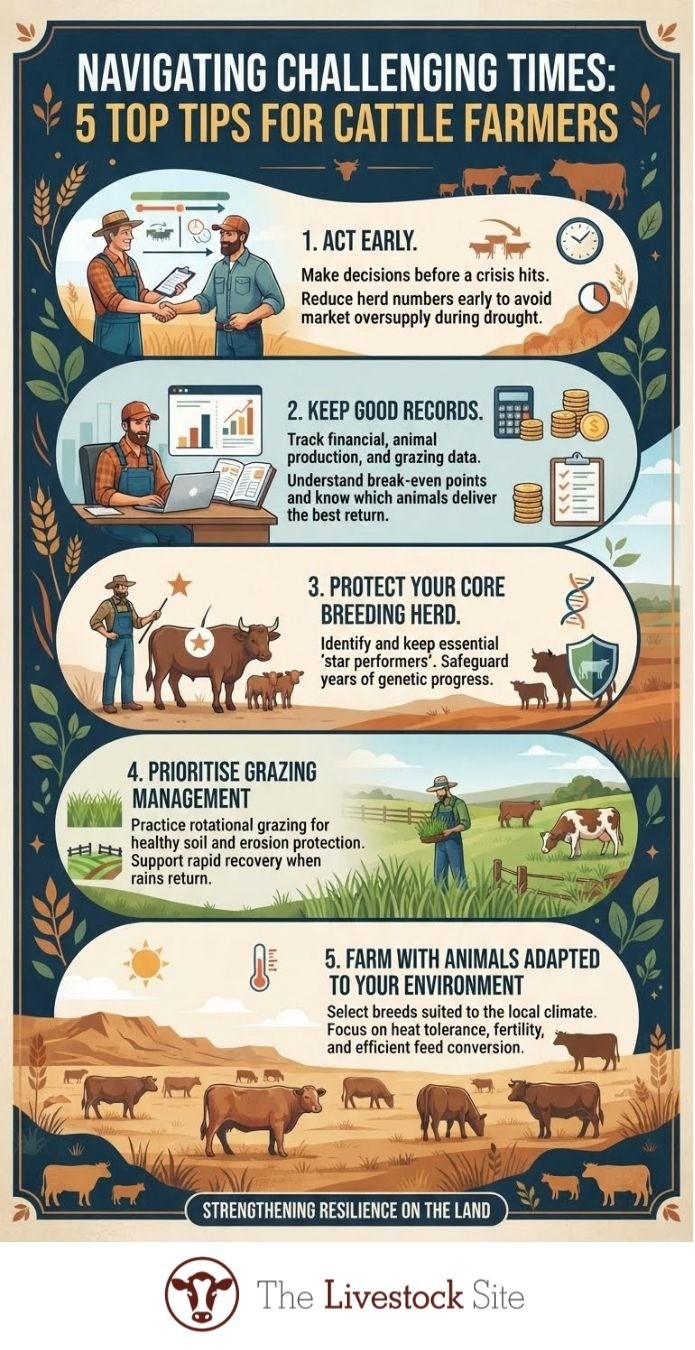
Investing in proactive approach like the ants in the classic children’s fable about the power of preparation, can put farmers in a stronger position to navigate uncertainty, no matter what the weather brings.
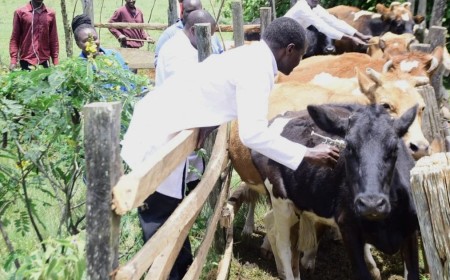
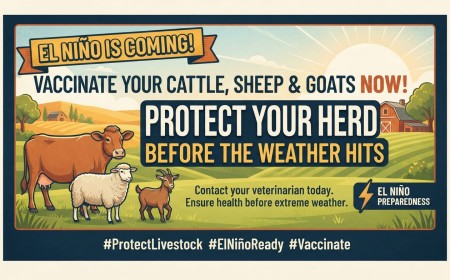
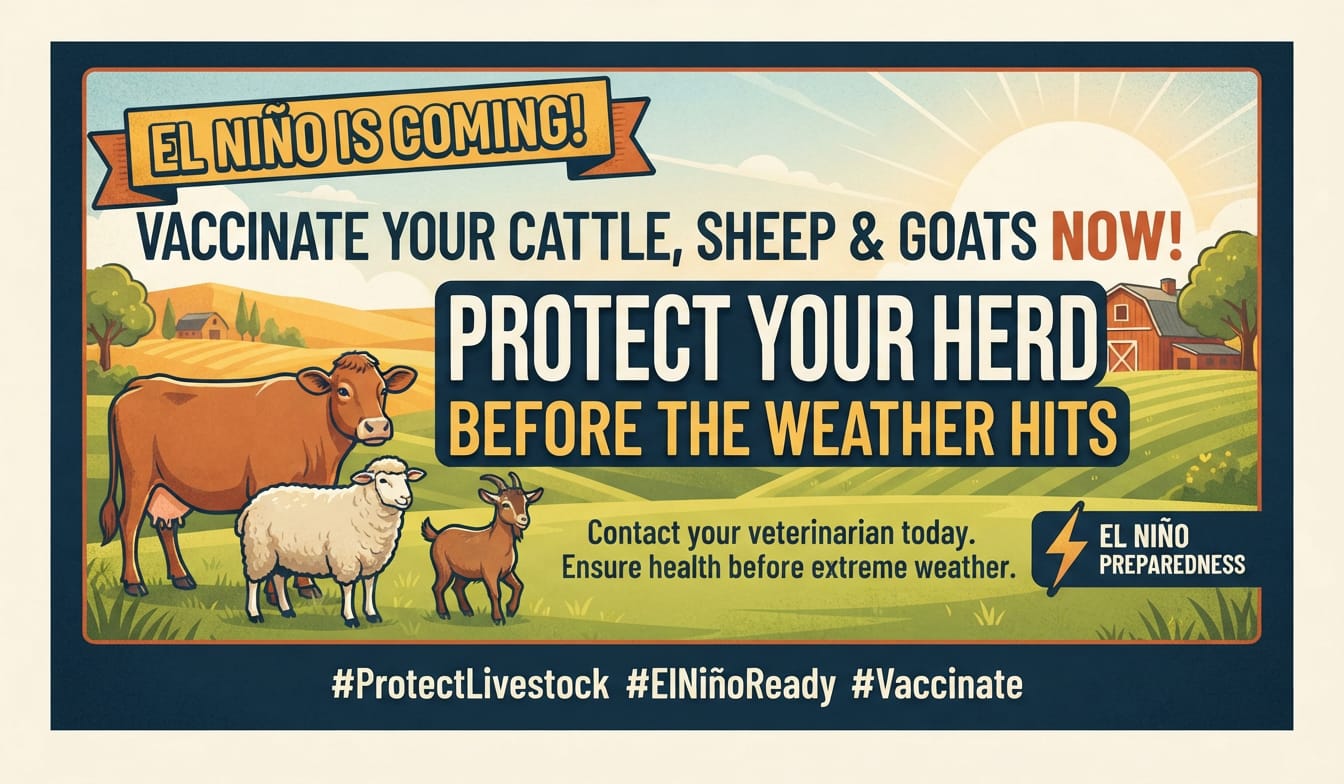
Livestock farmers must vaccinate their animals well before El Niño-induced heavy rains and flooding begin, as wet conditions sharply increase vector-borne and waterborne disease risks.
Key Vaccination and Timing Tips
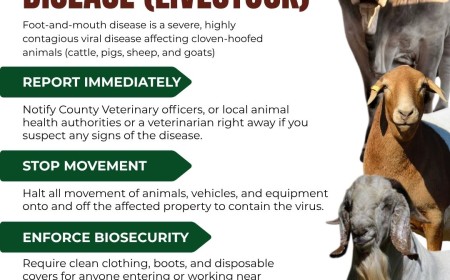
Target High-Risk Diseases Early Focus heavily on vaccines for Rift Valley Fever (RVF), Contagious Caprine Pleuropneumonia (CCPP), and other regional clostridial or respiratory diseases.
- Time the Doses Properly
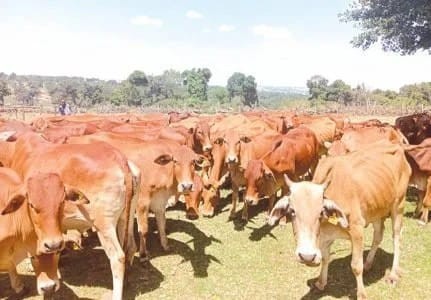
Complete your full vaccination schedule at least 2 weeks prior to the onset of heavy rains or projected flooding so the animals can build peak immunity. - Collaborate with Veterinary Authorities
Engage local county veterinary officers early. - Protect the Cold Chain
Store all vaccines strictly between 2°C and 8°C in a working refrigerator or cooler box. Avoid freezing or exposing vaccines to fluctuating temperatures, which destroys their effectiveness. - Use Proper Administration Techniques - Vaccinate on a dry day using clean, calibrated equipment, sharp/fresh needles for each animal, and exact dosages as specified on the product leaflet. Avoid vaccinating animals that are already severely stressed or sick, as their immune response will be weak.