
REPORT: Severe Genetics Shortage, Delayed Breeding Cycle ,Escalating Unbearable Genetics Value and Cuts Off Kenya as a Source for Genetics.
The temporary import ban on South African cloven-hoofed animals has triggered a severe livestock genetics shortage in Kenya, causing a steep spike in localized genetics prices and threatening the competitive edge of the country’s livestock genetics sector across the region.
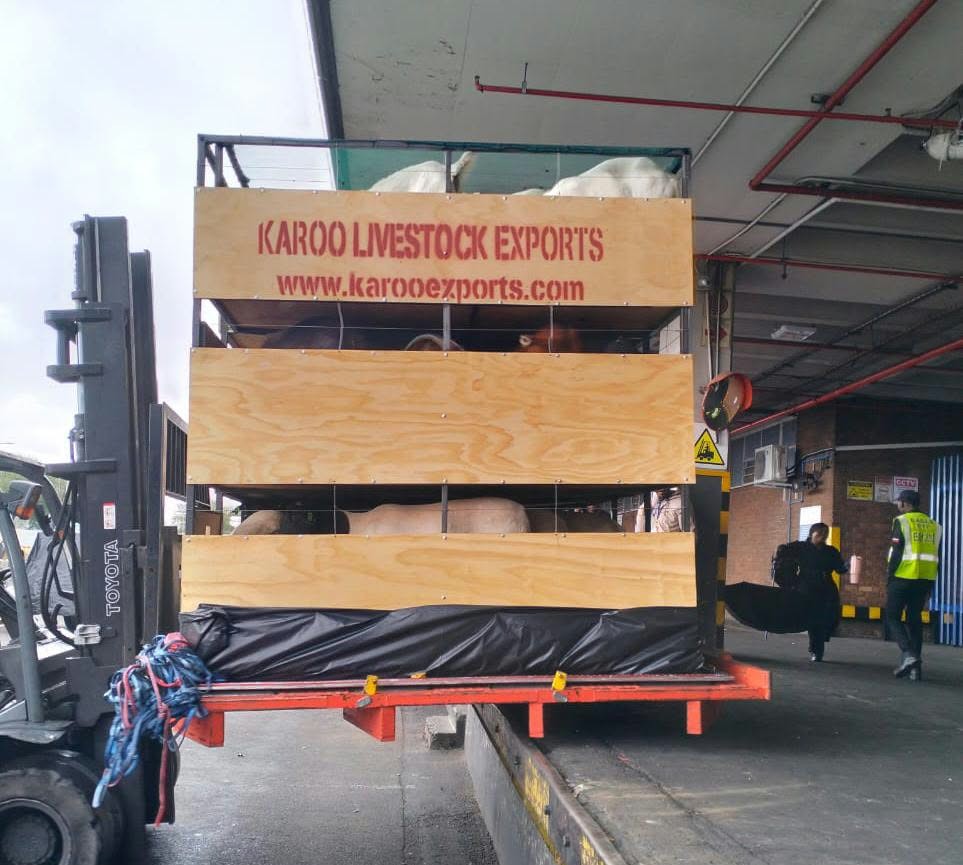
Kenya enacted the restriction following widespread Foot-and-Mouth Disease (FMD) outbreaks in South Africa. It abruptly cut off Kenya's primary regional source of superior breeding cattle, sheep, and goats.
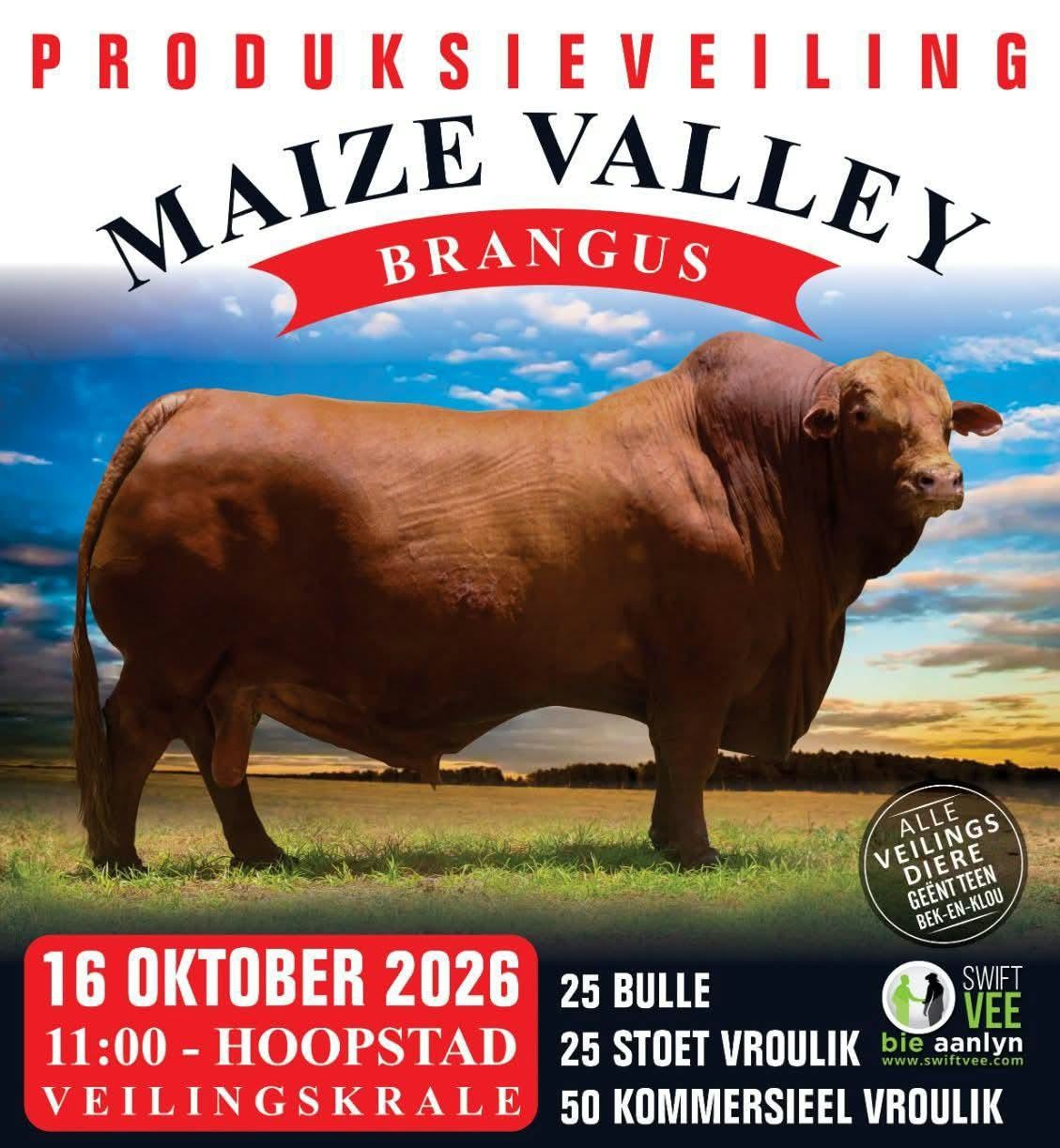
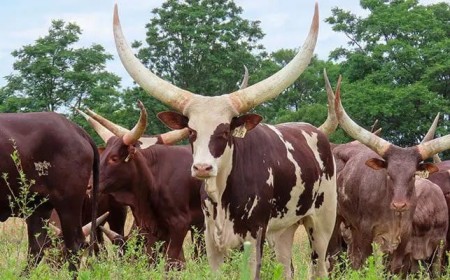
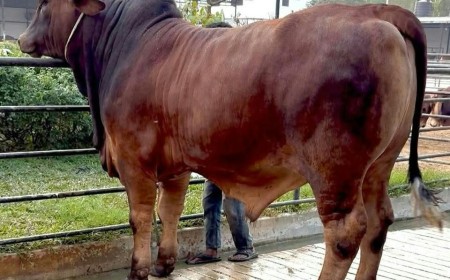
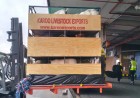
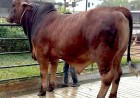
Maize Valley Brangus Stud auction held recently in South Africa.
Delayed Breeding Cycle
The unexpected freeze disrupted the replacement cycle for aging livestock.
"Farmers are currently unable to replace aging livestock, leaving herds stagnant just as animals enter their crucial mating cycles".
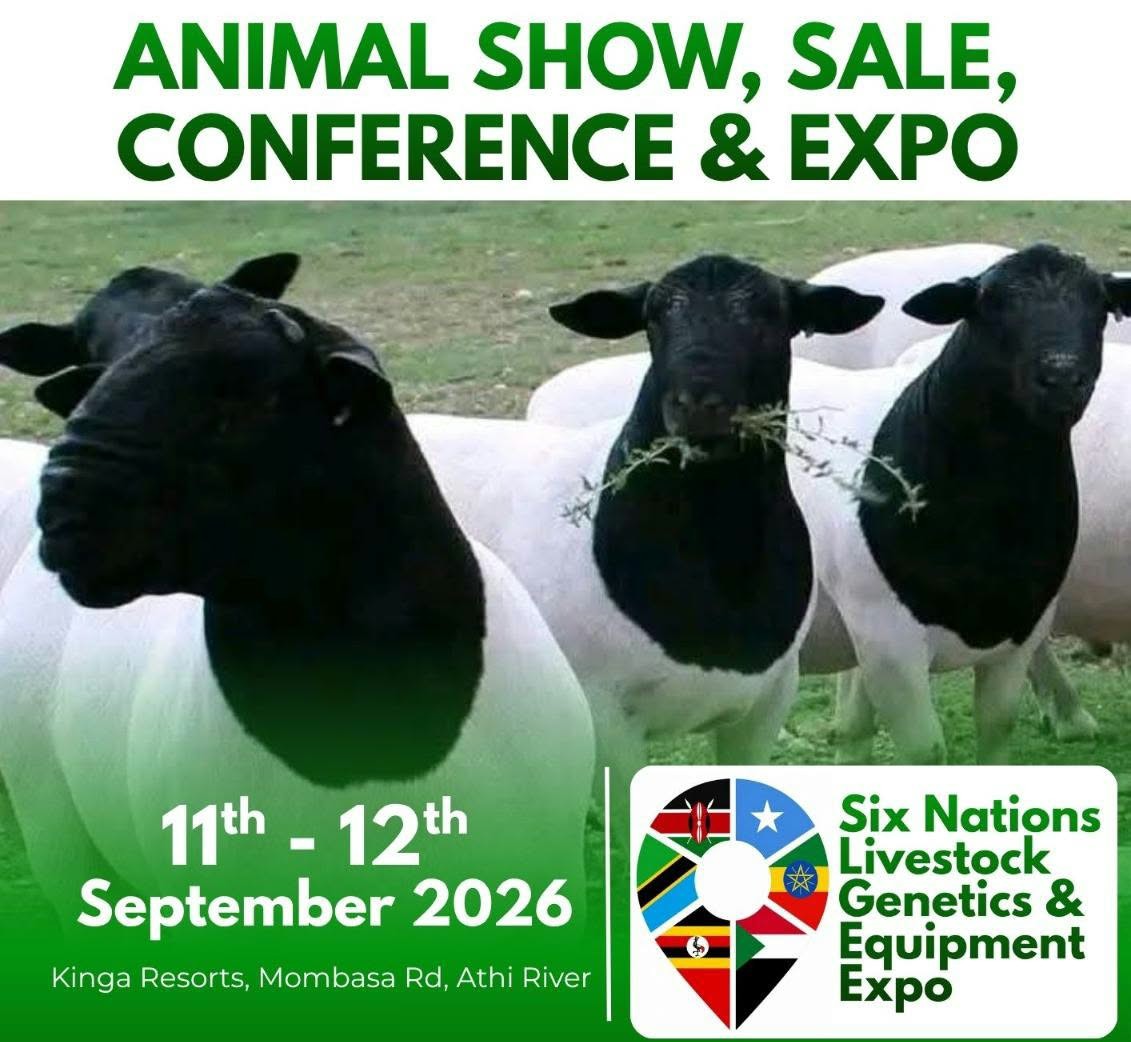
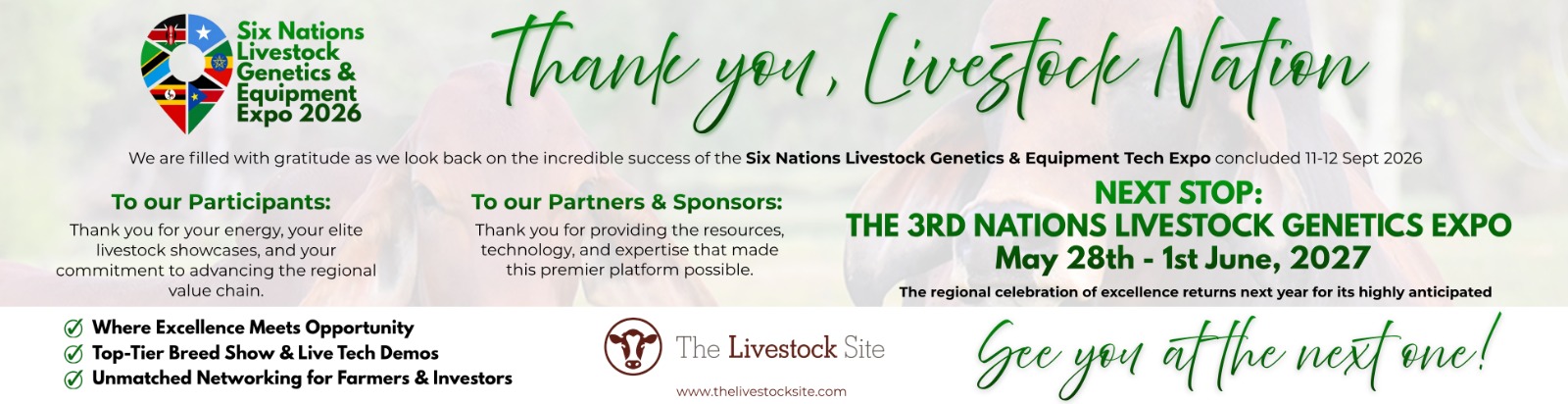
East Africa Regional Events driving Kenya as leading genetics source.
South Africa Chief Veterinary hurdle
The ban highlights a critical vulnerability in East Africa's livestock economy as disclosed in a communication between the South Africa High Commission office and Karoo Livestock South Africa representative based in Kenya.
"Due to a temporary import ban imposed by Kenya following Foot and Mouth Disease (FMD) outbreaks in South Africa, Kenyan farmers have faced a severe genetics shortage throughout this year", affirms Karoo Livestock South Africa Rep and and livestock importer Henry Kioko.
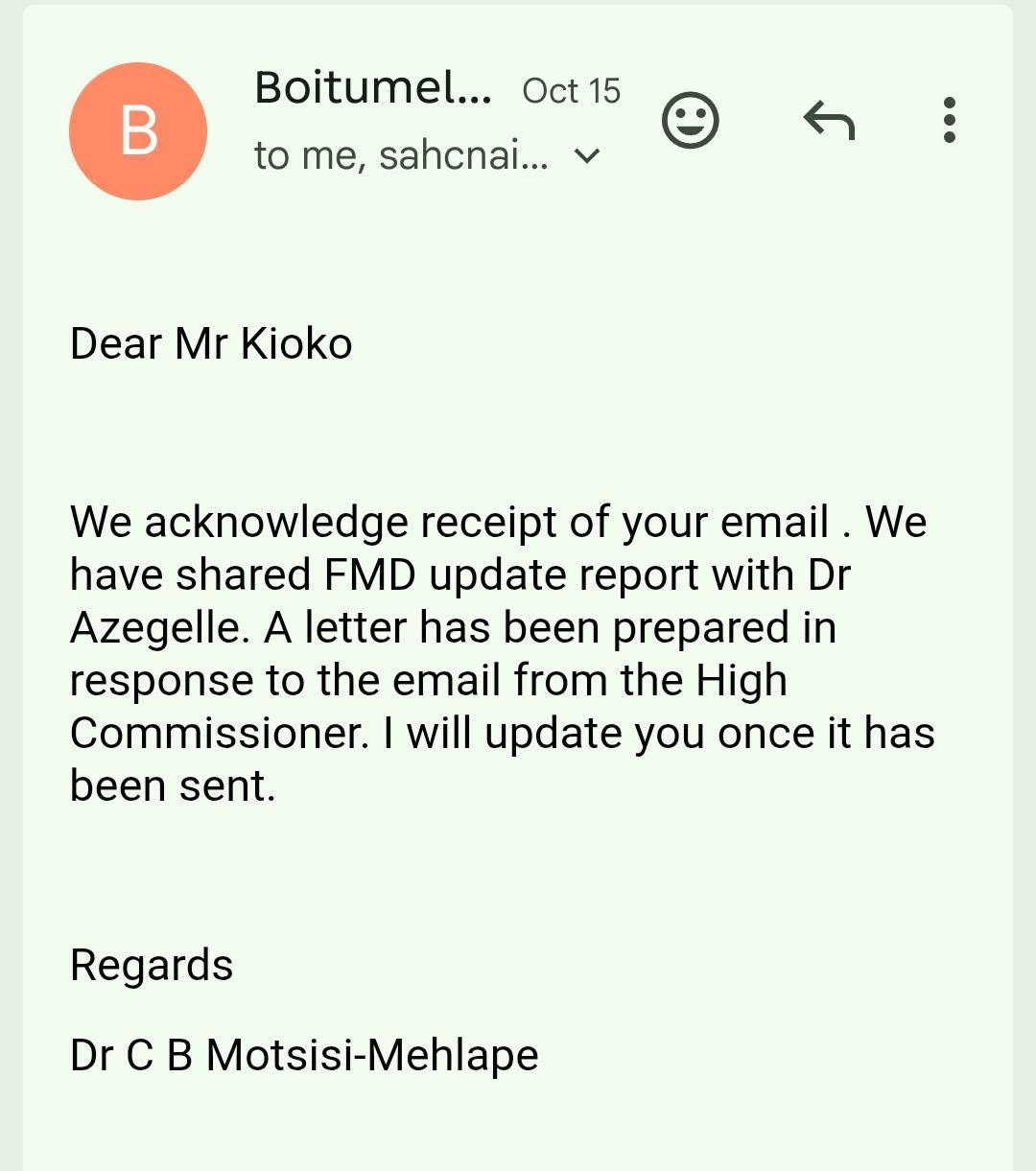
As disclosed to the South Africa High Commission by Kenya's importers, the problem is with the Chief Veterinary Office in Pretoria failure to respond to Kenya's counterpart Director of Veterinary Services Dr. Allan Azegelle official communication to invite Kenya's DVS experts to access the situation in SA.
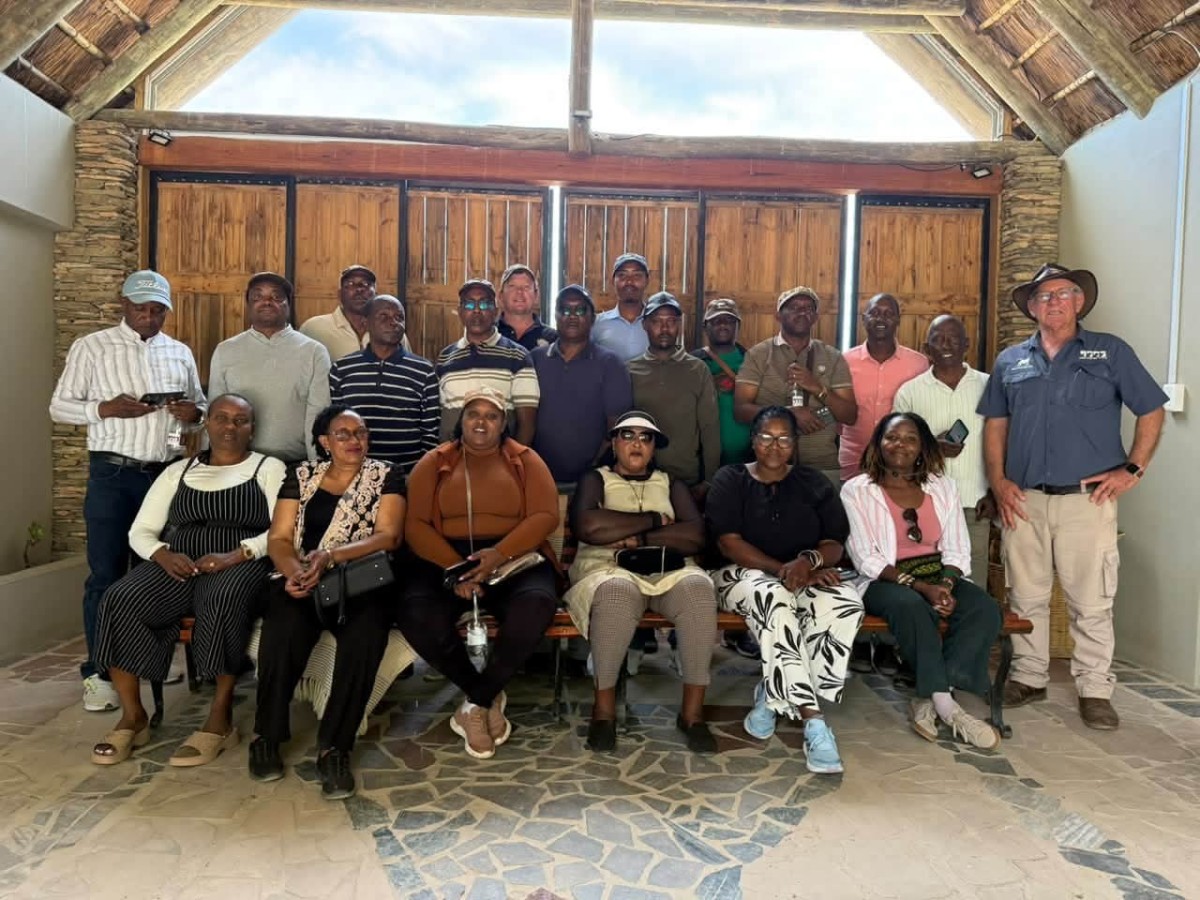
21-22 October, a farmers delegation from Kenya visited Chandelier and Karoo Livestock. The delegation plans to import top-quality goat and sheep genetics, from Karoo Livestock, to Kenya, as soon as borders reopen.
"Kenyan farmers continue to suffer as their animals bought as early as December-January 2026 continue to attract large sums of fines at the hired quarantine facilities".
Farmers who sourced animals from top stud farms like Karoo Livestock Chandelier farm and Maize Valley Stud farms are secure as their animals multiply without extra quarantine fees.
According to Kenya importers, the Chief Veterinary in Pretoria is the problem here.
"We have appealed to the South Africa High Commission to intervene", according to disclosed communication with South Africa High Commission Nairobi.
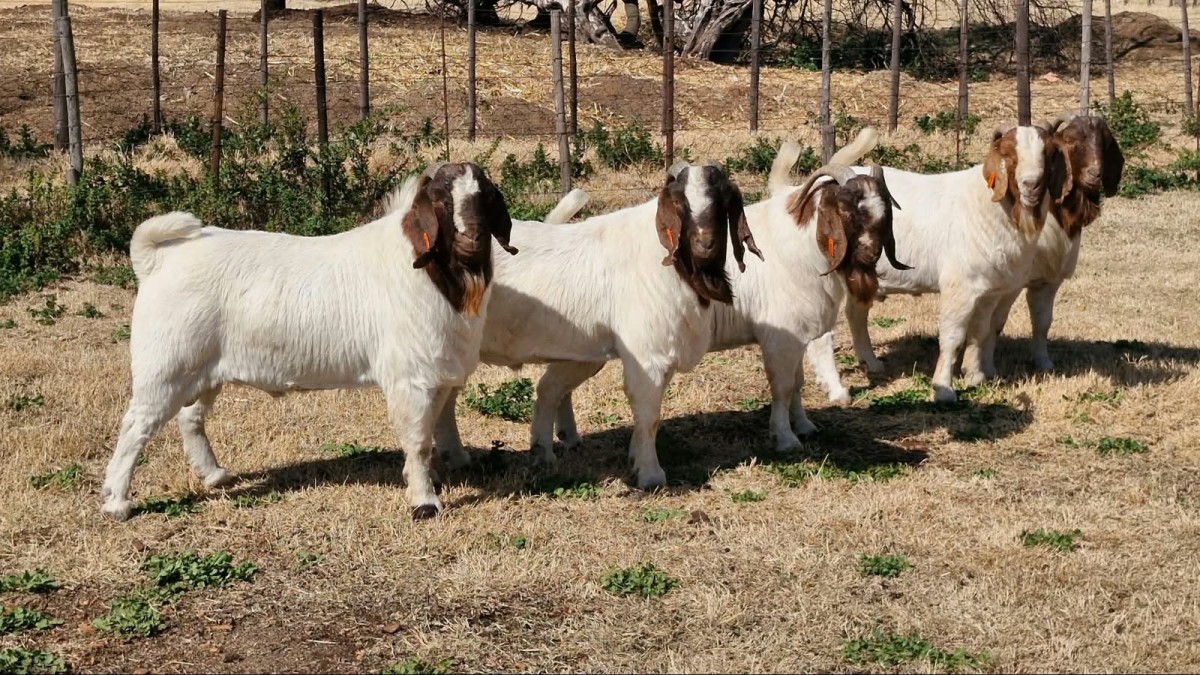
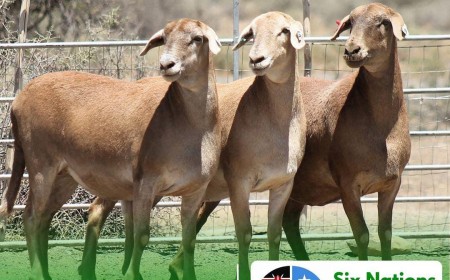
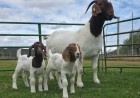
Boergoat Bucks for sale at Kuruman Showgrounds Albie Horn farm.
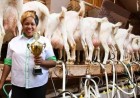
During the Annual Six Nation Livestock Genetics held recently in Nairobi, visiting South Africa breeders Andrew Roberts and Albie Horn said South African livestock auctions , exports to other African nations and activities resumed normally.
"The blame is the administrative deadlocks between South Africa's Chief Veterinarian and Kenya's Directorate of Veterinary Services (DVS) have kept the ban active".
Strategic Sourcing Pivots
To mitigate the shortage and prevent long-term stagnation in meat and dairy productivity, importers are shifting their procurement pipelines away from South Africa, looking toward international alternatives like Brazil, India, Argentina, Zimbabwe, Urguruy and Namibia to source high-yielding breeds such as Brahman, Brangus Braford, and Dorper.
Meanwhile, the Annual Six Nations Livestock Genetics Expo has shifted the spotlight to locally produced alternatives maximizing local, superior show animals to ramp up internal genetics multiplication and protect farmers from reliance on volatile import channels.
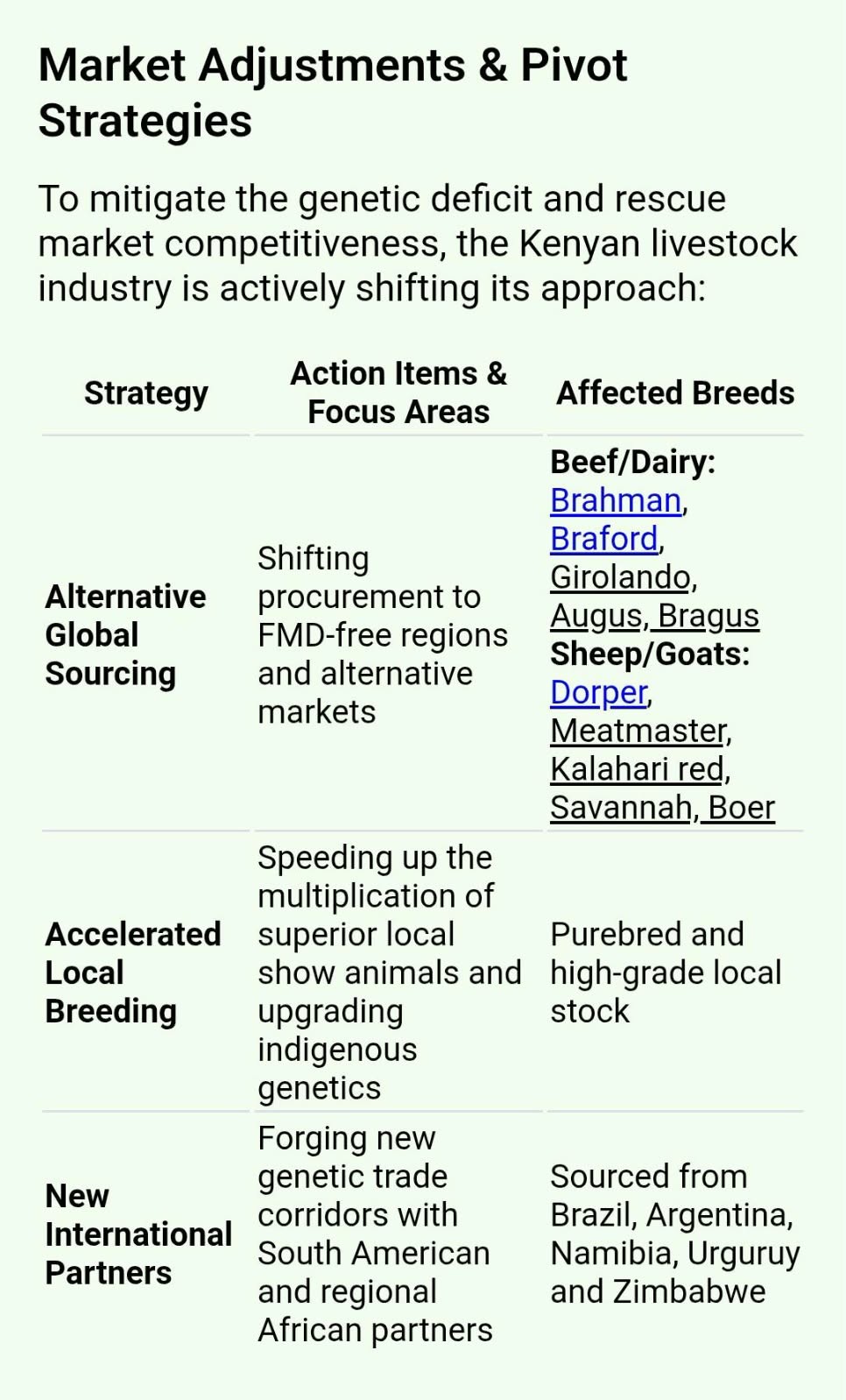
Market Adjustments & Pivot Strategies