


Stud Goat Breeding: How To Get Three Twin Kidding in Two years
To achieve three kiddings in two years (averaging a kidding every 8 months) with twin kids each time, you have to balance a tight breeding calendar with aggressive nutrition, selective genetics, and careful health management says Okie Nel Stud Breeding Director at Chanderlier Farm South Africa.

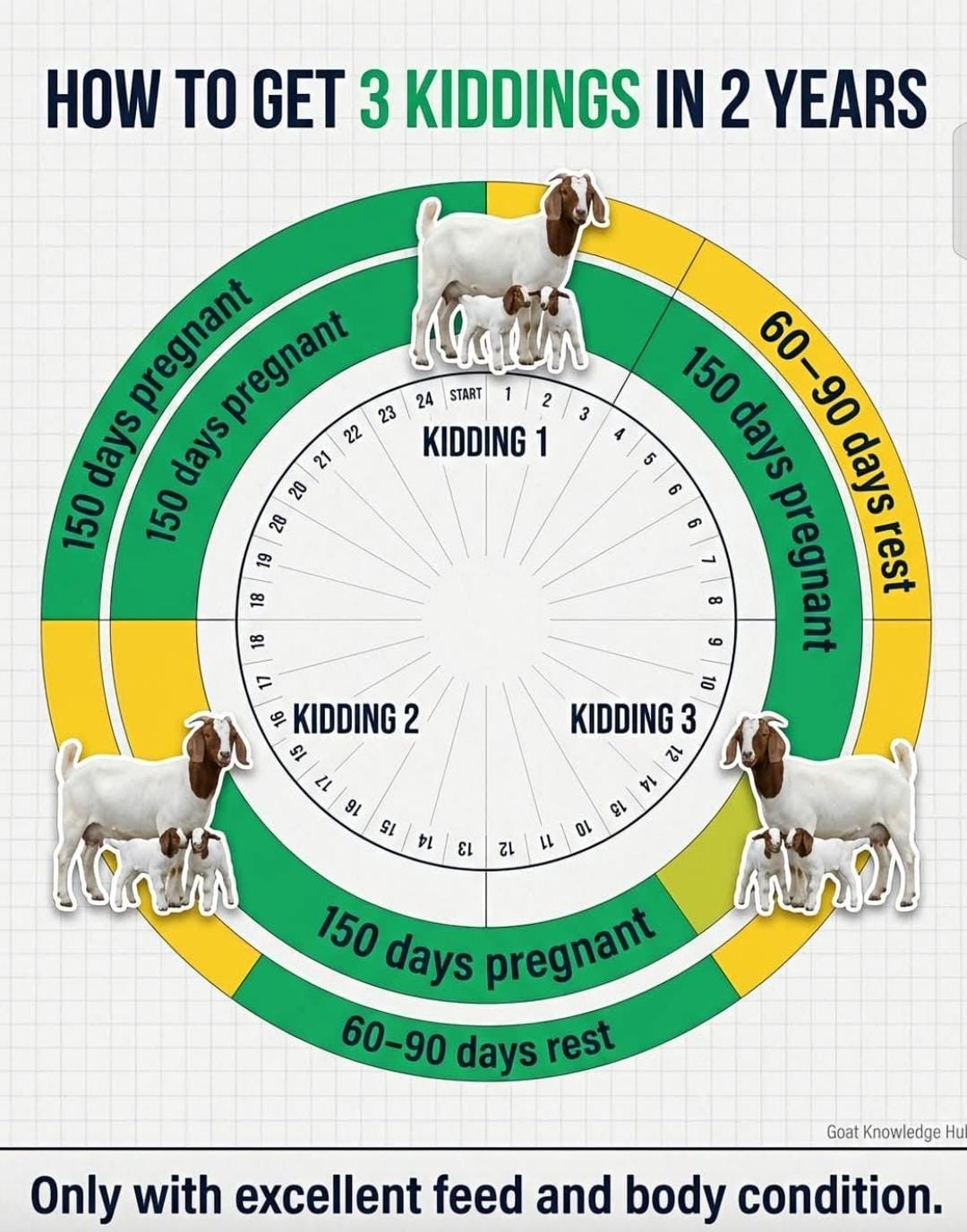
The 3-in-2 Timeline Math
A standard goat gestation period is roughly 5 months (150 days). To get three births in 24 months.
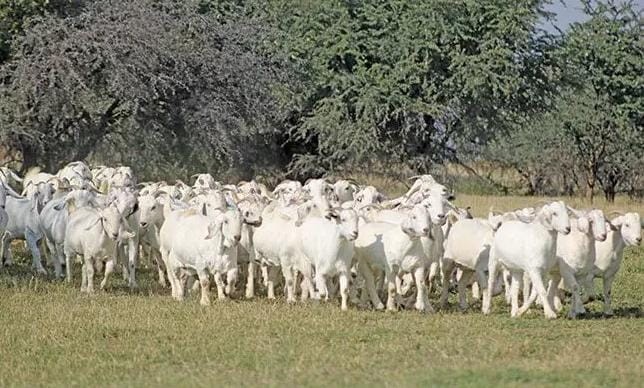
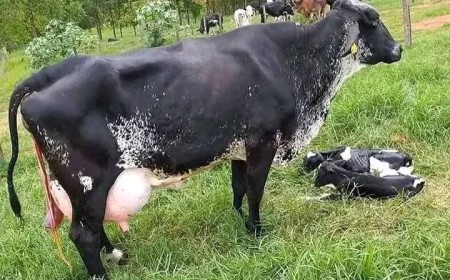
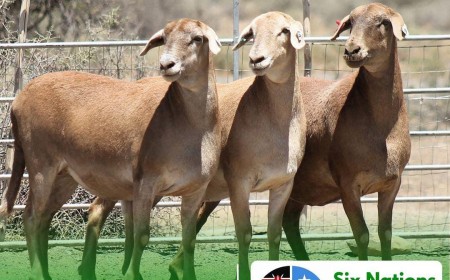
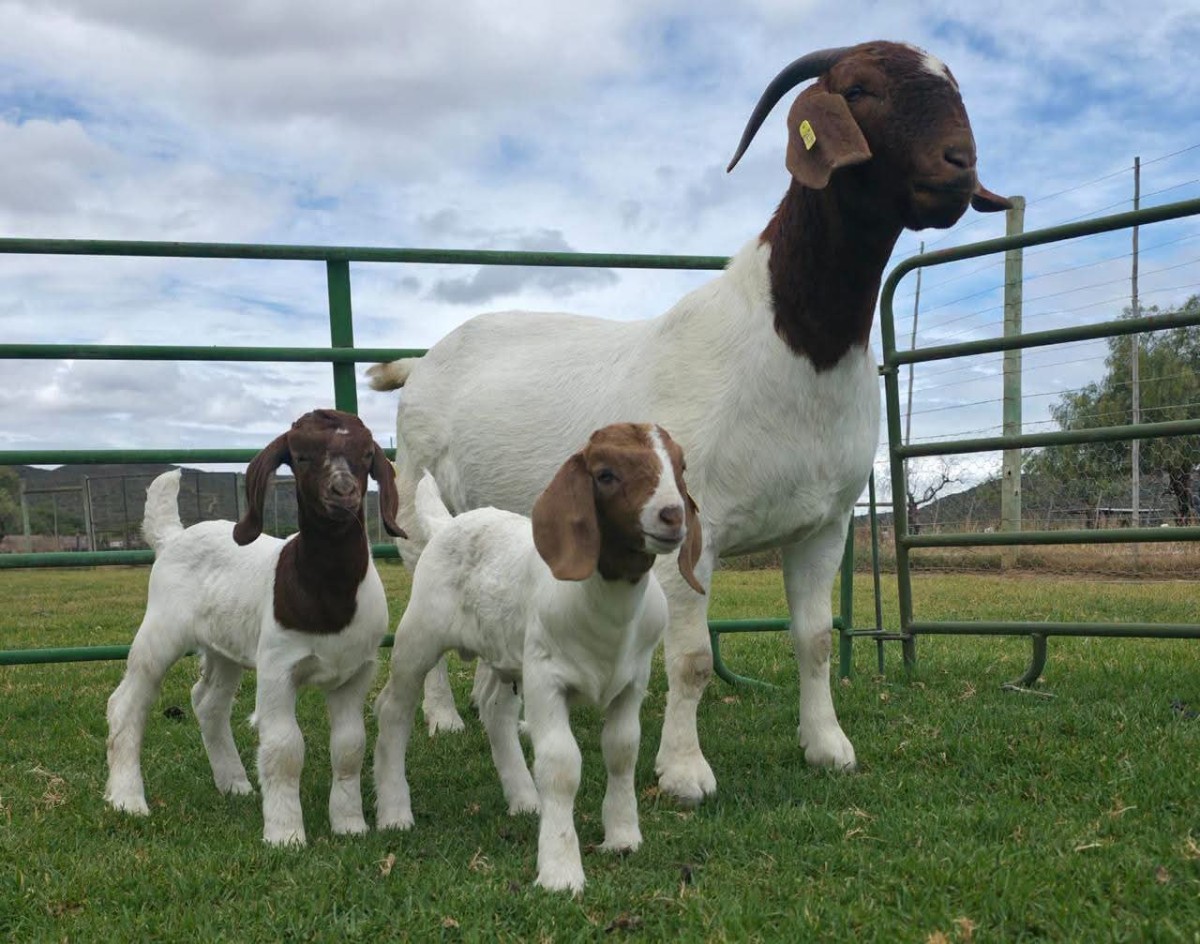
Savannah goats are well-known for high fertility and a strong genetic tendency toward multiple births—commonly producing twins or even triplets—rather than a single "twinning gene".
Gestation 5 months per cycle × 3 cycles = 15 months total pregnant time.
Recovery / Nursing / Re-breeding Window You have about 9 months left across the two-year span to nurse, let the doe come back into heat, and re-breed (averaging about 8 months between kidding events).
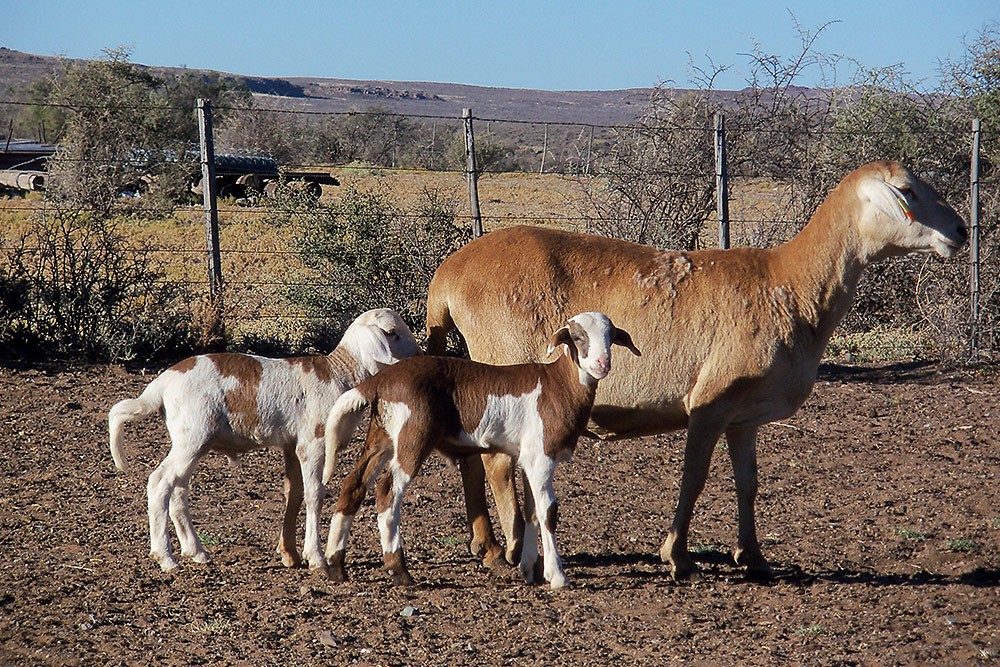
Meatmaster sheep are known for high fertility and a strong tendency toward multiple births.
Action Do not wait too long post-kidding. Many accelerated programs re-breed the doe roughly 4 to 8 weeks after she gives birth, sometimes while she is still nursing or early-weaning the kids.
How to Stimulate Twin Births
Twinning is heavily driven by genetics combined with pre-breeding nutrition rather than luck.
Choose Prolific Breeds & Lineage Select does and bucks that come from a proven family history of multiple births (twins or triplets). Farmers can select indigenous breeds of twinning lineage.
Practice "Flushing" 2 to 4 weeks before you put the doe with the buck, sharply increase her nutrition and protein intake (e.g., adding good green forages, sunflower seeds, soybean meal, or groundnut cake).
Flushing boosts her body condition score to about 3.0–3.5 and triggers hyper-ovulation (releasing more than one egg).
Minerals and Vitamins Ensure constant access to clean water, mineral salt blocks, and targeted supplementation like selenium and vitamin E, which directly improve ovulation and embryo survival rates.
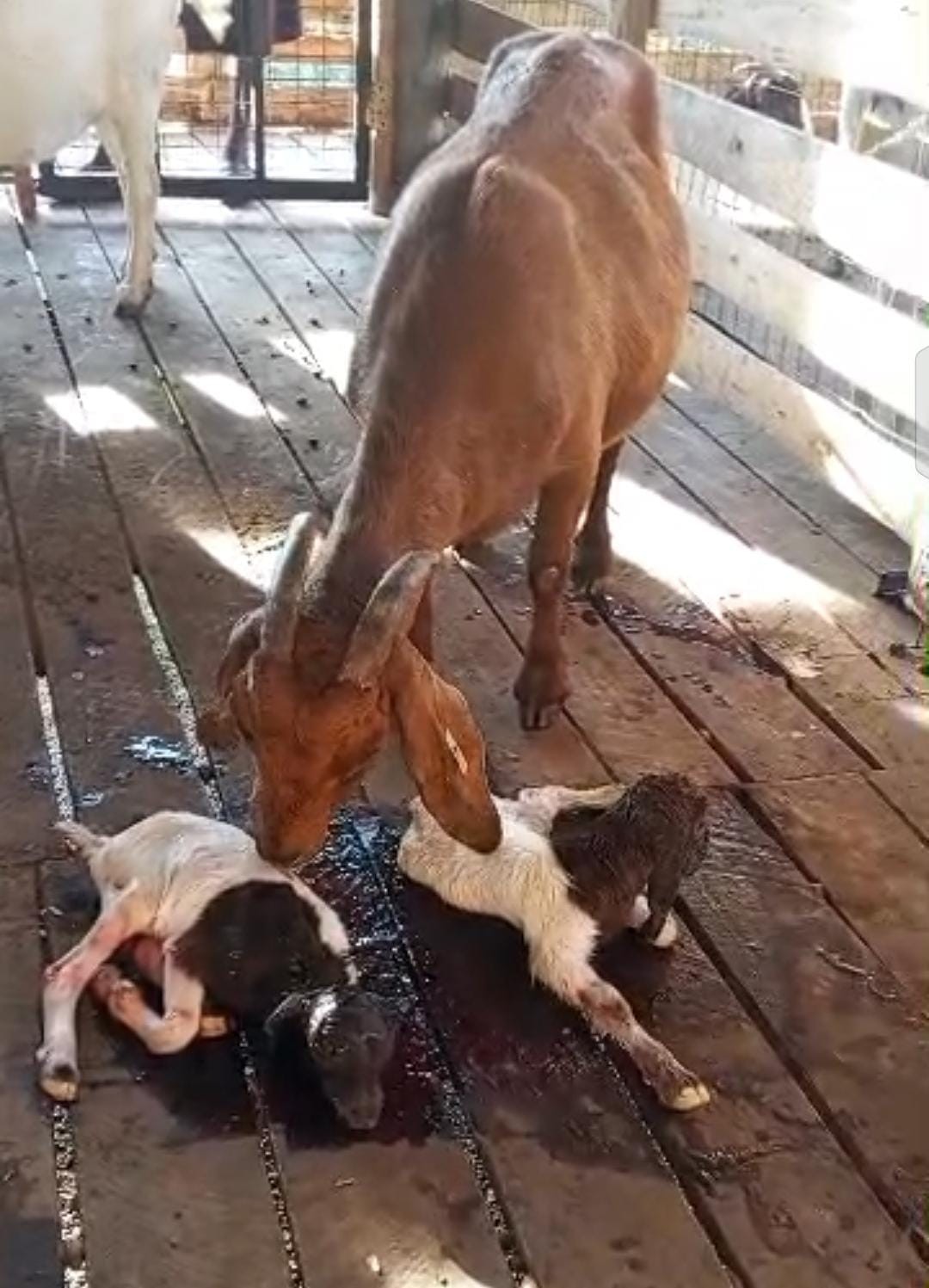
Kalahari Red goats at Shamba Pori Farm have a strong tendency toward twinning and multiple births (frequently producing twins or triplets), with a reported twinning rate of around 40% or higher depending on nutrition, management, and doe age.
Herd Management & Steaming-Up
Pushing a doe to kid 3 times in 2 years is physically demanding. You must protect her body condition.
Steaming-Up (Late Pregnancy) About a month before she kids, separate pregnant does from rough or aggressive stock to reduce stress and bullying. Provide extra concentrates (up to ~500g/day) to support rapid fetal growth and prepare her udder for milk production without letting the unborn kids get overly massive and cause dystocia (birth complications).
Strict Health & Parasite Control
Deworm and vaccinate your herd regularly. A parasite-loaded or anemic doe will abort, absorb the fetus, or fail to cycle into heat.
Record Keeping Track every service date, expected kidding date (150 days out), and litter size.
Culling does that consistently drop to single kids or fail to re-breed on schedule is vital to maintaining an accelerated 8-month interval.