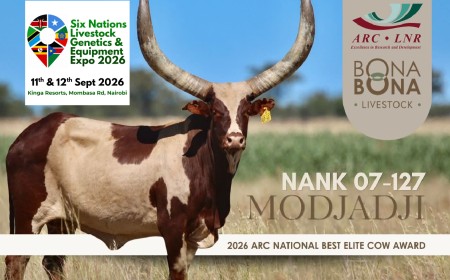

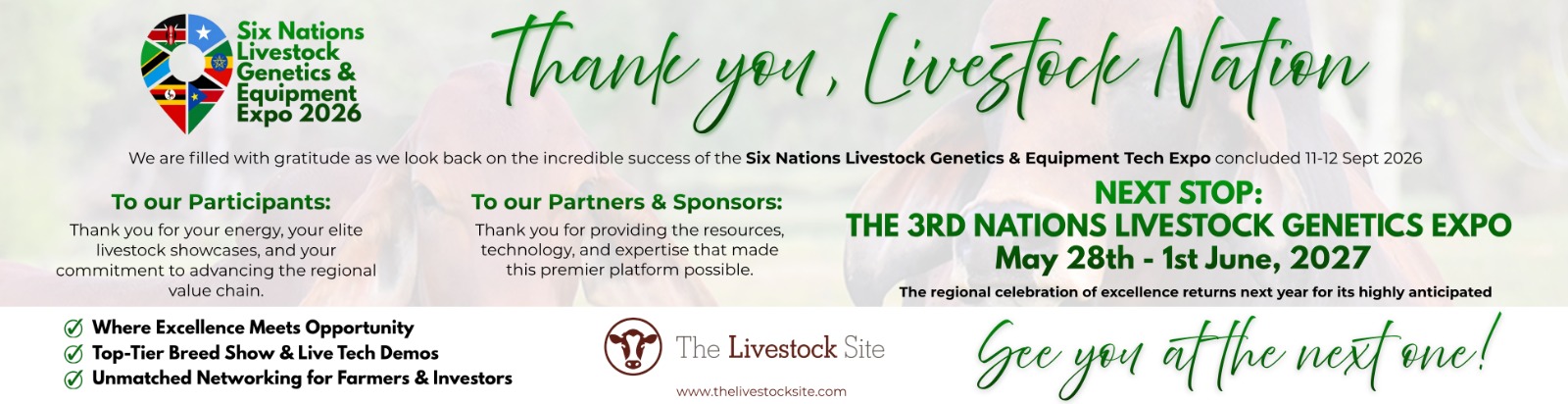
Due to growing trend and demand, CAMEL GENETICS to feature prominently at the 3rd Six Nations Livestock Genetics Expo May 2027
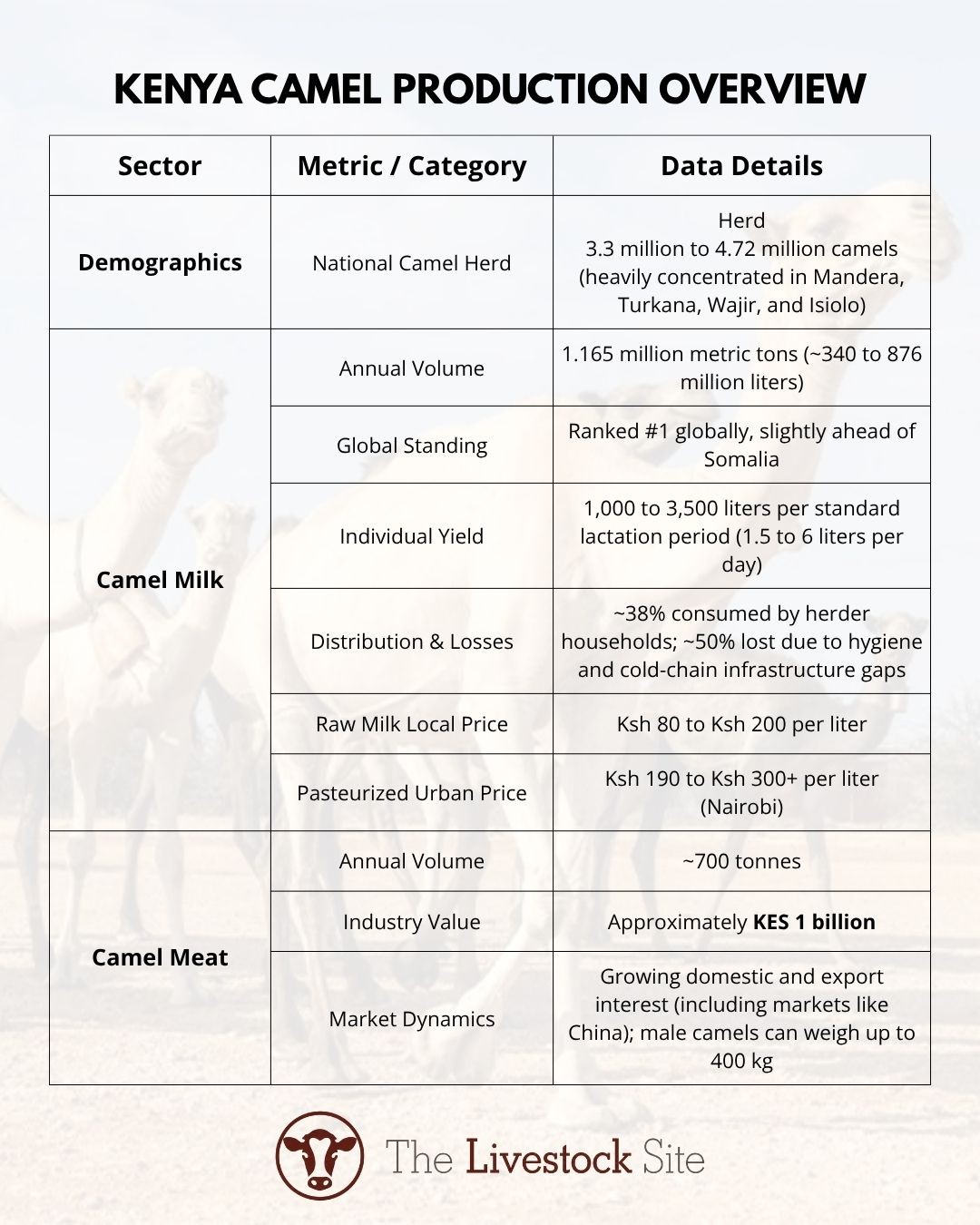
Did you know, Kenya is one of the world's leading producers of camel milk, driven by a massive camel population concentrated in its arid and semi-arid lands (ASAL).

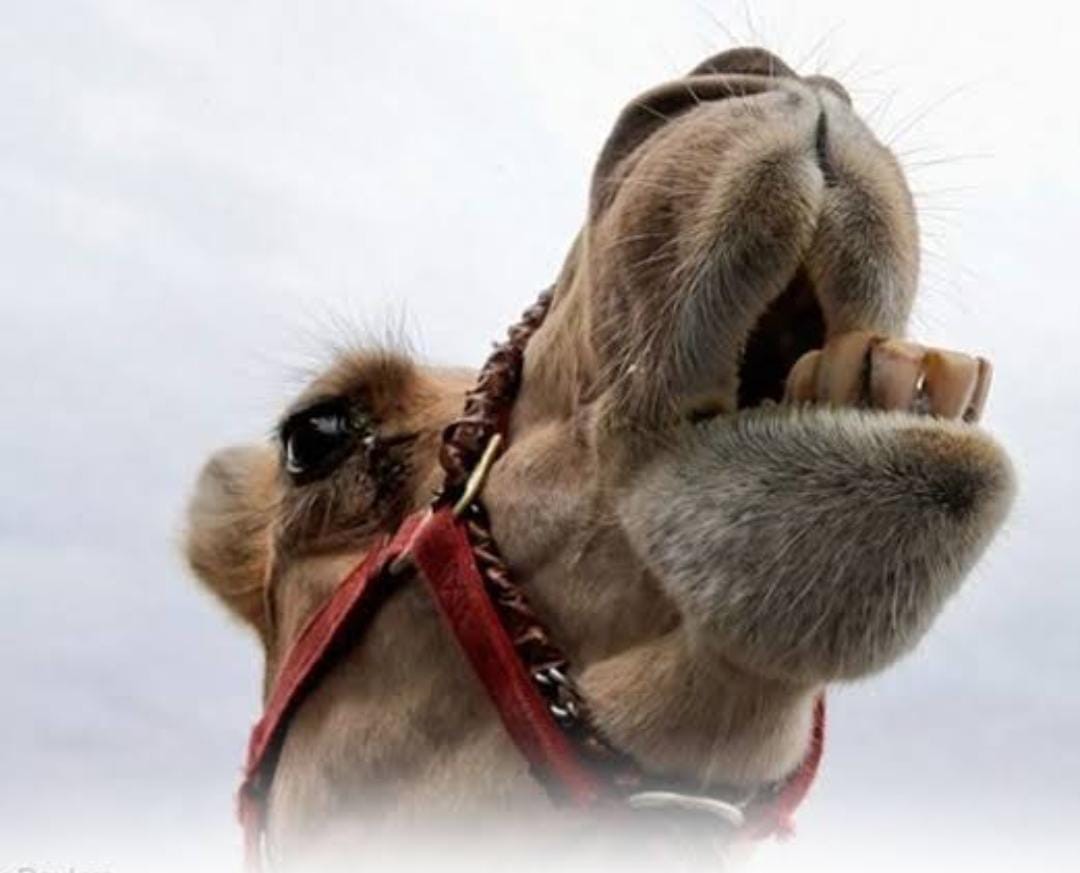
Camel milk and meat production was a central highlight at the recently concluded Agriculture & Food Systems Transformation Summit 2026 held at Jamhuri Park, Nairobi.
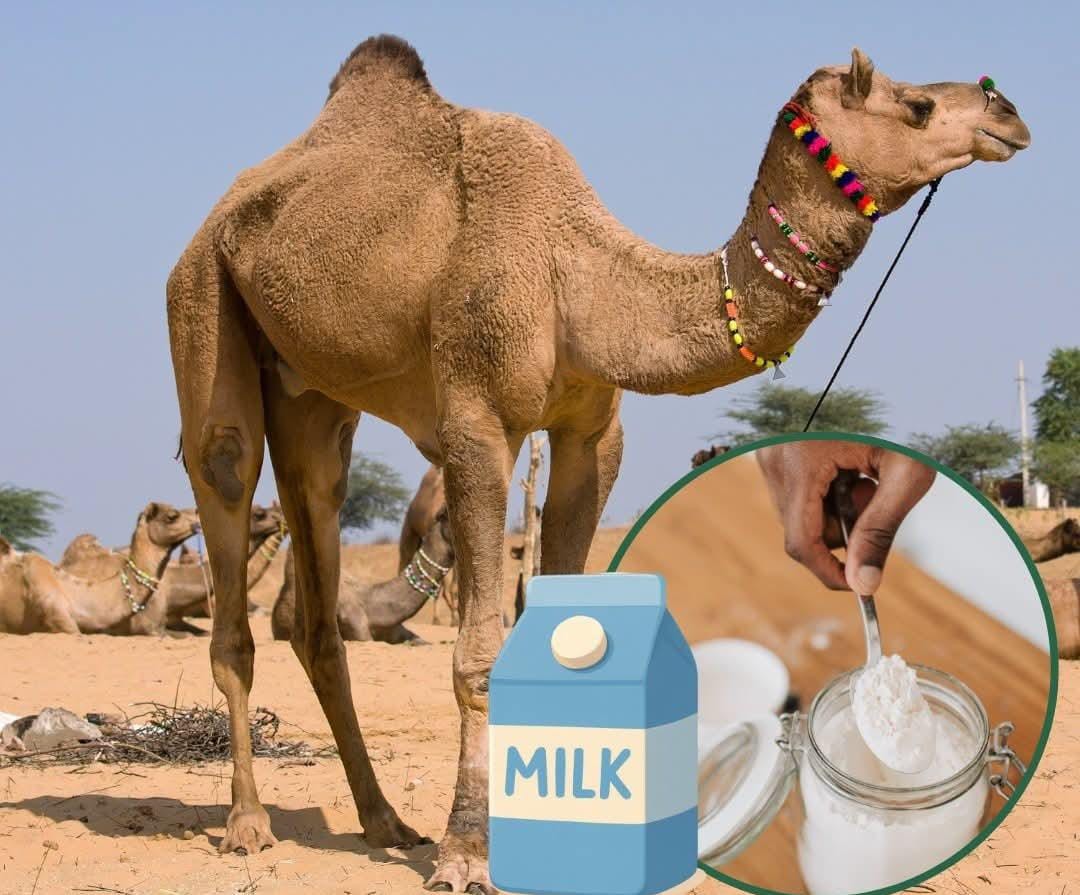
Pakistan company exporting camel milk powder to Middle East, China and Africa.
During the summit, which ran from October 7 to October 9, 2026, President William Ruto directed the Ministry of Agriculture to facilitate the importation of improved camel and buffalo breeds to help combat Kenya’s current conventional dairy shortages.
Camel Milk - Miracle Milk. The most sought-after property in camel’s milk is freshness.
Livestock keepers from Arid and Semi-Arid Lands (ASAL) counties emphasized camel farming as a crucial, drought-resilient alternative as climate shifts impact traditional cattle populations.
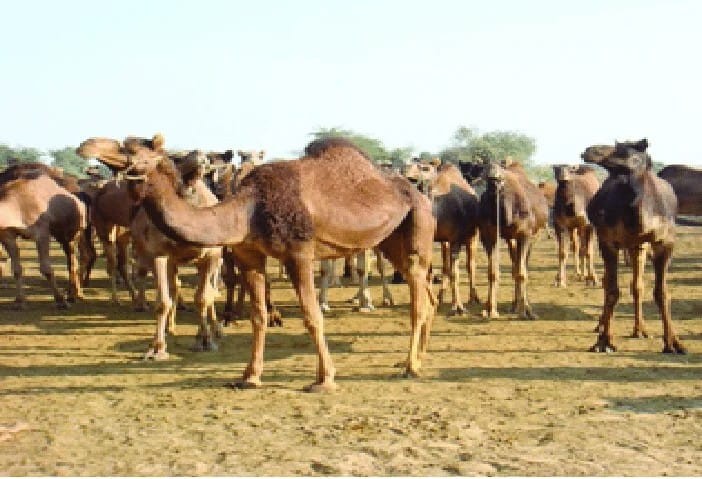
Marecha breed (Camelus dromedarius), a premier dairy and draft camel breed in Pakistan.
Sourcing Superior Camel Genetics
The State Department of Livestock was directed to explore the introduction of superior camel genetics as part of a broader government strategy to stabilize national dairy processors following a sharp decline in formal cow milk deliveries.
Camels’ milk fat contains the much higher concentration of long-chained fatty acids than short-chained fatty acids.
According to Masaku H&L leading livestock genetics importer Chief Executive Mr. Henry Kioko, to source superior camel genetics producing high yields of both milk and meat for import into Kenya, one should look toward Pakistan and India. These regions hold the world's most prominent, highly productive dromedary camel (Camelus dromedarius) genetics.
On recommended genetic sourcing strategies, Mr Kioko says importing live mature animals over long distances is costly and logistically stressful.
He recommends for the best economic return, farmers should consider Crossbreeding by importing Pakistan or Somali bulls to cross with hardy local Turkana or Gabbra females. The first-generation offspring inherit high milk/meat production potential while maintaining strong climate resilience.
Secondly, Artificial Insemination (AI) & Semen Cryopreservation to bypass live animal transport bottlenecks, import superior semen straws from international research centers like Pakistan’s Camel Breeding and Research Station (CBRS).
The Livestock Site has put together information below to break down the key data regarding camel milk and meat production in Kenya based on the provided data and findings from Favaherb Trade Data and NCBI