

Lamb Fat Tail - Extremely rare, People don't even know about it
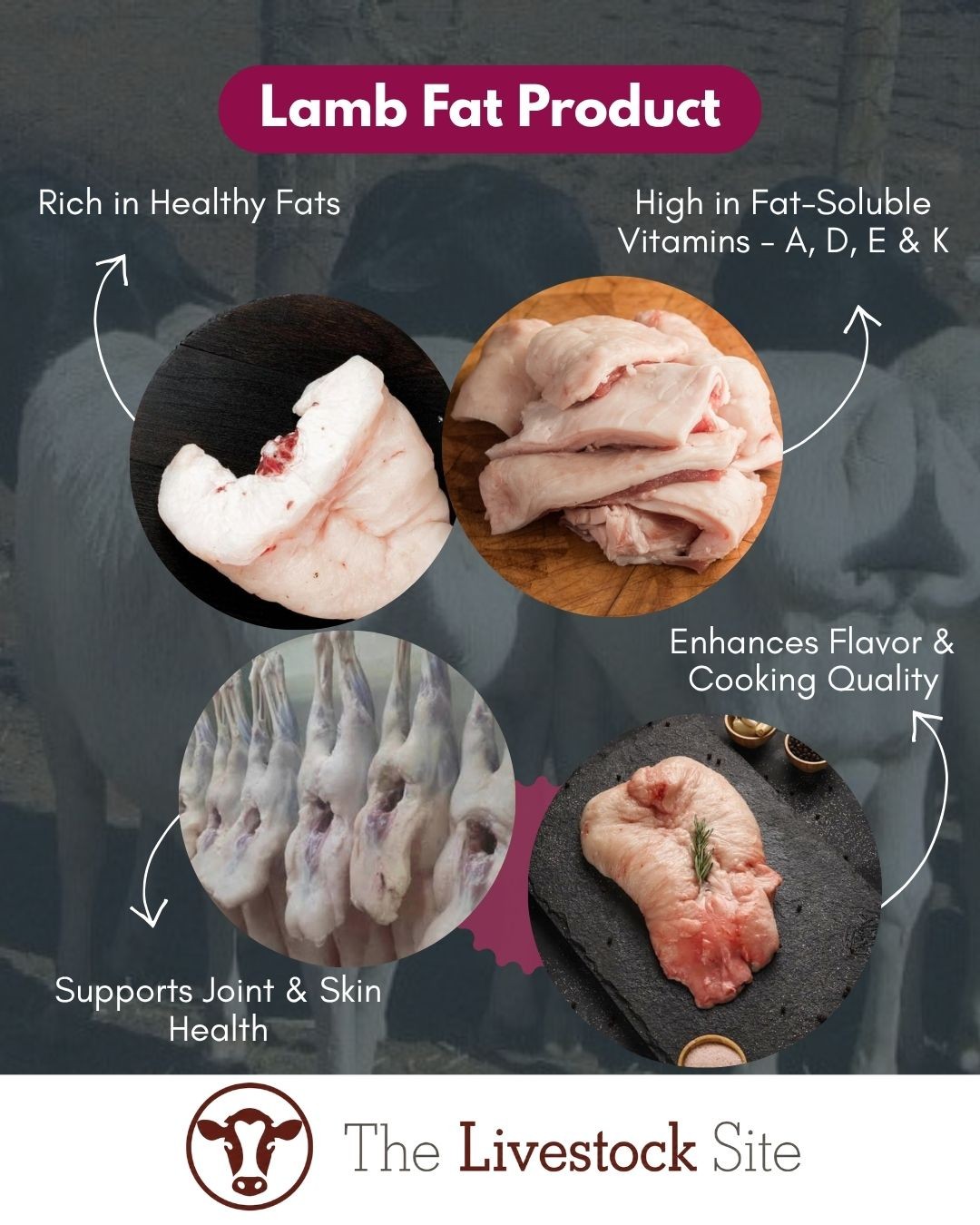
Lamb fat provides rich energy, essential fat-soluble vitamins, and healthy fatty acids that support joint and skin health.

The fat tail of a fat-tailed lamb breed generally accounts for roughly 8% to 12% of the total live slaughter weight, depending on the breed, diet, and maturity at slaughter.
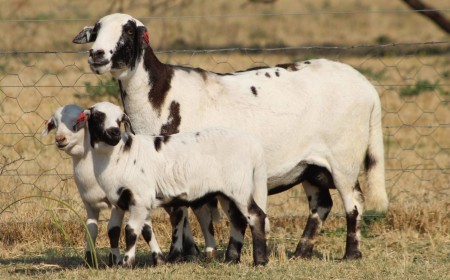
The Turkish sheep has huge tail with lots of fat.
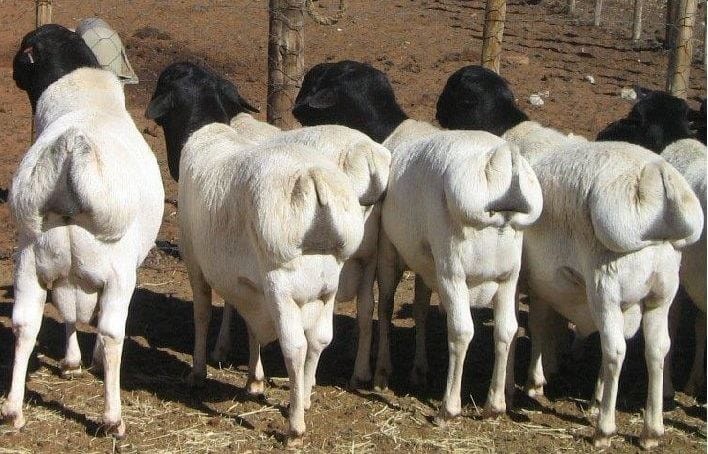
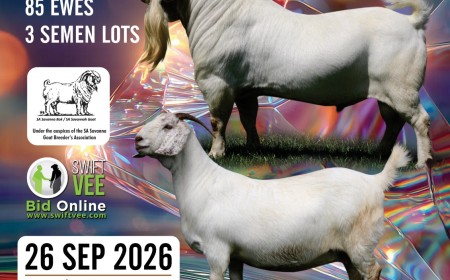
Fat Tailed Somali Sheep predominantly in the ASAL region.
Modern Health Benefits of Lamb Tail Fat
Rich in Healthy Fats
Lamb tail fat is a natural source of healthy saturated and monounsaturated fats, which provide long-lasting energy and support overall health.
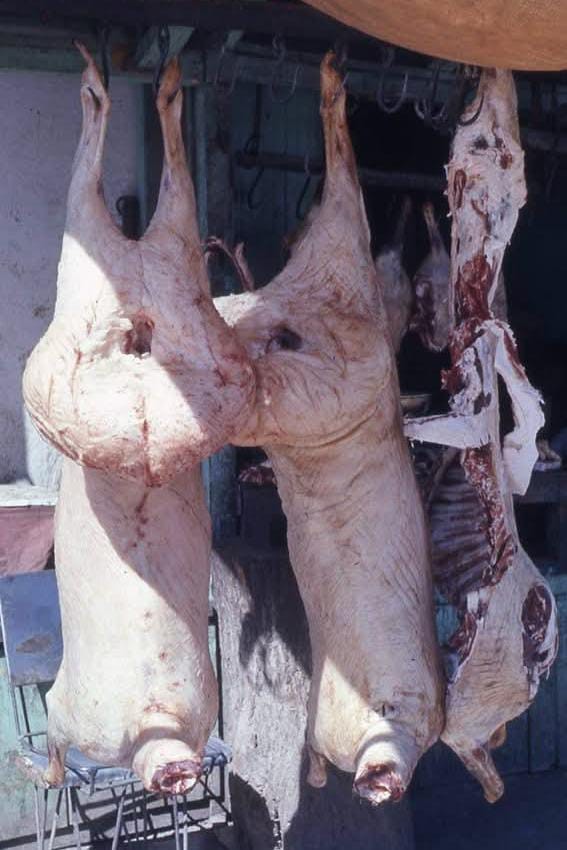
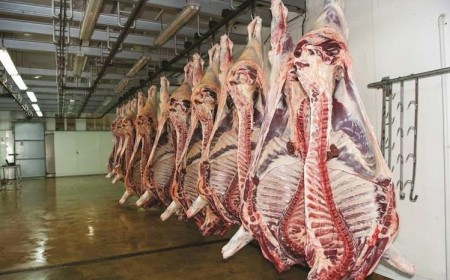
Slaughtered Fat Tail Sheep
High in Fat-Soluble Vitamins
It contains essential vitamins such as A, D, E, and K, which are crucial for immune function, bone health, and skin nourishment.
Enhances Flavor & Cooking Quality Used in traditional cuisines, lamb tail fat enhances the taste of dishes and provides a rich, deep flavor.
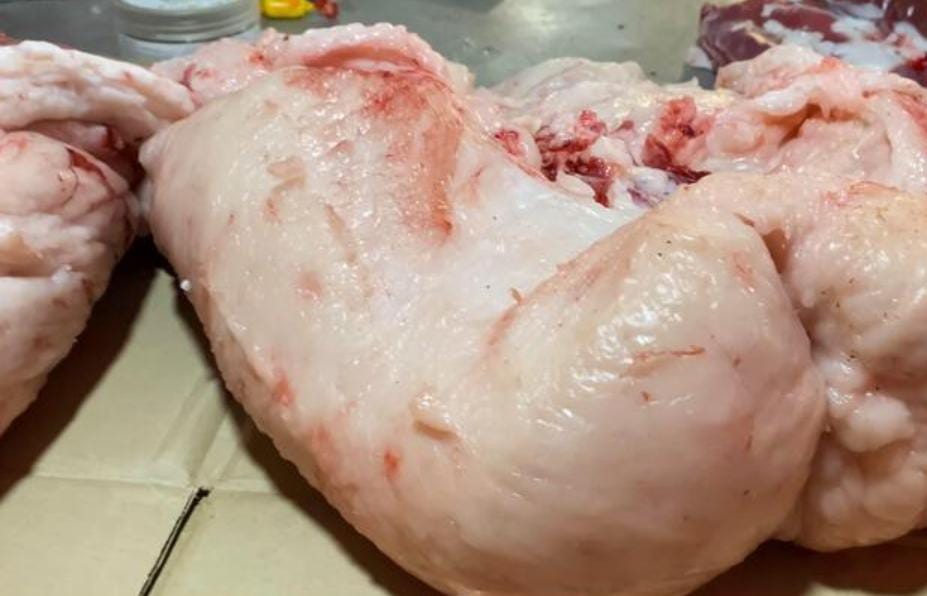
Fresh Lamb Fat
Supports Joint & Skin Health
The fatty acids in lamb tail fat help maintain skin elasticity and may reduce joint inflammation, promoting overall well-being.
Traditional Uses in Ancient Cultures
Traditional Chinese Medicine
Ancient Chinese healers used sheep and lamb fat—especially tail fat—as a remedy for coughs, bronchitis, and sore throats. They also applied it topically as a warming chest rub or skin salve for burns and joint pain.
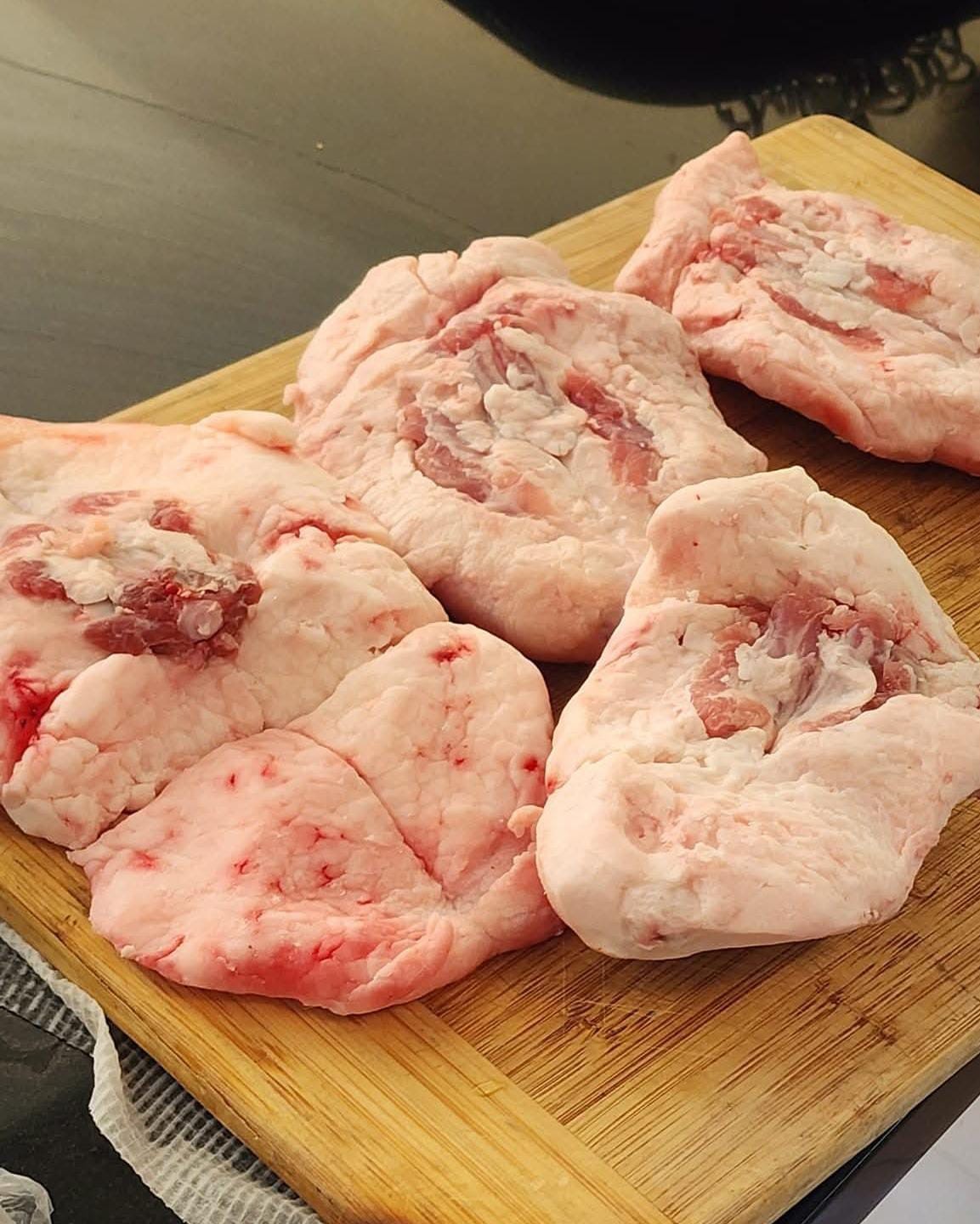
Frozen Lamb Fat
Ancient African & Pastoralist Traditions Indigenous and tropical pastoral communities valued sheep fat as a high-energy dietary staple for cold weather or long journeys. They used rendered fat for cooking, preserving meat, and as a protective skin and hair moisturizer against harsh environments.
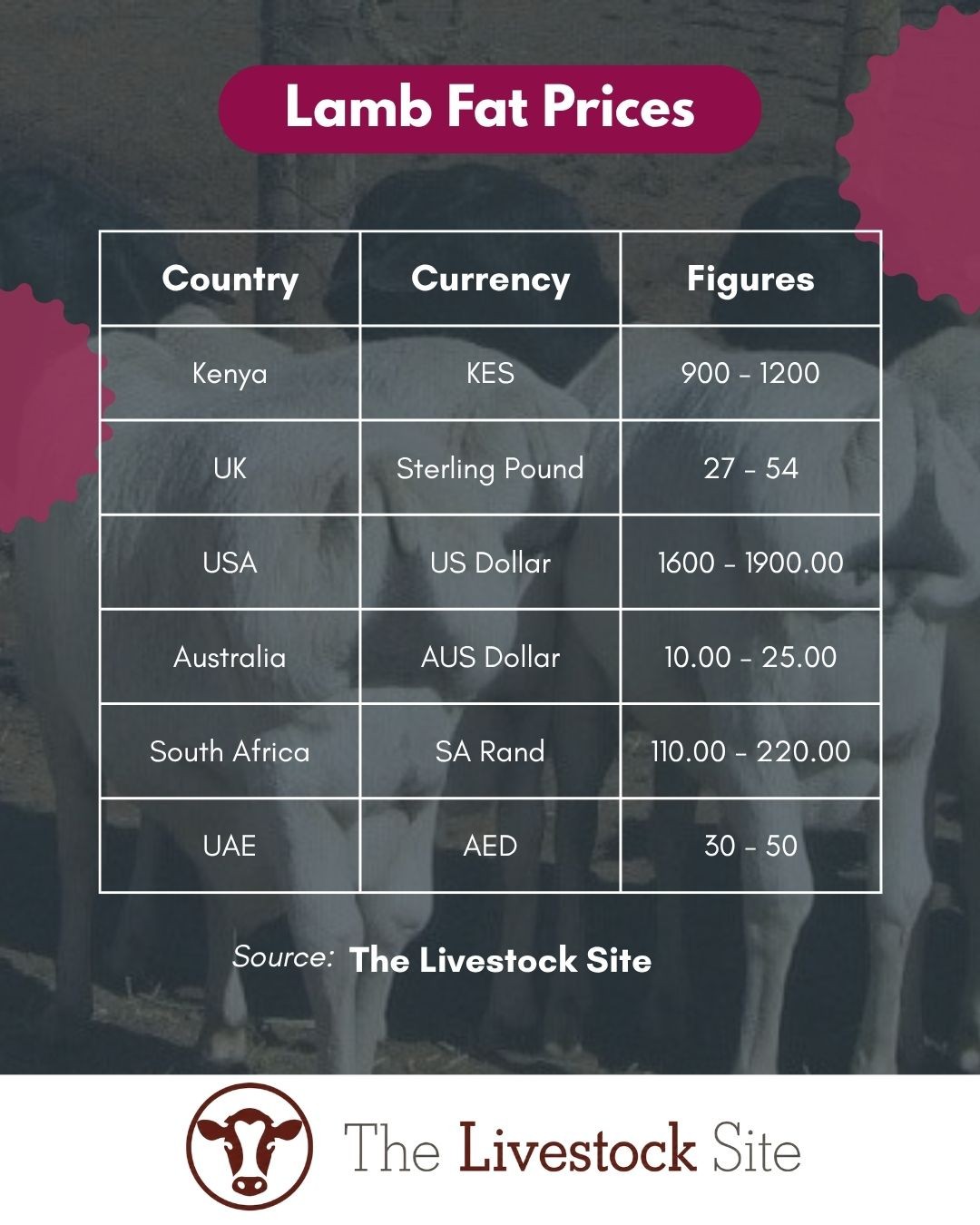
Lamb Fat Tail prizes