
Meat Quality Lessons for Eastern Hemisphere Beef producers @ The Six Nations Livestock Expo
To compete, Eastern beef ranchers and pastoralists must deploy selective breeding and genetic preservation strategy.

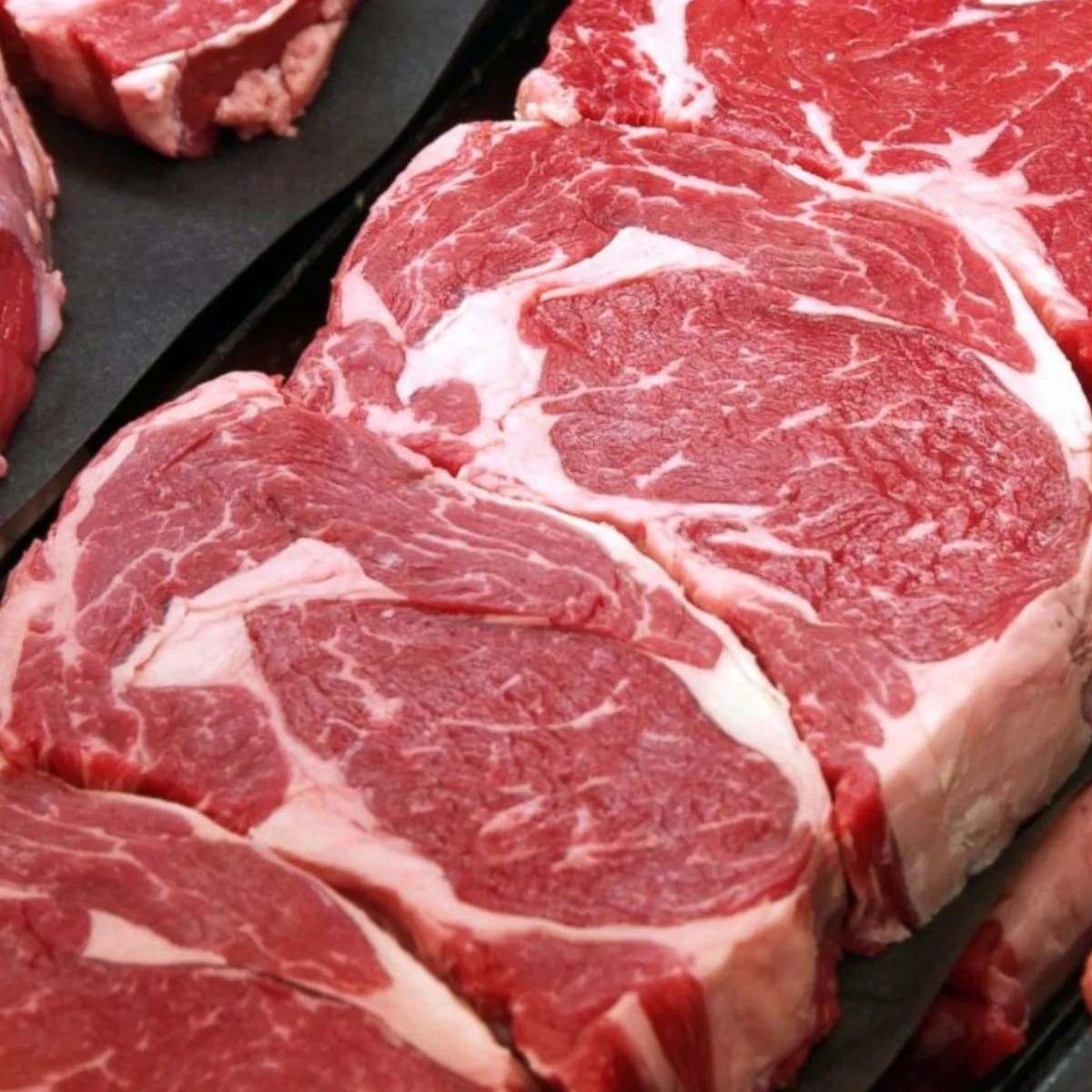
This strategic breeding involves identifying and keeping only animals with high-value traits like superior meat quality and strong environmental adaptability.

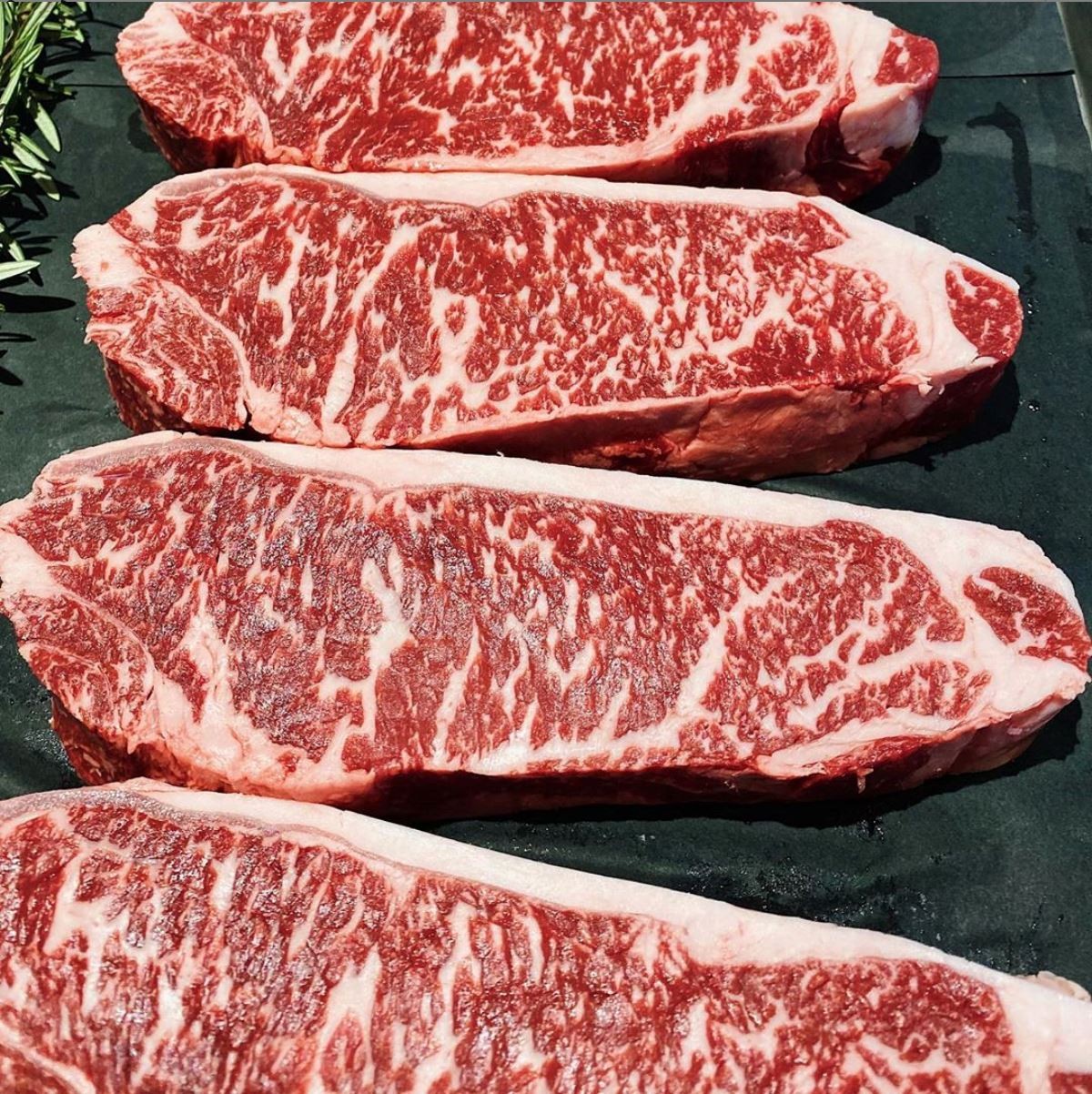
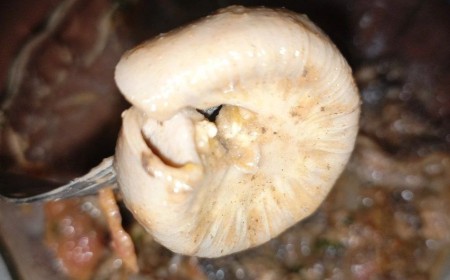
Why is marbled meat is so prized among consumers?
By choosing parents that possess these specific genetic markers, livestock producers can create large resilient herds that yield premium products.
In high quality producing Nations, this approach is institionalised and implemented by all livestock producers.
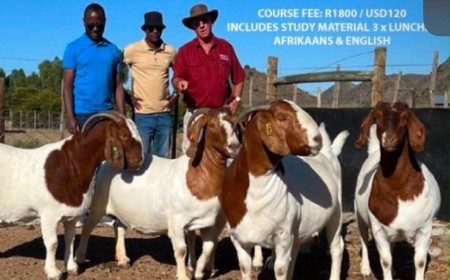
Participants at the Six Nations Livestock Expo shall learn how this process works.
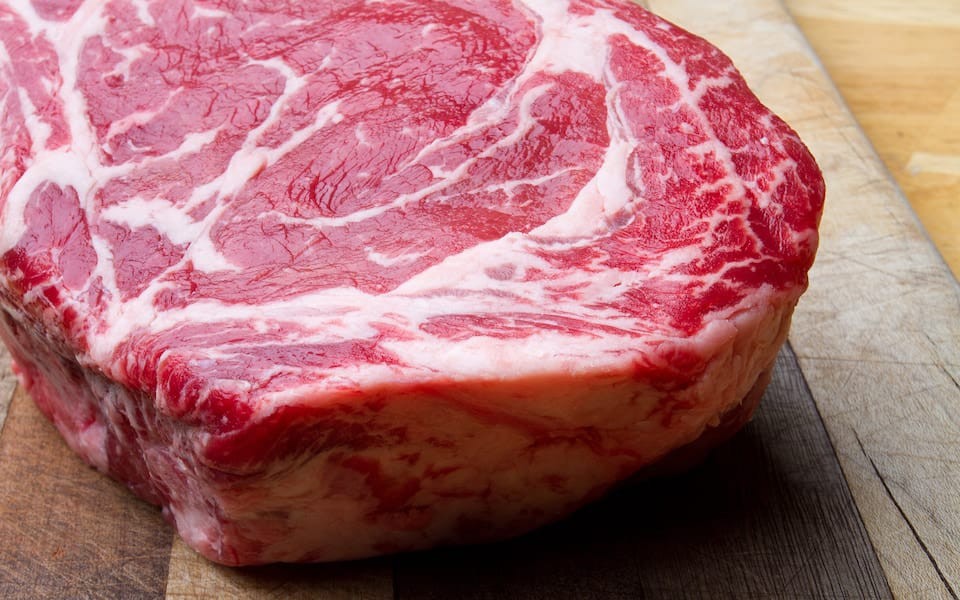
Beef marbling will make Eastern Africa beef competitive
1. Meat Quality Traits
Producers look for specific genetic markers that influence how meat tastes, feels, and performs on the market.
- Marbling (Intramuscular Fat) Genetics dictate how well fat is distributed within the muscle, which directly affects tenderness, juiciness, and flavor.
- Feed Conversion Efficiency Animals with superior genetics can convert feed into high-quality muscle mass faster and with less waste.
- Muscle Growth Yield Selecting for optimal carcass yield ensures more marketable meat per animal.
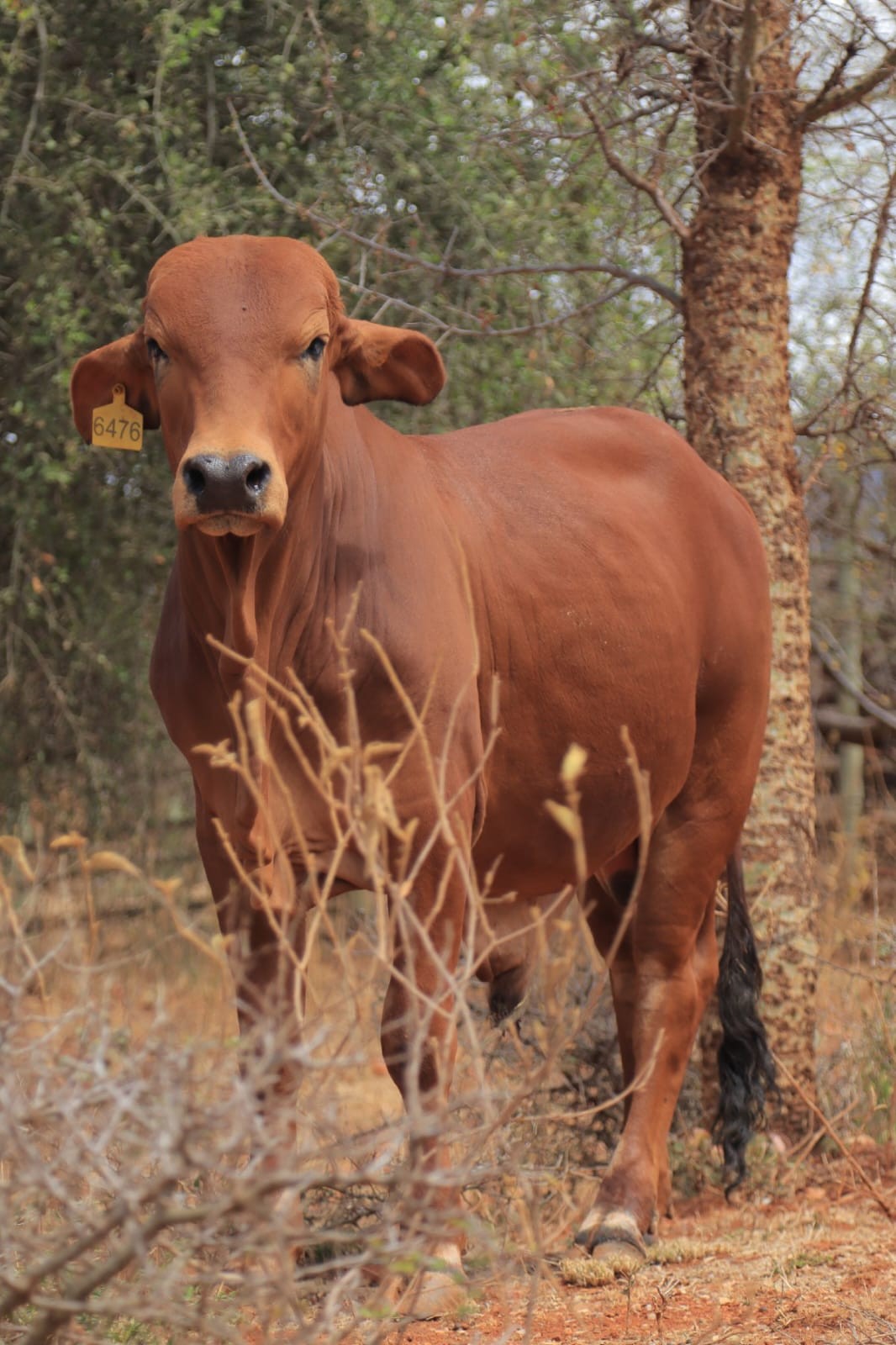
Beef marbling will make Eastern Africa beef competitive
2. Environmental Adaptability Traits
An animal with great meat quality is only valuable if it can survive and thrive in its local climate.
Genetic selection focuses on hardiness and resilience.
- Climate Resilience This includes heat tolerance such as slick coats in cattle.
- Disease and Parasite Resistance
Certain breeds carry natural genetic immunity to local pests, ticks, or endemic diseases, reducing the need for chemical interventions. - Foraging Ability Genetic traits can enable animals to efficiently digest low-quality forage or travel long distances for water in arid regions.
Balancing the Two- The Future at Six Nations Livestock Expo
The main challenge in livestock genetics is that high-yielding meat breeds (like Angus or Wagyu) sometimes lack extreme climate resilience, while highly adaptable local breeds might have lower meat yields.
To solve this, producers often use crossbreeding (heterosis) to combine the best of both worlds. For example, crossing a heat-tolerant breed with a high-marbling breed creates an offspring that thrives in harsh environments without sacrificing meat quality.
Register to participate:
https://docs.google.com/forms/d/e/1FAIpQLSfyE4W3RC7Ye1L7c9qRjto8MCku9jG5AH96N0OOalpkgRnpXQ/viewform