


Millennials & Gen Z drivers in modern meat consumption in Kenya
According to "The Power of Meat" report, Millennials and Gen Z account for 67% of unit growth in meat sales, pushing overall grocery meat sales to a highest consumption records.

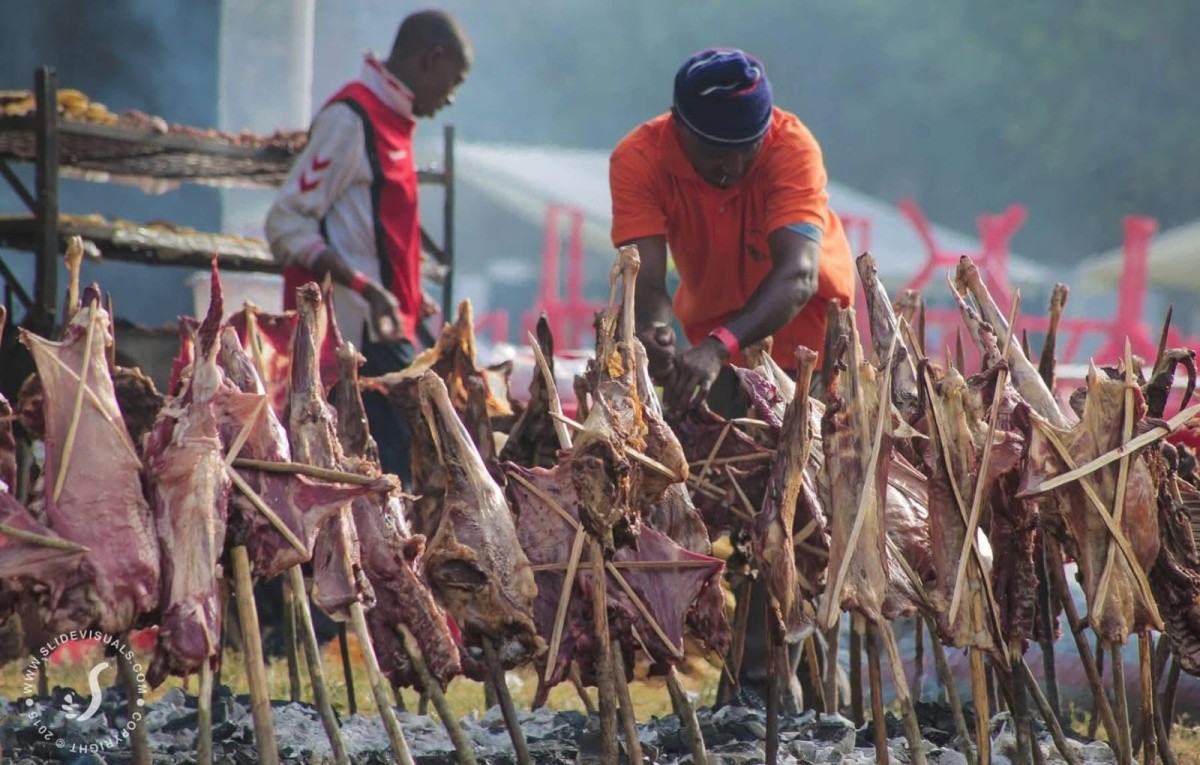
Younger generations are fundamentally reshaping how and what kind of meat is consumed in the country.
Who is Consuming Meat in Kenya?
Meat consumption in Kenya is highly segregated by geography and economic status.
Meat consumption is highly concentrated in urban centers. Nairobi and Mombasa alone account for roughly 75% of the country's total meat consumption.
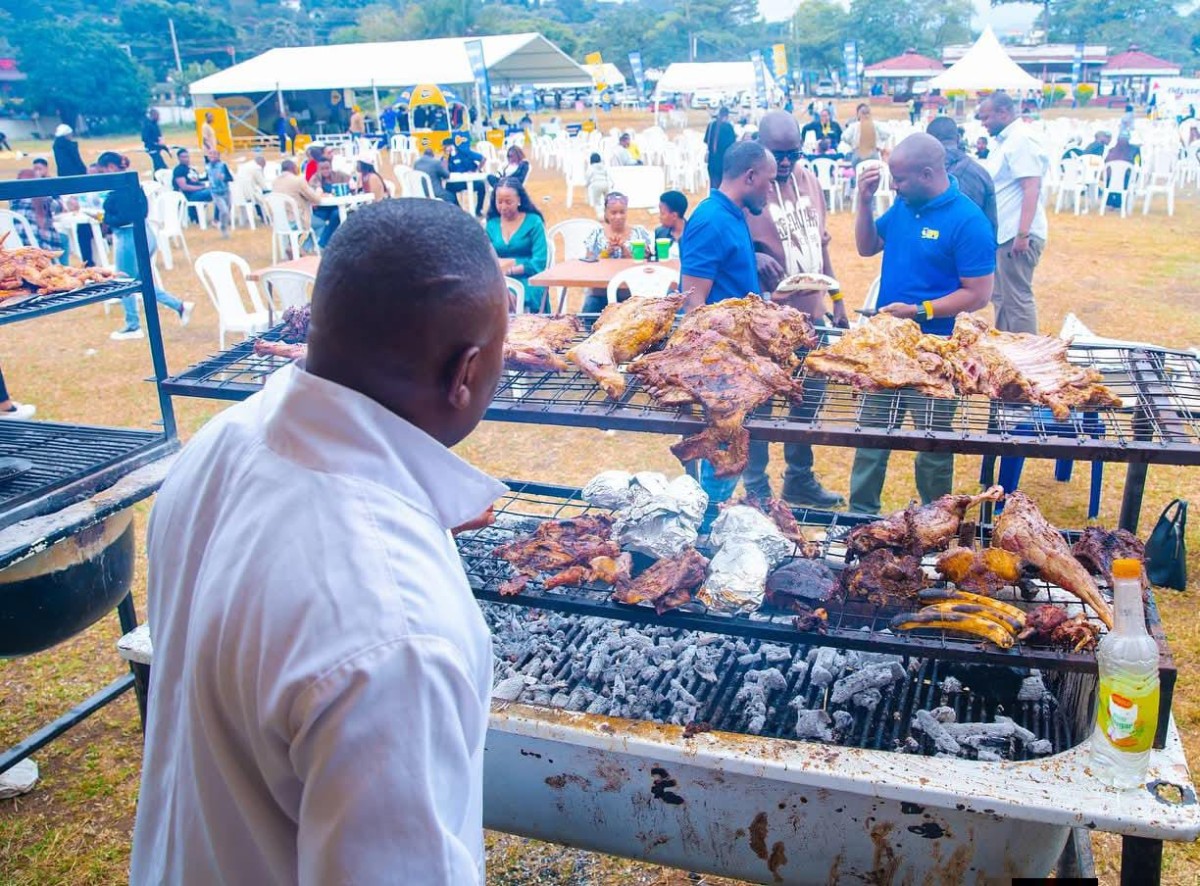
Meat consumption social activity on the rise.
Urban residents consume significantly more meat per capita than those living in rural counties.
Quote
"According to Kenya Meat Trust, more consumers demand quality meat. Consumers are sensitive about the quality of meat that they buy at the market. Meat demand rose from. 66,000 tonnes to 240,000 tonnes going into the coming years".
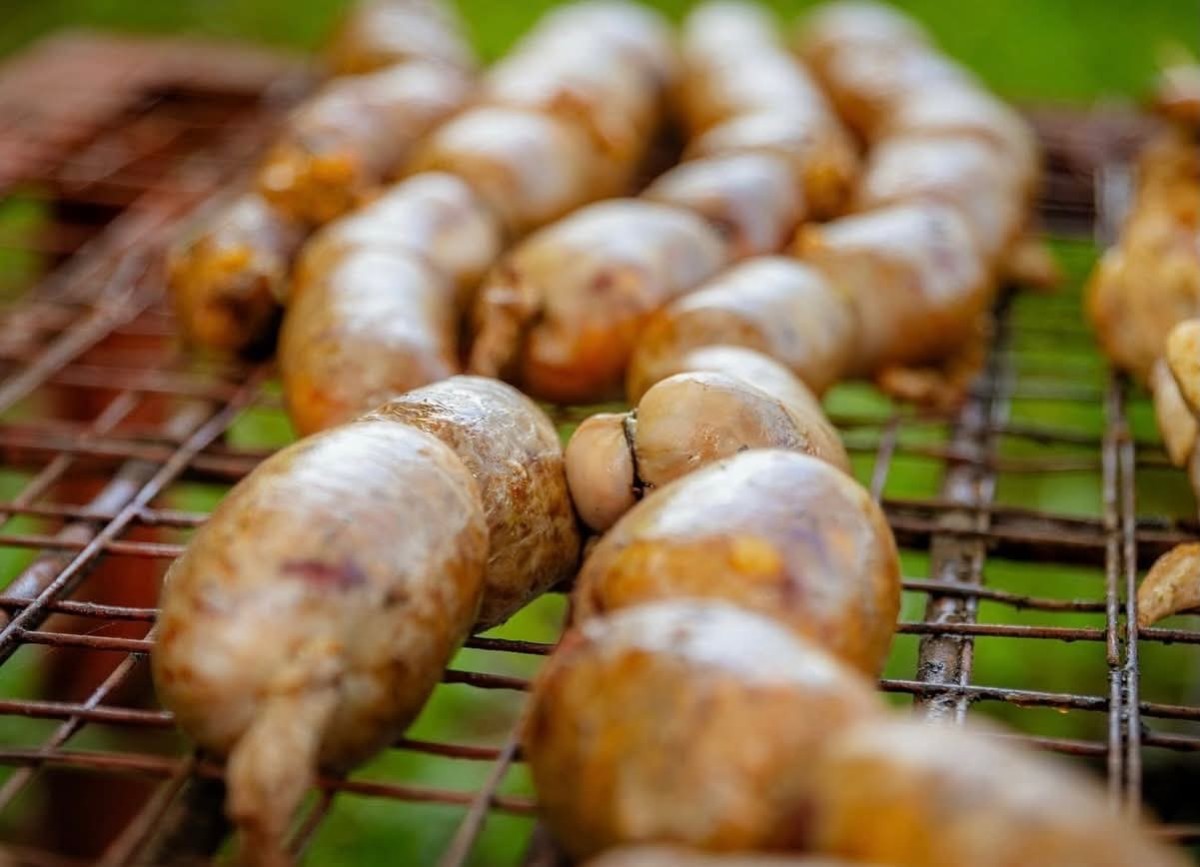
Famous mutura
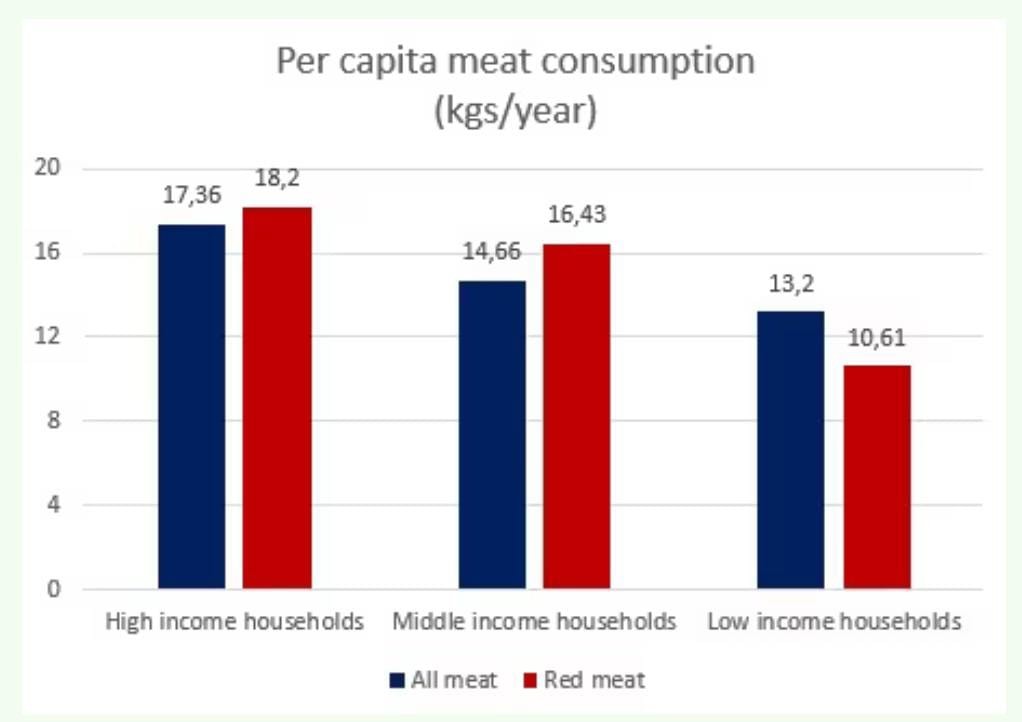
Income Groups
Middle- and high-income households drive the highest per capita consumption of premium meats like chicken and fish.
Low-income earners account for a massive volume of meat sales overall purely because of their large population size, though they eat it less frequently (often once a week or during special occasions).
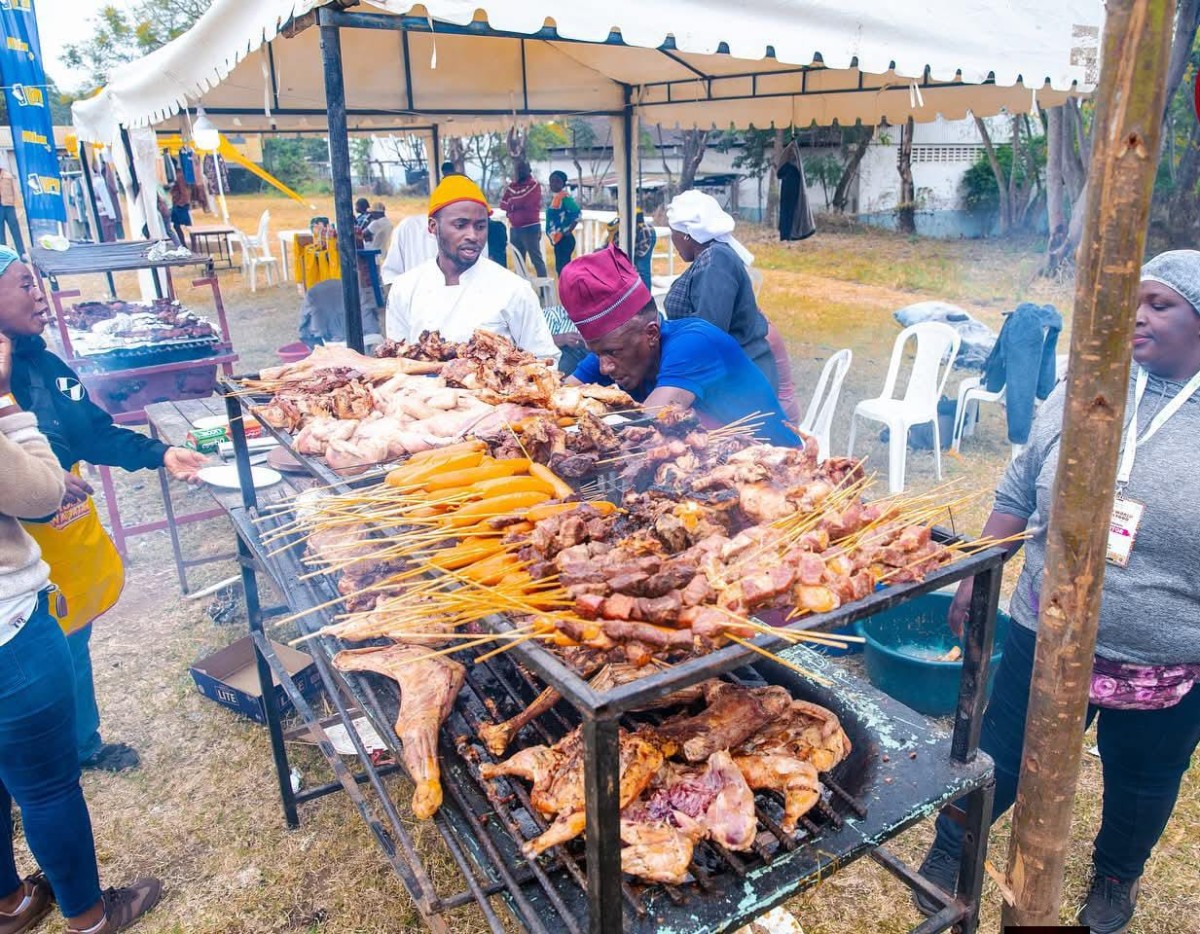
Meat consumption in East Africa is at its highest as boqth traditional and trendy lifestyle.
The Role of Millennials and Gen Z
Younger generations are fundamentally reshaping how and what kind of meat is consumed in the country.
The Street Food and Fast-Casual Boom
Gen Z and Millennials are the driving force behind the explosion of urban street food culture and food festivals (like the popular Nairobi Street Food Festival).
They heavily consume meat through affordable, fast-casual meals like nyama choma (roasted meat), mshikaki (skewers), and "smochas" (a smokie sausage wrapped in a chapati).
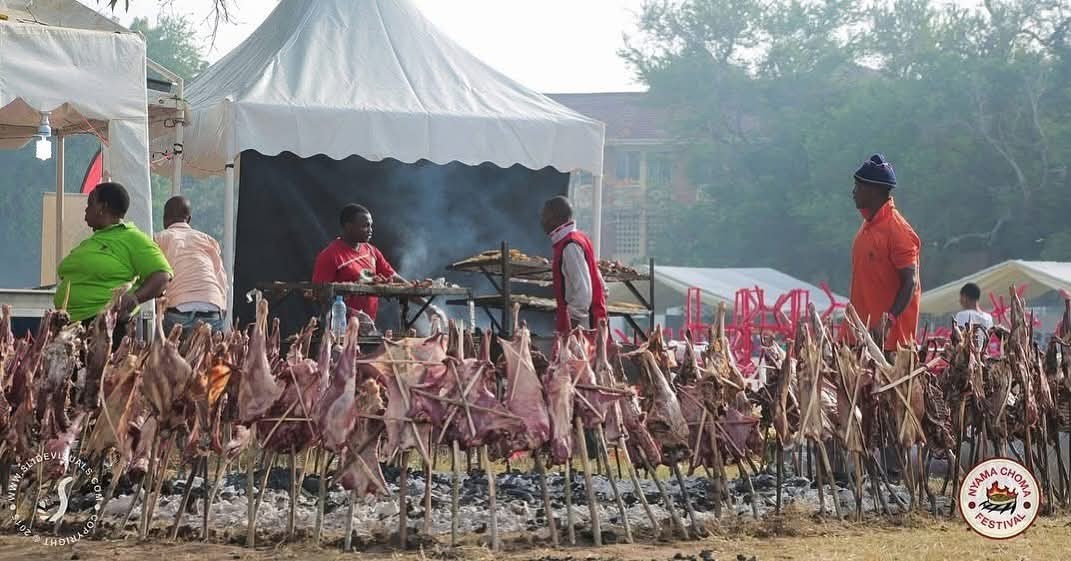
The "Flexitarian" and Alternative Protein Paradox:
Kenyans love conventional meat, the older generation are the most enthusiastic segment for alternative proteins.
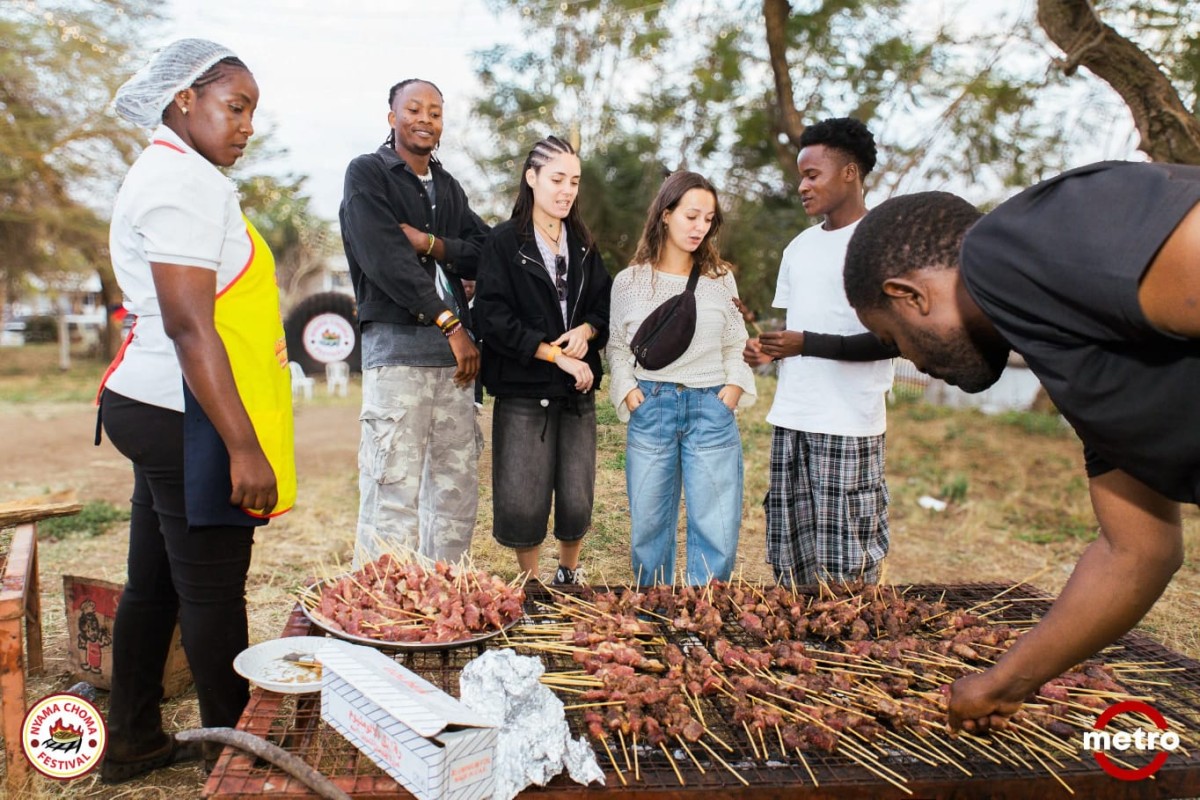
Younger generations reshaping meat consumption
In summary, older generations and low-income demographics still buy conventional meat out of traditional habits and necessity, but urban Millennials and Gen Z dictate the commercial growth of the meat market, blending a love for quick local meat dishes with an unprecedented openness to premium health-conscious.