
Ostrich Farming Thrives Down South, Why not Eastern region?
"Youth thriving in Ostrich meat production".

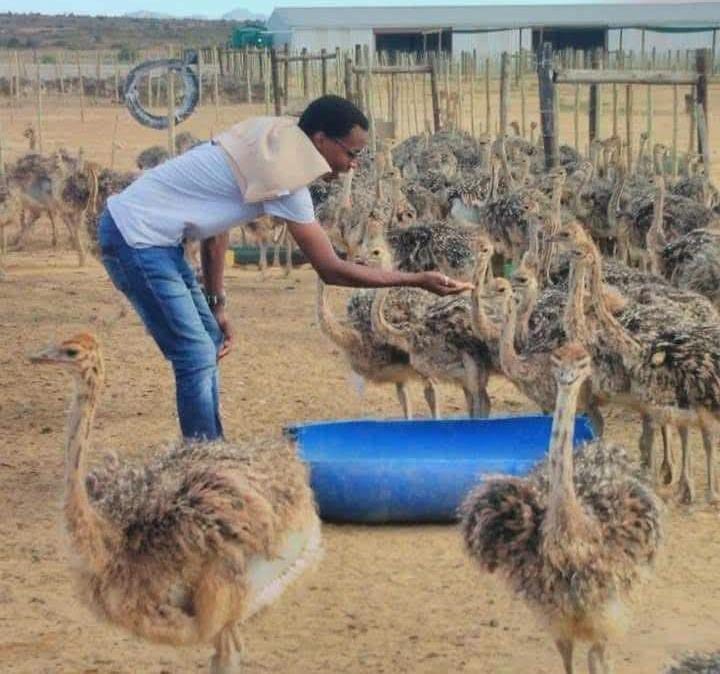
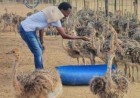
Kabelo Lekalakala founder of Pitso Ostrich Farm, located at Mamogalieskraal Brits, North West, South Africa supplies supermarkets & local butcheries with Ostrich Biltong & Meat in South Africa.

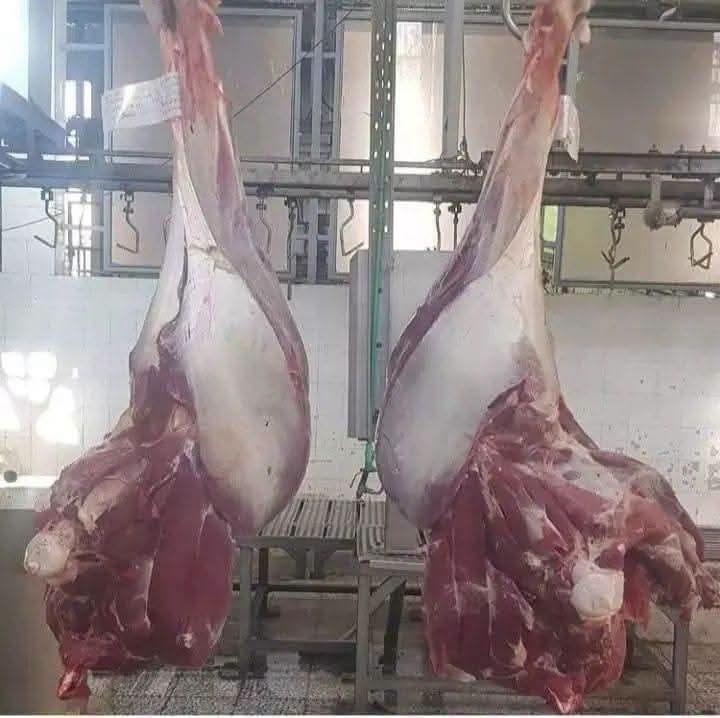
Ostrich meat
Why Ostrich Farming is not popular in Eastern Africa region
Ostrich farming is not popular due to strict wildlife regulations and a lack of local markets for ostrich products.
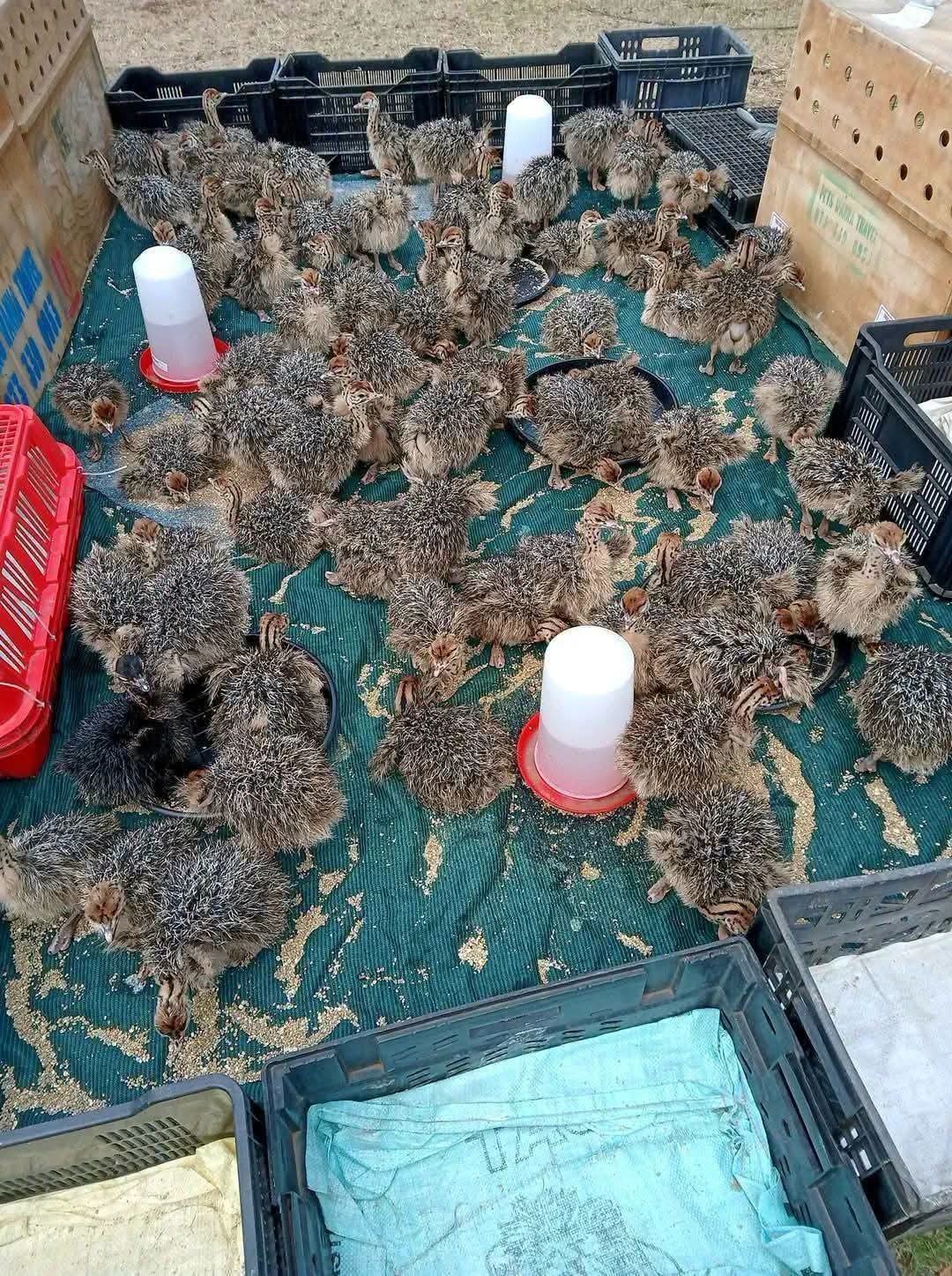
Ostrich chicks
Key Challenges for Farmers
Strict Licensing and Legal Hurdles
Governments in East Africa (such as Kenya) classify ostriches as part of the natural heritage to curb poaching. Getting commercial farming permits, ownership licenses from wildlife authorities like KWS, and transport documents is slow and bureaucratic.
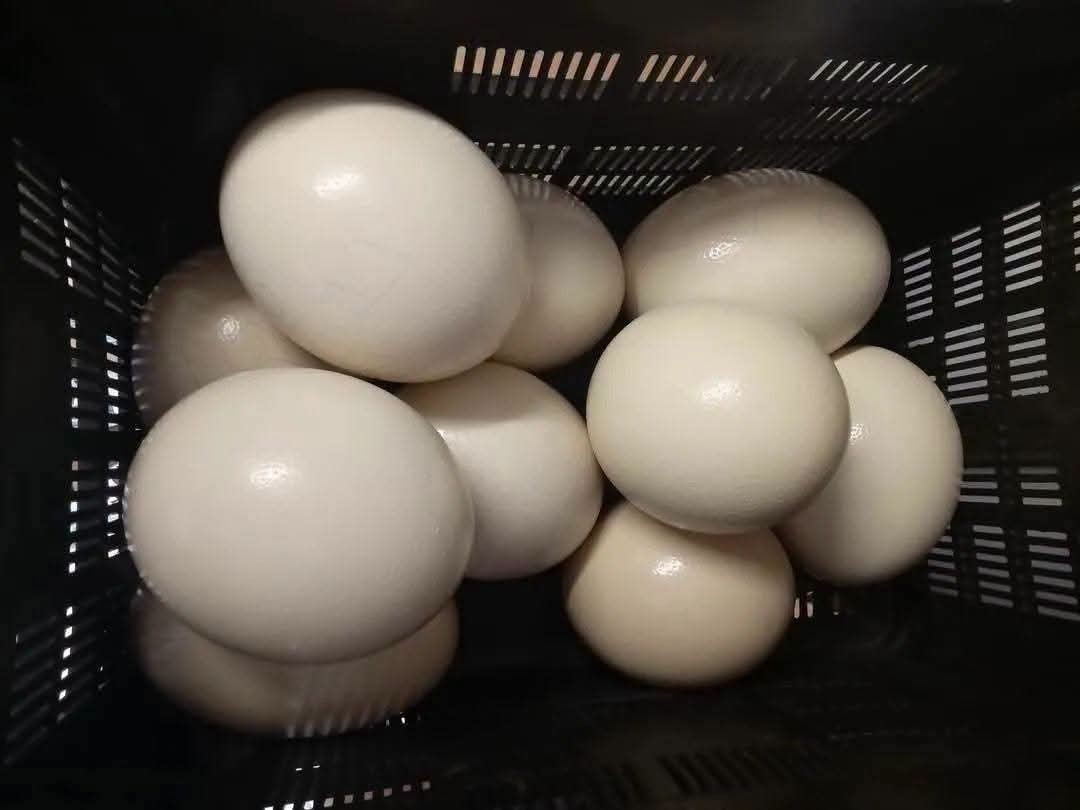
Ostrich eggs
High Capital and Setup Costs
Building specialized high fencing (at least 6 feet), secure housing, and providing constant clean water and specialized feed require high initial investment.
High Chick Mortality
Rearing young ostriches is delicate; chick mortality rates can reach up to 40%, and egg losses during incubation can run as high as 60%, making production risky for smallholders.
Limited Local Market and Supply Chains
Unlike beef, chicken, or goat, there is no major established domestic consumer market or processing supply chain for ostrich meat, leather, or feathers in the region.
Farmers often have to struggle to find independent buyers or transport birds long distances to certified processors.
Long Maturation Period
Ostriches take 3 to 4 years to reach full breeding age, meaning farmers must wait years before seeing a steady return on their investment.
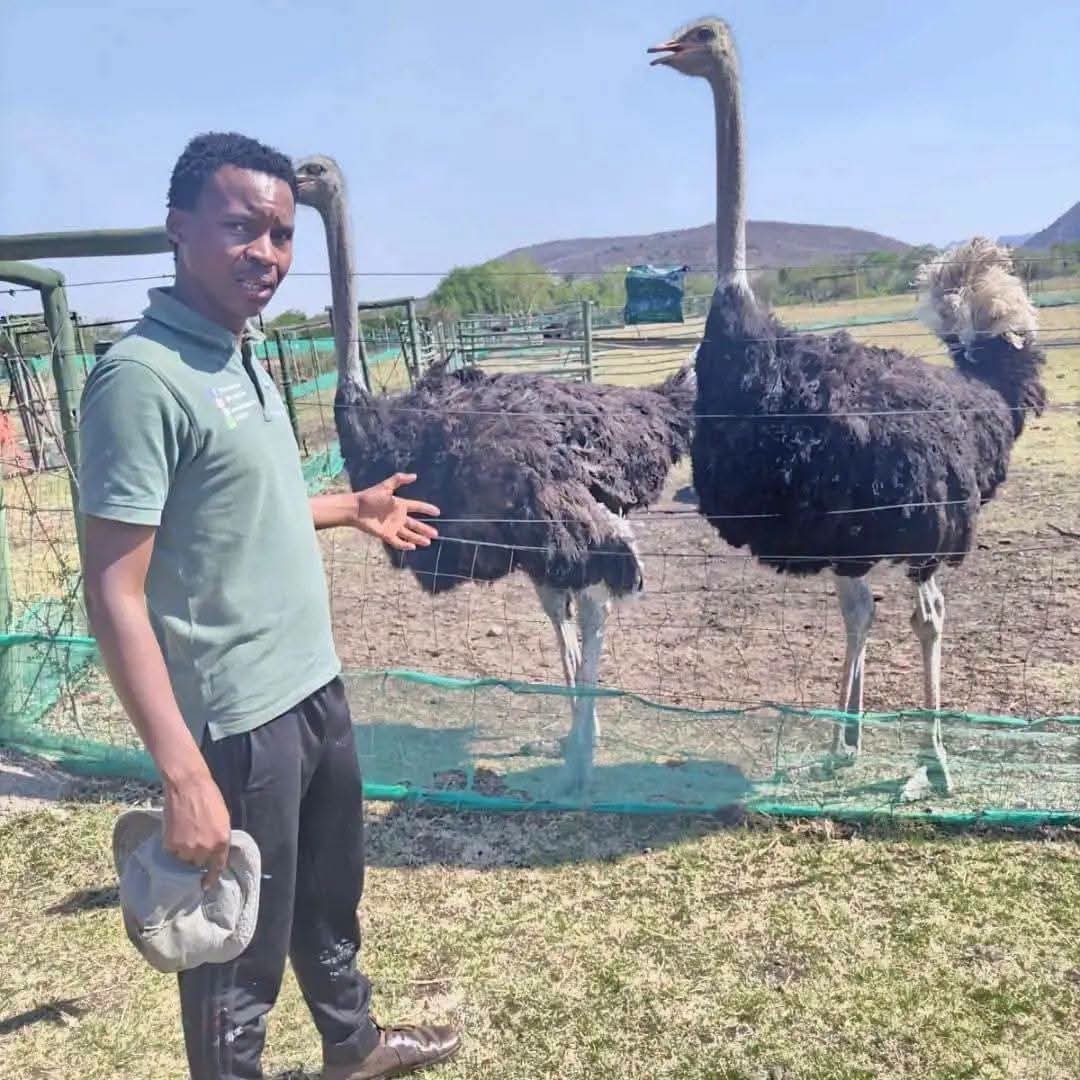
Kabelo shows off Ostrich bird ready for slaughter
History of Sector Collapse
Neighboring Zimbabwe, once one of Africa's largest ostrich producers, suffered a total industry collapse in the 1990s and early 2000s due to economic instability, land reform disruptions, and market volatility, creating a regional perception that ostrich farming is a high-risk, unviable investment. While Kenya has a small established industry centered around the Maasai Ostrich Farm, the largest in East Africa, it has not been able to overcome these systemic barriers to drive broader regional adoption.

Ostrich farm in South Africa.