

Shamba Pori: Yielding Results, Engineering Growth in Livestock Tourism
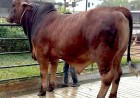
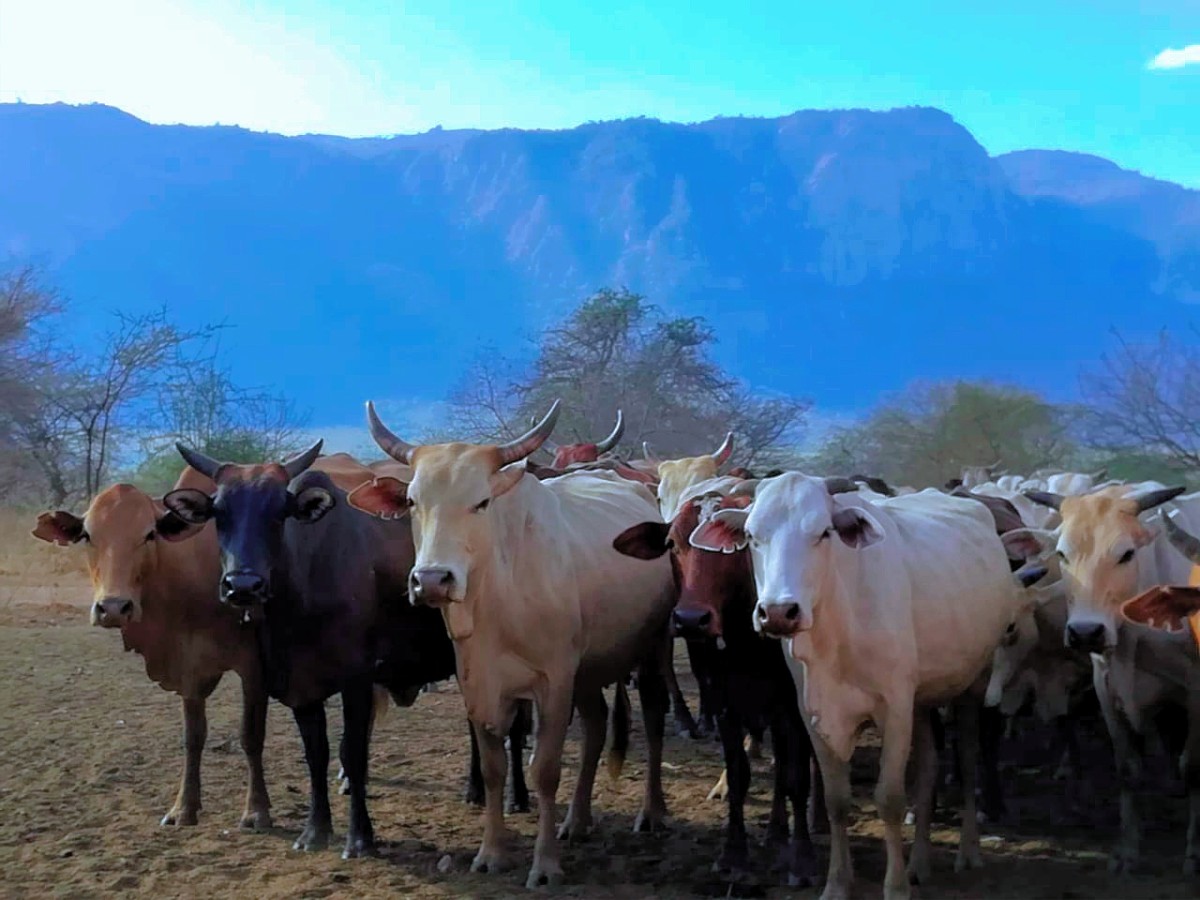
Shamba Pori, a Boer & Kalahari red breeding farm and cattle ranch continues to successfully balance livestock production with its unique agritourism hospitality profile in Magugu, Tanzania.

Recent internal review by Masaku H&L Livestock Enterprise Development Division reveals noticeable operational progress.
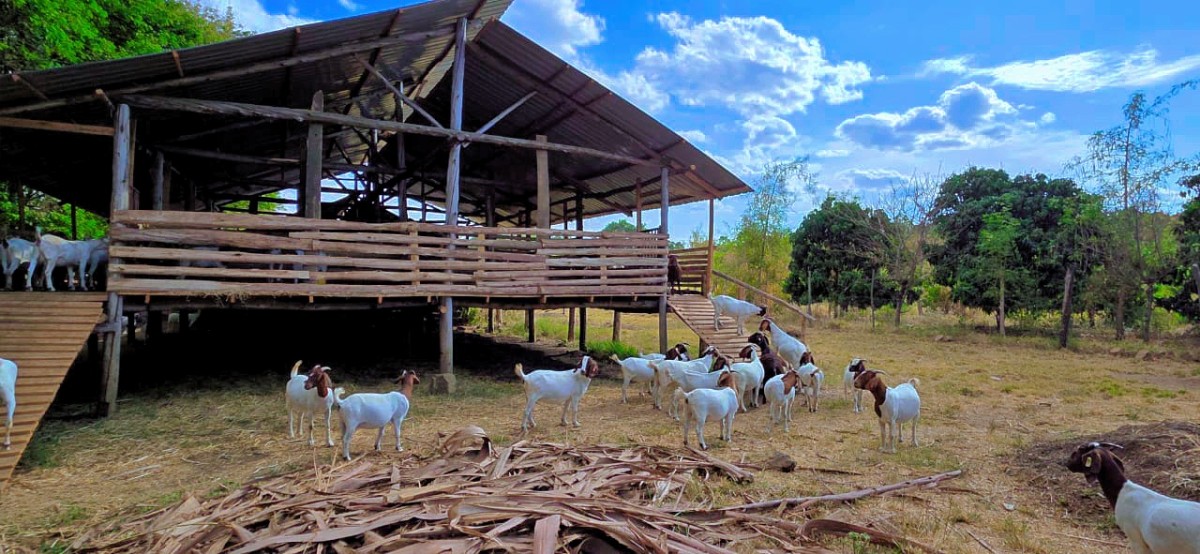
Improved housing
Animal housing structures and basic herd health indicators have visibly improved, directly enhancing the aesthetic and operational standards required for an agritourism venue.
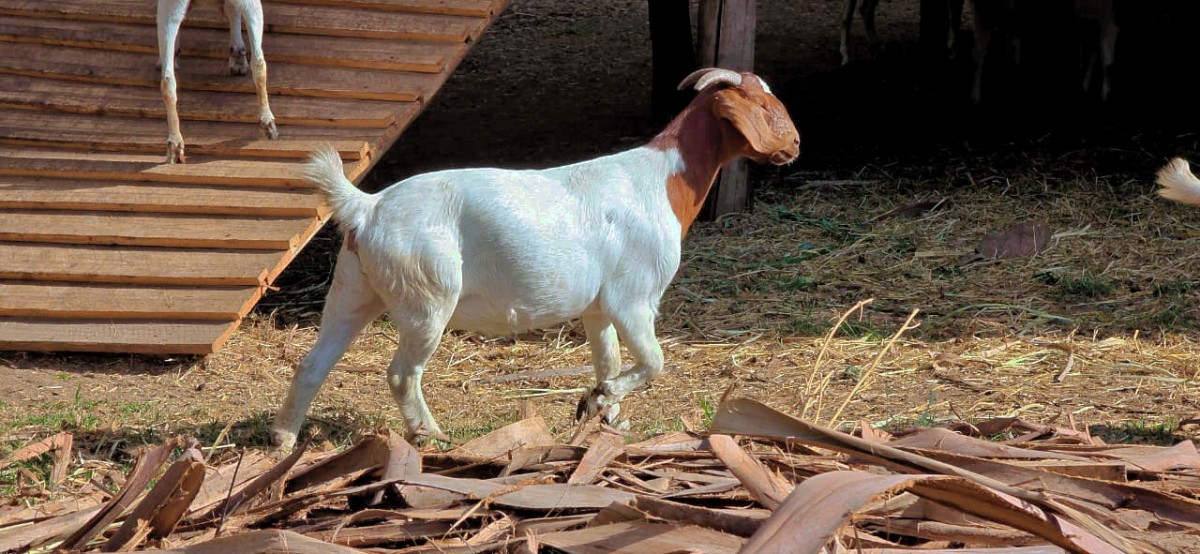
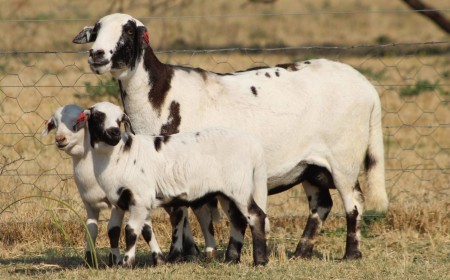
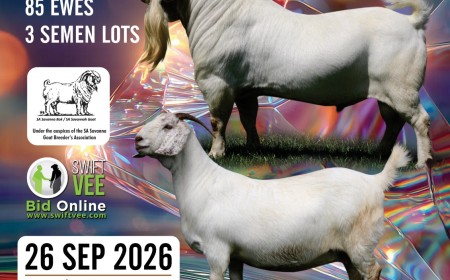
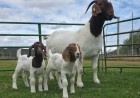
Boer goat genetics
However, severe parasite loads—specifically Tapeworms and Haemonchus contortus (Barber’s Pole Worm)—remain a critical barrier to peak livestock productivity.
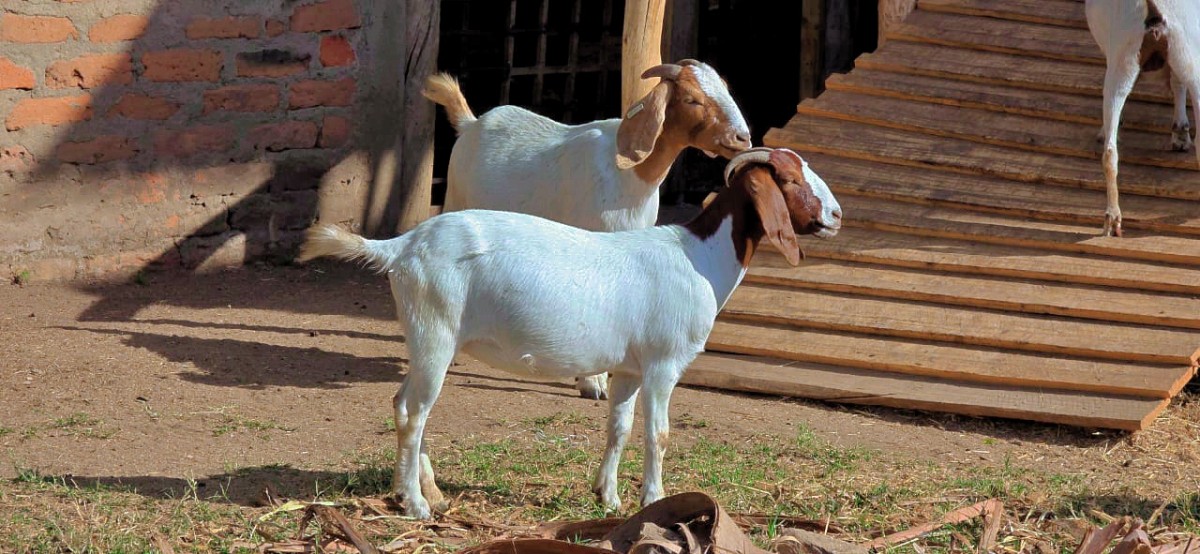
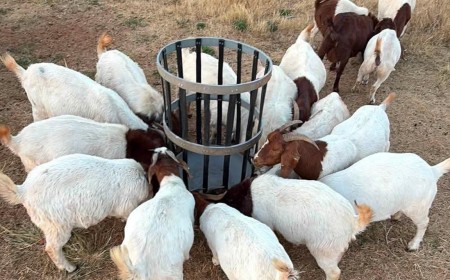
Boer does enjoying the sunshine
Moving forward, the farm's immediate priorities are divided between aggressive parasite eradication, biosecurity implementation and preparing for incoming rains to increase its a rich portfolio of high-protein forage crops and multi-purpose trees.
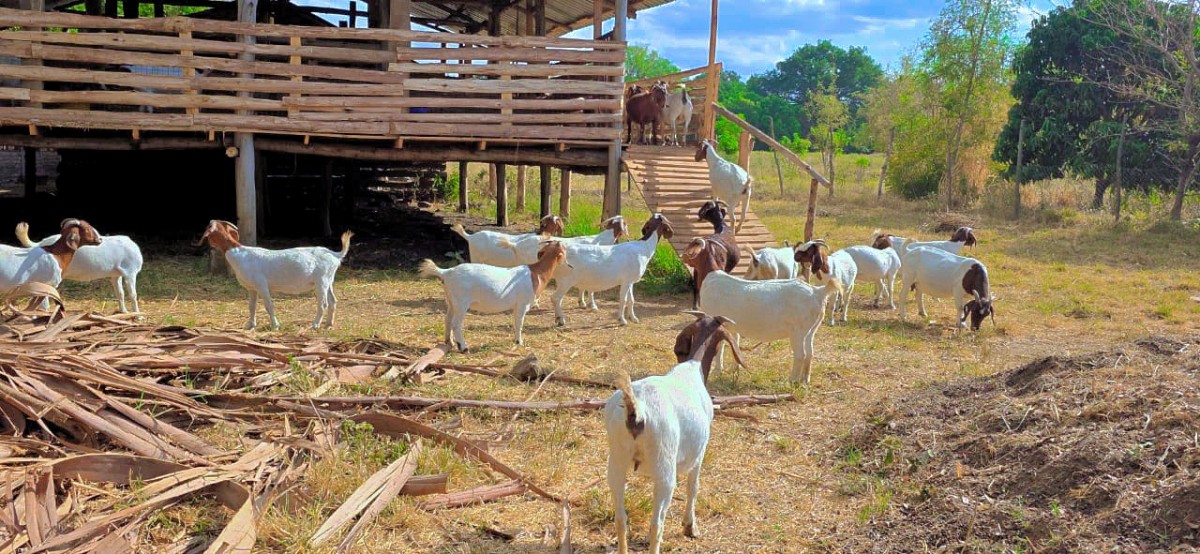
Creating a functional farm layout brings the ambience for tourism
Progress & Successes
Housing Improvements Modernized structures have minimized environmental stress on livestock, leading to safer animal handling and cleaner conditions and improved ventilation and dry flooring have provided a cleaner, more attractive backdrop for visiting agritourism guests.
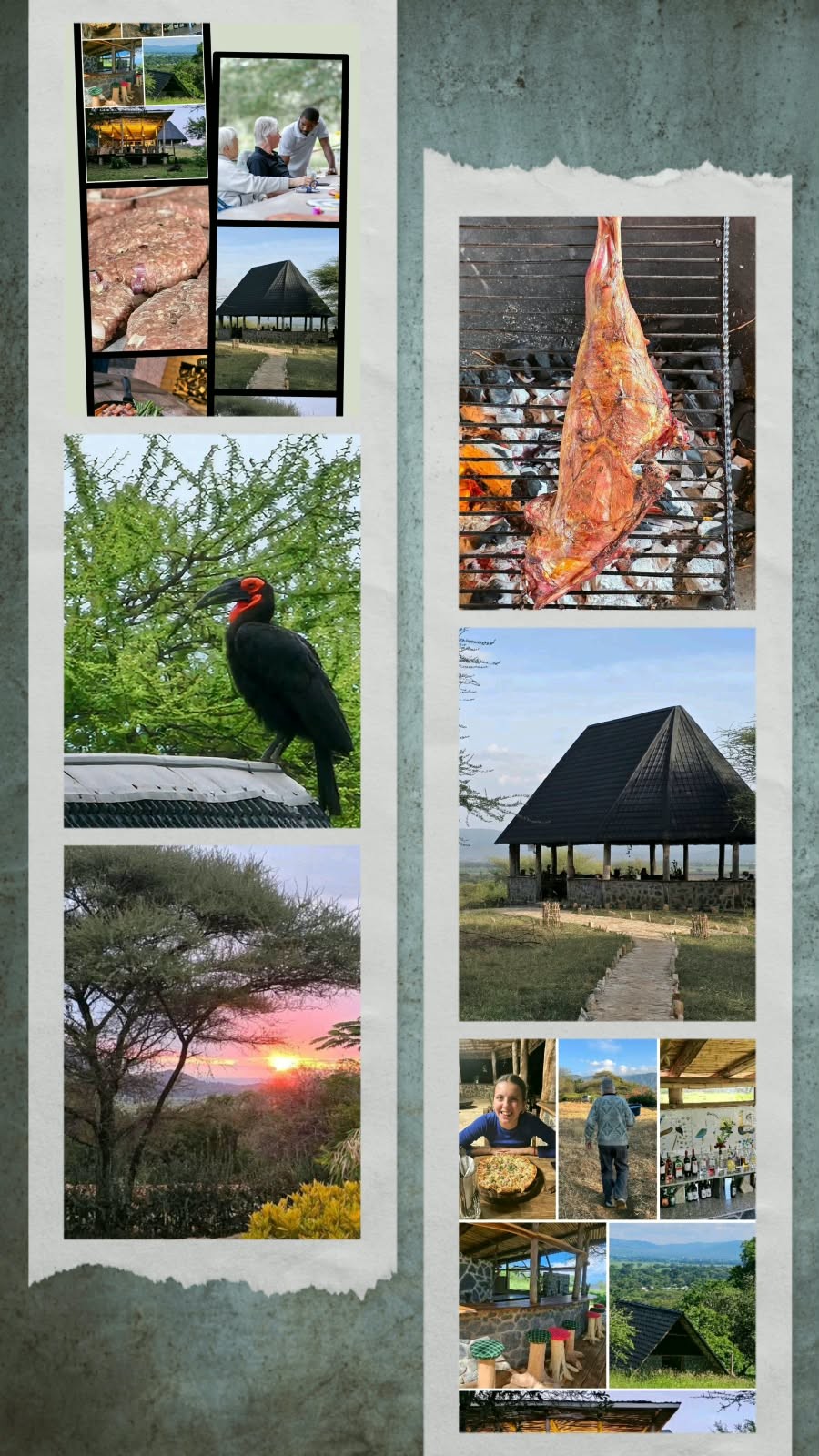
Shamba Pori Lodge
Animal Health Foundations. General herd husbandry has progressed, showing better tracking of basic conditions, reduced injury rates, and streamlined daily management.
Agritourism Integration Maintaining clean, professional, and odor-controlled animal housing directly impacts Shamba Pori’s hospitality appeal. It allows international and local eco-tourists to interact safely and comfortably with the farm's daily operations.
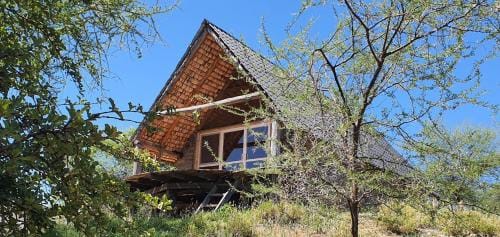
Excellent sightseeing facing Lake Manyara
Upcoming Agroforestry & Forage Strategy
The farm continues to expand a drought-resilient feed bank.
This diverse selection will dramatically improve animal nutrition while boosting the ecological beauty of the agritourism landscape.
Pigeon Peas High-protein crop choices that fix nitrogen into the soil and establish a resilient forage supply.
Lupines & Sesbania Rapidly building soil organic matter and providing a sustainable cutting forage option.
Moringa, Mulberry, & Calliandra Trees Establishing high-nutrient leaf meal banks. Moringa and Calliandra foliage naturally contain condensed tannins, which have been shown to actively lower internal parasite egg counts in grazing livestock.
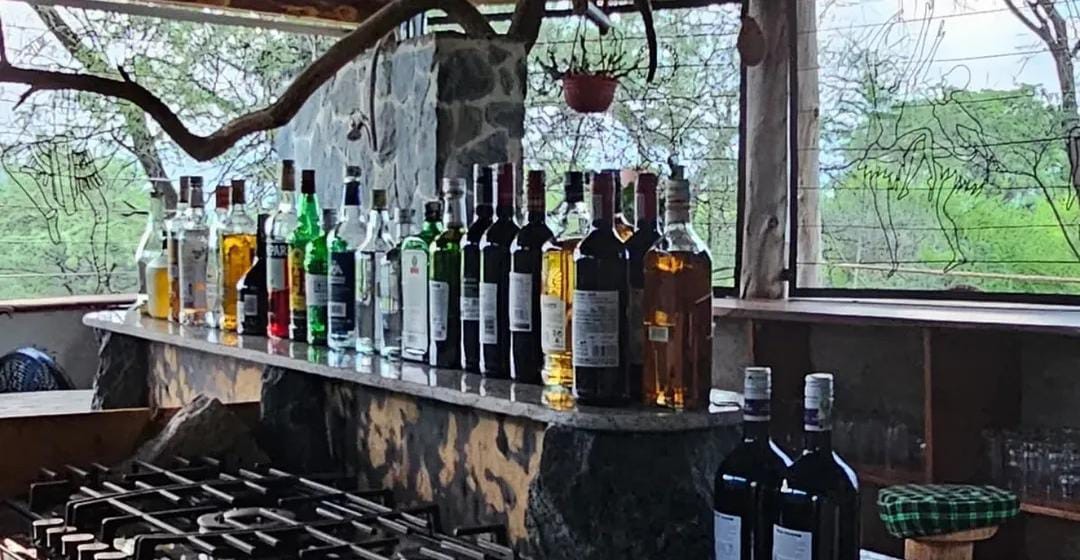
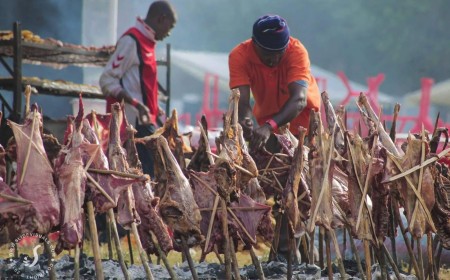
Enough porridge that settles nyama choma in the bush
Critical Challenges & Action Plan
Parasite Control
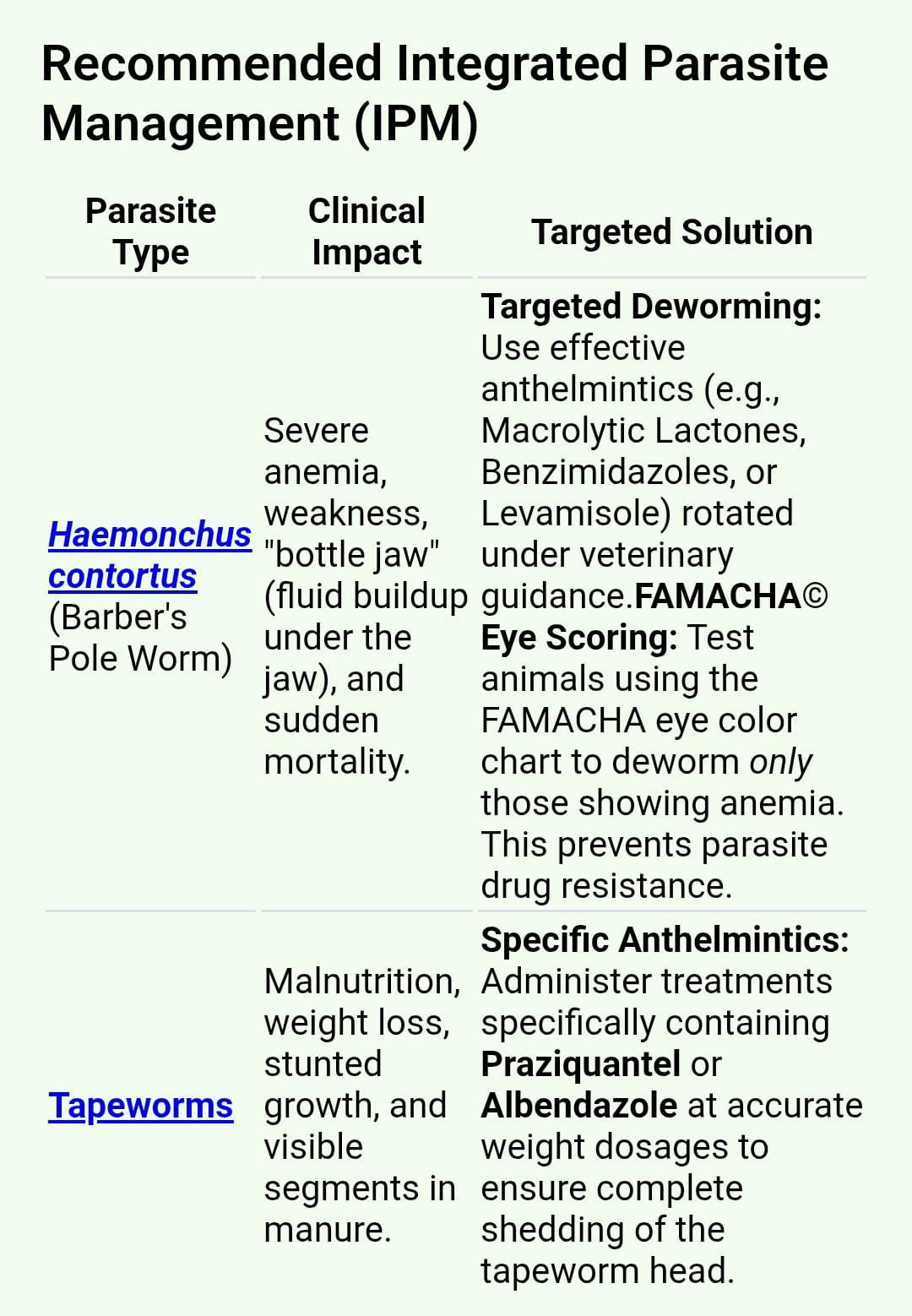
Despite health improvements, Haemonchus contortus (Barber's Pole Worm) and Tapeworms remain critical threats.
Because Haemonchus sucks blood, it causes severe anemia, bottle jaw, and sudden death, while tapeworms compete for critical nutrients.
To eliminate guesswork and protect the herd, jointly with Magugu veterinary officers, we are implementing a multi-pronged Integrated Pest Management (IPM) protocol.
Grazing & Pasture Biosecurity
Deploy rotational grazing moving animals off pastures before grass is eaten below 5–10 cm (where worm larvae heavily concentrate).
Keep animals off contaminated pastures for at least 60 days to allow larvae to die out.
Keep Animals Off Wet Pasture Avoid grazing early in the morning when dew is heavy on the grass, as larvae use moisture to climb up the stalks
Initiate FAMACHA screening immediately across the herd to isolate and treat individual animals suffering from Haemonchus anemia.
Conduct a Fecal Egg Count (FEC) Test before the rains begin, collect a few random dung samples to verify exactly which dewormer classes are still working effectively at the farm.
Incorporate health milestones into the agritourism experience, showcasing Shamba Pori's commitment to sustainable, transparent, and eco-friendly farming practices to visiting guests.
Update Guest Signage Create simple, attractive educational plaques near the improved housing and upcoming agroforestry plots to enrich the educational experience for Shamba Pori visitors.
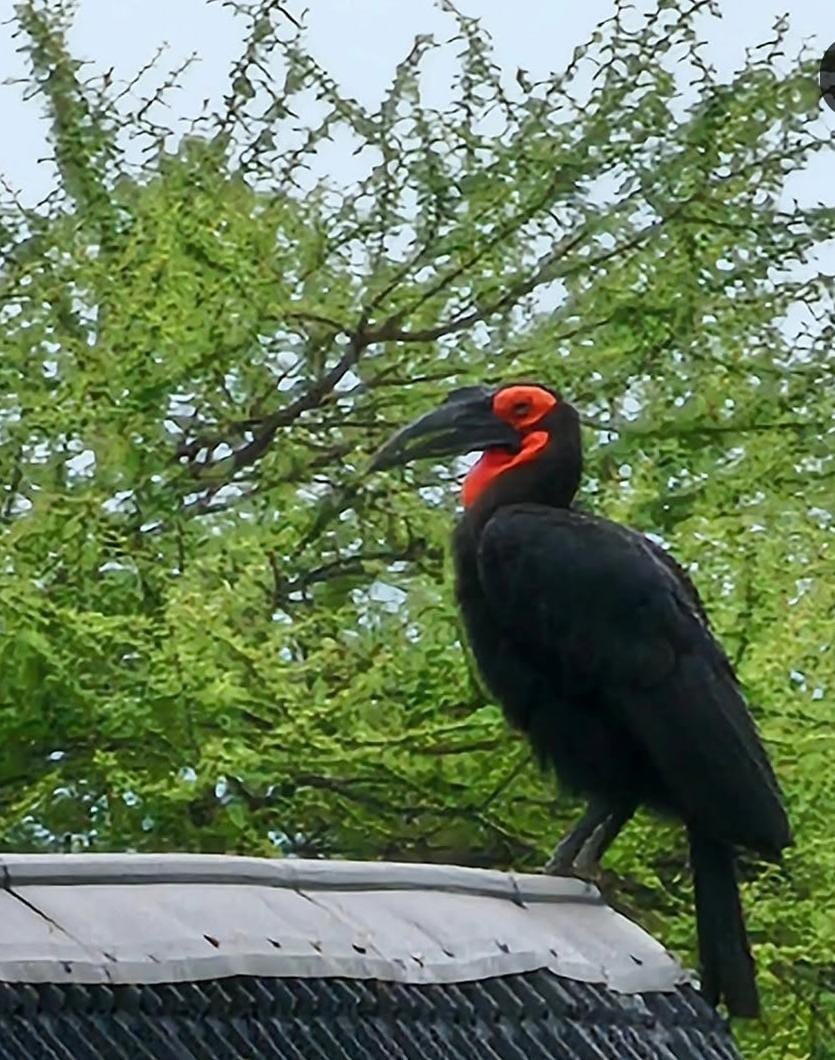
A destination for bird viewing, home to avian species.
Create a goats parade site, animal runways and kids play ground with play artifacts for the animals to interact with visitors.
A ground farm layout at a livestock tourism (agritourism) farm is vital because it balances commercial animal production with visitor safety, comfort, and visual appeal. It involves arranging pastures, gardens, and transparent viewing pens turns routine farm work into an engaging, clean, and photogenic experience that enhances visitor satisfaction and revenue.
Livestock Tourism Biosecurity Protocols
For an agritourism operation like Shamba Pori, biosecurity is a balancing act. Farmers must protect their livestock from pathogens brought in by global travelers, while ensuring your guests enjoy a welcoming, hands-on experience without feeling like they are entering a sterile laboratory.
Implementing a clear Line of Separation (LOS) between guest areas and production zones will simultaneously protect livestock from external diseases and help manage the farm's ongoing Haemonchus and tapeworm challenges. (A detailed Biosecurity implementation plan available on request.)
This Technical Site Visit Report has been compiled by Masaku H& L Livestock Enterprise Development Division. Book your interactive technical site visit. henry.kioko@gmail.com